The conventional objection to ice cream on a sailing boat is the objection to the machine: the churning mechanism that the ice cream maker uses to break the ice crystals as they form and that the offshore galley does not have space or power budget for.
The objection is correct as stated and wrong in its conclusion. The machine breaks the ice crystals as they form. The technique that does not use the machine breaks the ice crystals differently: by incorporating the fat in a form and at a ratio that the crystal formation cannot dominate because the fat content is high enough to prevent the large crystal structure that produces the grainy texture that the machine-less ice cream is assumed to produce. The coconut milk is forty percent fat. The technique works.
The Preparation
Two tins of full-fat coconut milk, refrigerated overnight in the coolest part of the fridge so that the cream separates to the top and the watery liquid sinks to the bottom. The cream from the top of the two tins, approximately half the tin’s volume goes into the bowl with the palm sugar from the Indonesian stores, the vanilla from the Polynesian provisioning, and the mango puree made from the two mangoes that the morning market in the last port had at the specific moment of ripeness that the mango requires: the fragrance of the very ripe mango is the best indicator of the ripeness that the taste will confirm, and the street vendor who has been selling mangoes since before the tourist market inflated the price knows which ones are ready.
The mixture whisked until the sugar is dissolved and the mango is evenly distributed. Into the flat container, into the freezer. Every forty-five minutes for three hours, the container comes out and the mixture is stirred vigorously with the fork to break the forming crystals. Three times. Done.
The Serving and the Taste
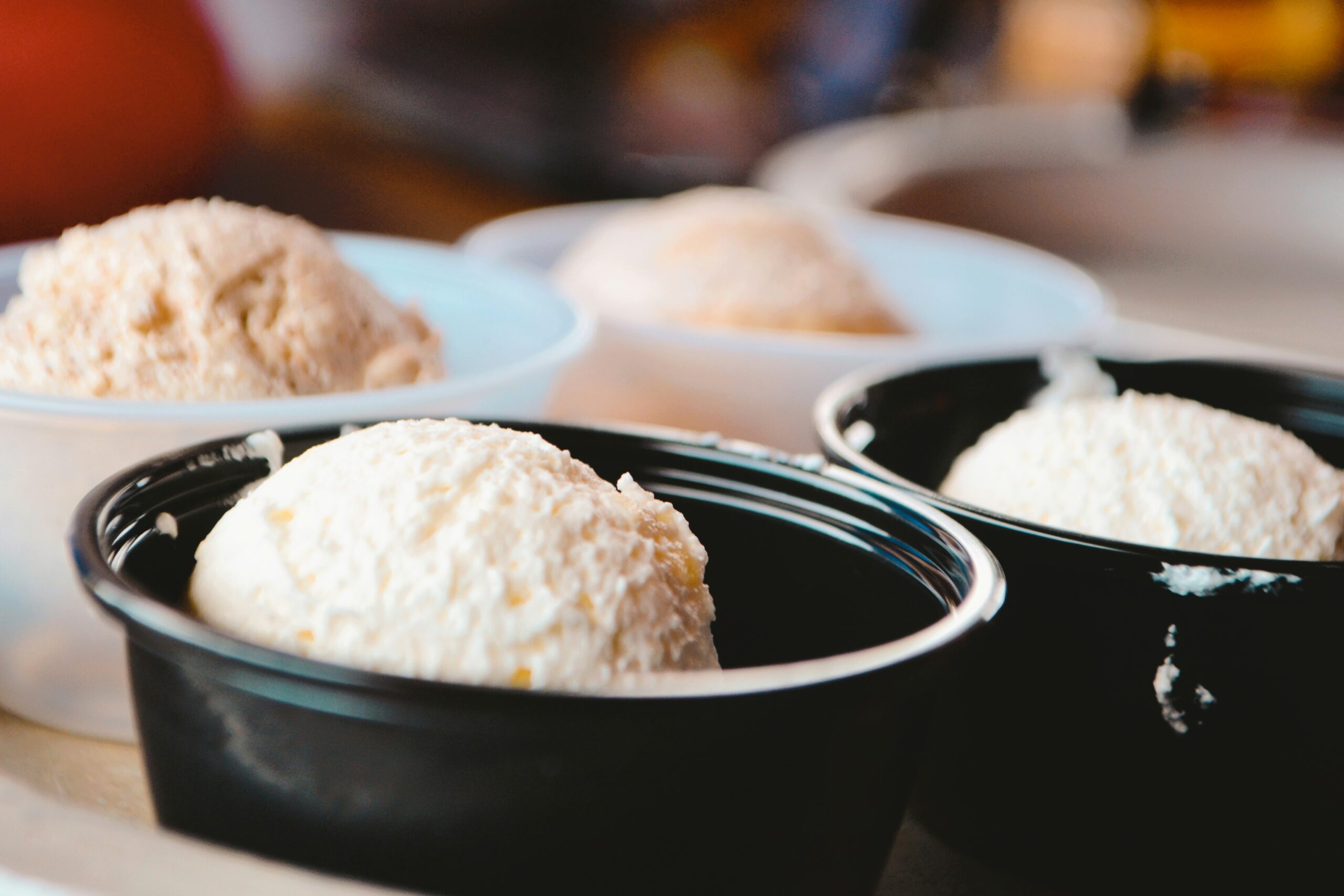
The ice cream comes out of the freezer fifteen minutes before serving, the freezer on a boat runs colder than the household freezer and the fifteen minutes allow the texture to soften to the scoopable consistency. It is served in the coconut shells that the morning’s provisioning or the palm above the anchorage provided: the coconut shell as the serving vessel is the presentation that requires no crockery, produces no washing up, and is the correct container for the ingredient it carries in the way that the earthenware bowl is the correct container for the tagine and the cast iron is the correct pan for the steak.
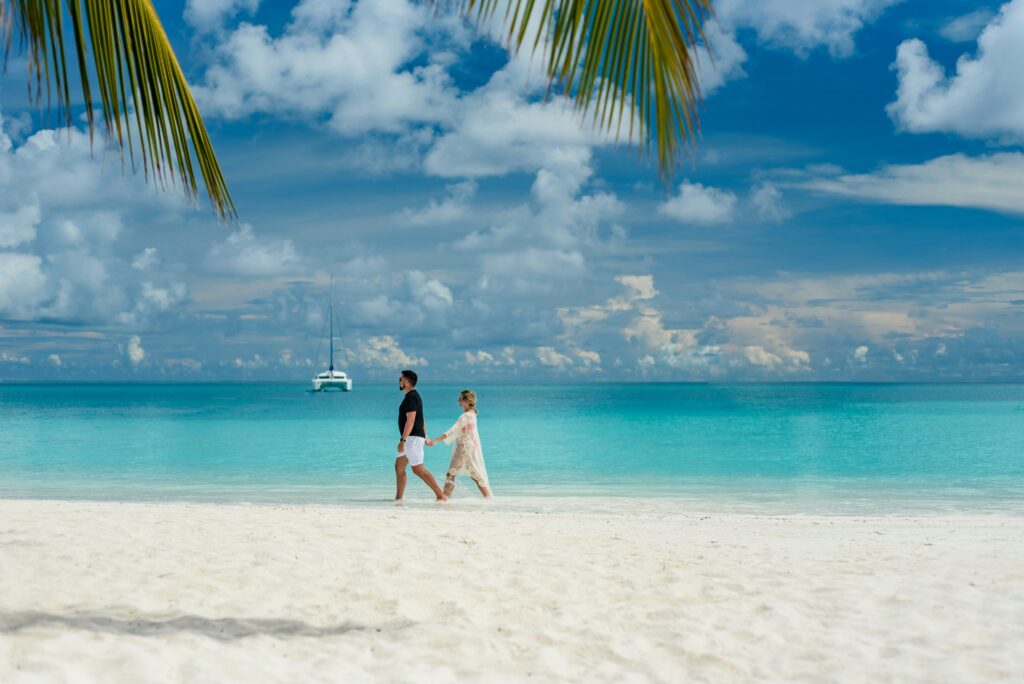
The taste is the taste of the Polynesian Pacific: the coconut fat that the high percentage produces as the creaminess that the machine-made ice cream achieves through churning, the mango that the Polynesian sun has concentrated into the sweetness that no greenhouse-grown mango approximates, the palm sugar’s specific depth at the finish. Served at anchor in the Tuamotu, in the afternoon, in the heat that makes the cold of the ice cream the most welcome sensation available. The Long Table that afternoon is not a table but a group of twelve adults rediscovering the specific joy of the ice cream in the heat.