The Cape of Good Hope is the point where the Atlantic and the Indian Ocean meet, or rather, where the convention of the oceanographers places the boundary between two oceans that are in reality the same body of water moving in the same circulation pattern around the Antarctic continent. The boundary is invisible from the boat.
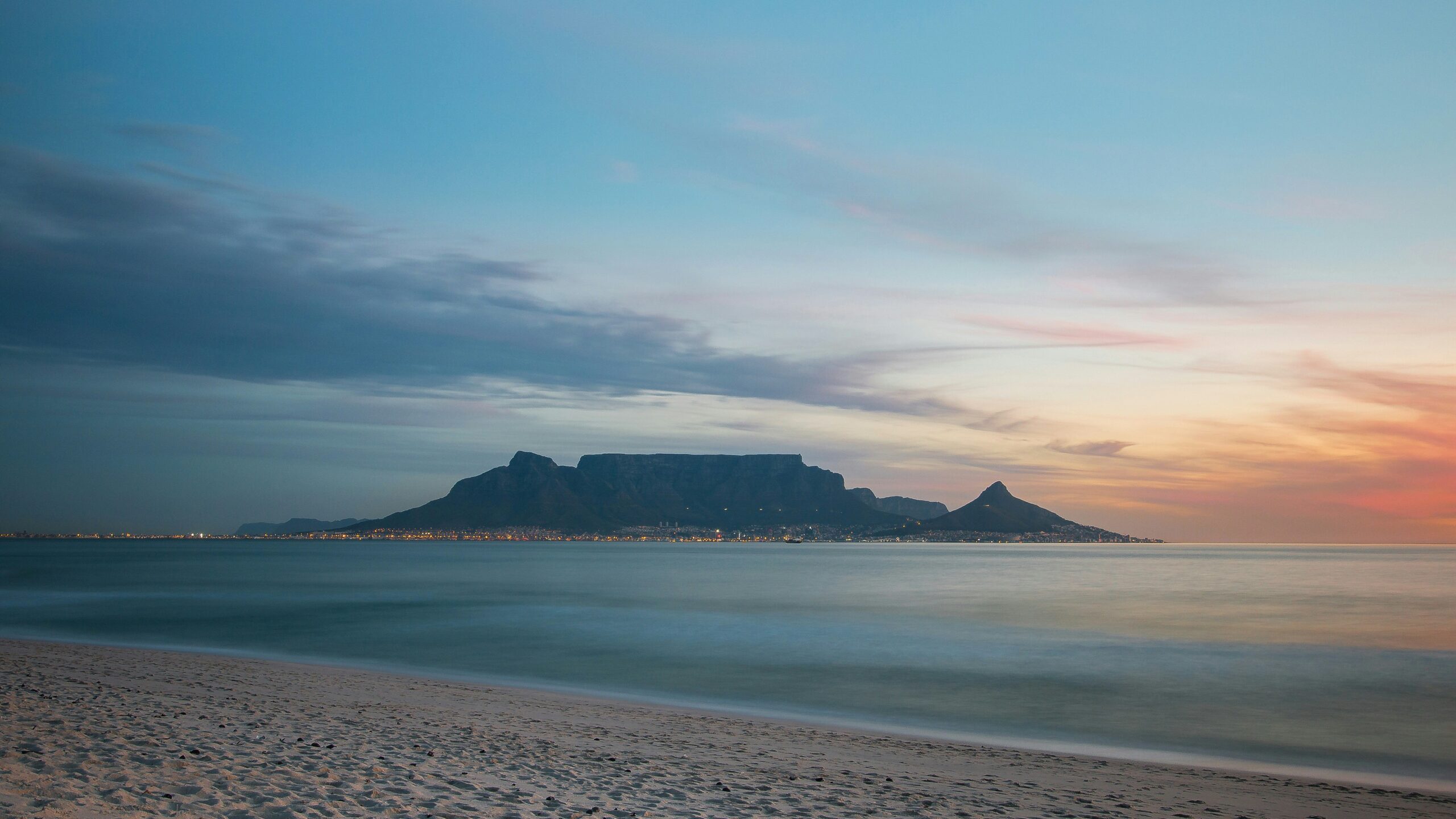
What is not invisible is the Table Mountain: the flat-topped sandstone massif that rises 1,086 metres above the Cape Town waterfront and that the offshore sailor approaching from the south sees from sixty miles at sea on a clear day, the same landmark that every ship on the Europe-to-Asia trade route has been identifying since the Portuguese explorer Bartolomeu Dias rounded the cape in 1488 and understood that the Indian Ocean was on the other side.
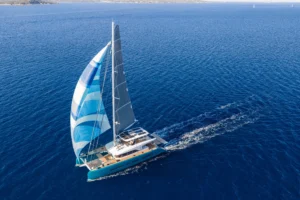
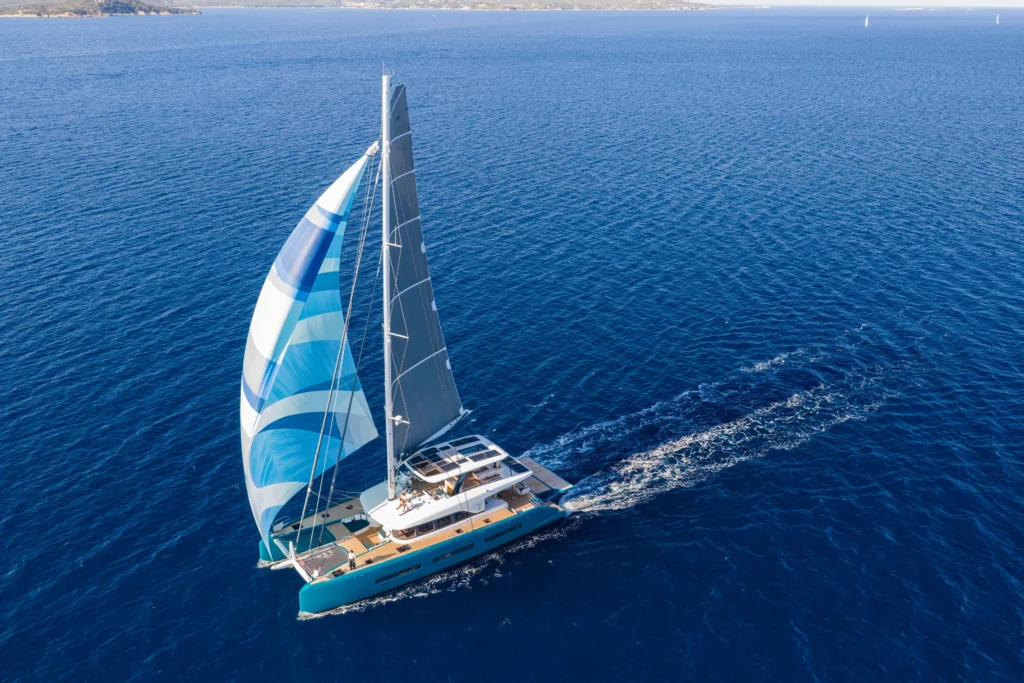
The Naora circumnavigation comes to Cape Town from the Atlantic, the southern approach that the westerly winds of the roaring forties assist and that the Agulhas Current, running southwest along the African coast, makes the passage to Table Bay the passage of the favourable tide rather than the tide against. The Eighty2 anchors in the Royal Cape Yacht Club marina or the anchorage in the inner harbour depending on the conditions, and the twelve members who board here arrive at the offshore sailing programme’s southernmost point, the latitude of 33 degrees south, the bottom of the African continent, the place where two oceans meet under the flat-topped mountain.
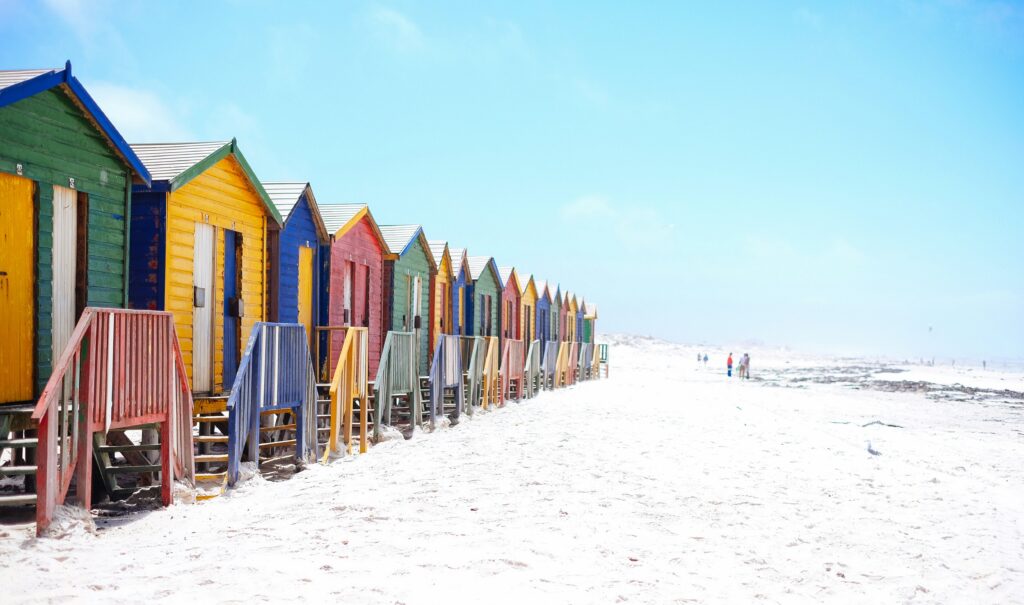
What Cape Town Provides
Cape Town is the city that the offshore sailing community consistently rates among the finest provisioning and departure points on the global circumnavigation route, the combination of the excellent marina infrastructure, the superb local food and wine culture, the specific beauty of the mountain and the bay setting, and the geographic position as the transition point between the Atlantic and the Indian Ocean that makes every departure from Cape Town the departure into a different world from the one the arrival was in.
The Western Cape wines, the Stellenbosch Cabernet, the Franschhoek Chardonnay, the Hemel-en-Aarde Pinot Noir, provisioned from the cellars two hours from the marina. The Cape Malay cuisine of the Bo-Kaap quarter. The fresh produce of the Boulders Beach penguin colony visit overland, the Cape Point nature reserve at the tip of the peninsula, the Constantia valley wine estates.
The departure from Cape Town is the departure into the Atlantic Ocean again. The Table Mountain shrinks astern. The Agulhas Current takes the boat northwest along the African coast.