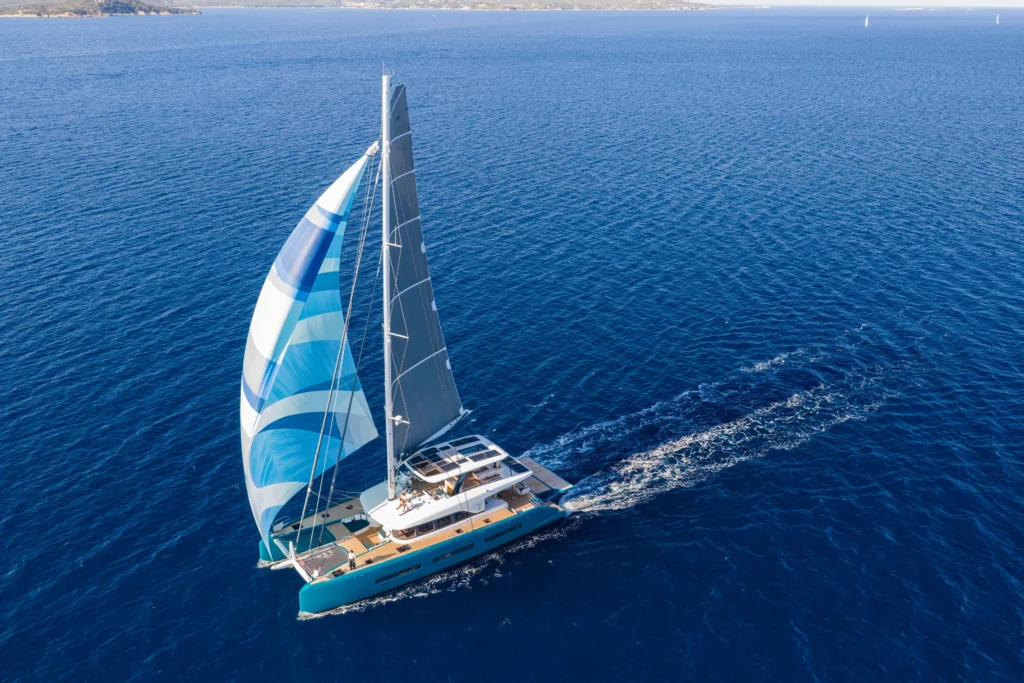
The ocean makes its own light. Not metaphorically: the specific blue-green light that the Eighty2’s wake produces on the night passages in the Pacific and the Indian Ocean and the warm sections of the Atlantic is produced by the living organisms in the water, and the light is the most direct expression of the fact that the ocean is not the backdrop to the living world but the medium it lives in, producing every spectacle the land produces, including light, from the biology that the ocean contains rather than from the sun that the land requires for it.
The bioluminescent plankton of the offshore passages is primarily the dinoflagellates: the single-celled marine organisms that occupy the intersection between plant and animal that the protist category describes, photosynthesising in the daylight and producing light in the dark as the specific response to mechanical disturbance that the bioluminescent species in the Noctiluca and the Pyrocystis genera produce.
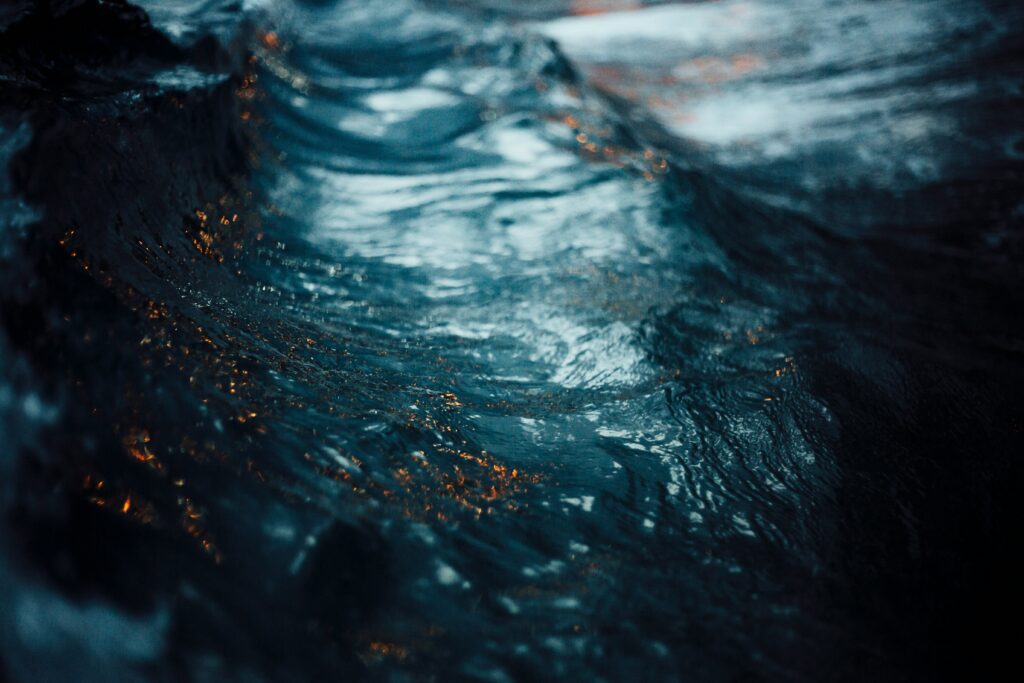
The mechanism is the luciferin-luciferase reaction: the light-producing chemical luciferin oxidised by the enzyme luciferase in the reaction that generates the photon emission without the heat that combustion produces. The cold light. The light that the biochemistry of the single-celled organism produces in the water at three in the morning on the Naora night watch when the boat moves through the bloom and the wake is blue-green fire from the hull to the horizon.
Why the Light Exists
The bioluminescence of the dinoflagellate is the burglar alarm hypothesis in action: the mechanical disturbance of the dinoflagellate’s membrane triggers the light production that illuminates the predator that disturbed it, attracting the predators of that predator to the location of the disturbance.
The copepod that disturbs the dinoflagellate bloom is illuminated by the light the disturbance produces, and the fish that feeds on the copepod is attracted to the light. The bioluminescence is the dinoflagellate’s defence against being eaten, not by directly harming the predator but by making the predator visible to something larger. The blue fire in the Eighty2’s wake is the alarm that thirty million years of dinoflagellate evolution developed in the darkness of the ocean and that the boat’s hull triggers at scale in the passage through the bloom.
The Naora night watch member who trails their hand over the stern rail in the dark and watches the light appear in the water around their fingers is in direct contact with the bioluminescent mechanism that the ocean has been operating for thirty million years.
The light disappears when the hand is still. It reappears when the hand moves. The hand in the dark ocean is the disturbance that the dinoflagellate’s alarm evolved to make visible. The light that the hand produces is thirty million years of the ocean’s chemistry, available from the stern rail of a boat on the night watch in the Pacific, accessible to the person who turns off the torch and puts their hand in the water.