The Ambon market is the provisioning morning that the Banda Sea chapter of the Naora voyage produces when the route passes through the capital of the Maluku islands: the city that was the headquarters of the Dutch East India Company’s spice monopoly and that still has, in the morning market behind the waterfront, the specific concentration of the fresh aromatics that the VOC was prepared to go to war over. The kurkuma roots the size of a thumb, still carrying the soil of the garden that grew them.
The galangal that the Indonesian kitchen calls laos and that the European kitchen has been approximating with ground powder since the spice trade dried it for the ocean crossing to Amsterdam. The citroengras that fills the market stall with the fragrance that is the Banda Sea’s specific contribution to the world’s aromatics vocabulary. The fresh kaffir lime leaves. The candlenuts that the Indonesian spice paste requires to carry the fat that binds the aromatics together.
The Paste and the Preparation
The spice paste is the foundation of the Indonesian curry and it is the element that makes the Ambon market’s fresh aromatics irreplaceable: the paste ground from the fresh ingredients produces a different dish from the paste made from the dried and powdered versions of the same ingredients, in the same way that the fresh garlic produces a different dish from the garlic powder and the fresh ginger produces a different dish from the ground ginger.
The difference is the volatile oils: the aroma compounds that the fresh ingredient carries and that the drying process reduces and that the grinding produces in full concentration when the ingredient is fresh. The Naora mortar is the heavy granite mortar from the French chandlery in Antibes, and it travels with the boat because no food processor replicates what the granite mortar does to the wet fresh aromatics: the grinding releases the oils rather than chopping them, and the oils released by grinding smell and taste differently from the oils chopped in the food processor blade.
The paste goes into the pot in the coconut oil. Two minutes of frying on medium heat until the raw edge of the aromatics becomes the cooked depth that the oil carries into the liquid. The coconut milk from the tin, four tins for twelve people, goes in with the fresh reef fish that the morning dive produced. Twenty minutes at a gentle simmer. The kaffir lime leaves torn from the stem.
The fish sauce from the Bali provisioning. The palm sugar from the Ambon market in the specific quantity that balances the heat and the acid and the sweet into the specific harmony that the Balinese call savor and that no measurement fully describes.
The Aroma and the Taste
The curry fills the boat. Not as hyperbole: the aroma of the turmeric and the galangal and the citroengras frying in the coconut oil moves through every compartment of the Eighty2 in the fifteen minutes of the cooking and arrives at the afterdeck twenty minutes before the dish does, producing the specific anticipation that the offshore galley creates in the people who are waiting for it: the announcement of the meal in the form of the smell of what is being made, which the offshore context amplifies because the boat is small and the wind is from the right direction and there is nowhere on the boat that the aroma of the Banda Sea curry does not eventually reach.
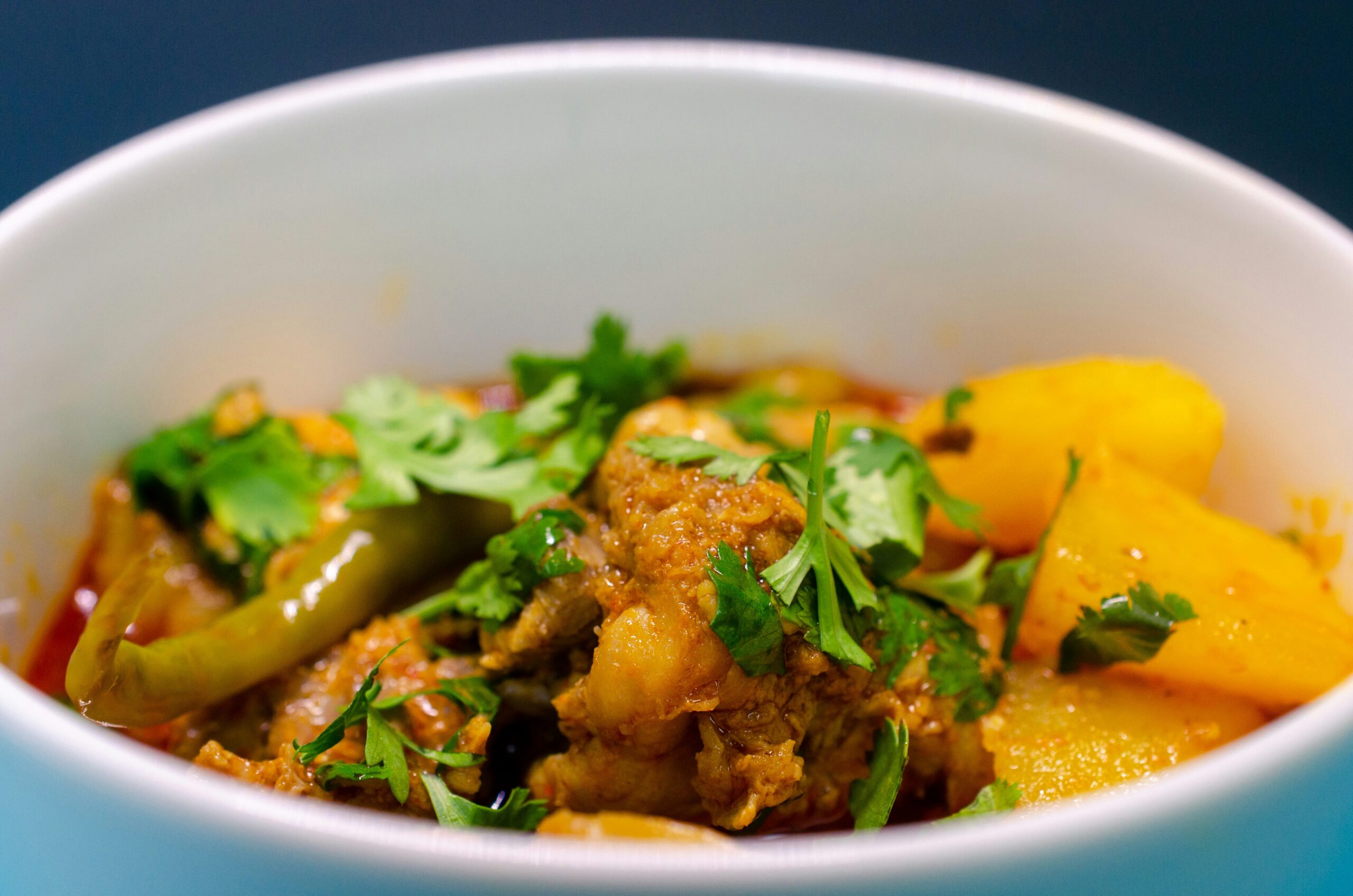
The taste is the taste of the Maluku Islands in the bowl: the depth of the fried spice paste, the sweetness of the coconut milk, the clean protein of the reef fish that the twenty minutes of the gentle simmer has cooked through without breaking, the heat that the candlenut distributes through the sauce, the brightness of the kaffir lime leaf, the specific resonance of the palm sugar at the finish that is not the sweetness of the white sugar but the specific caramel depth that the palm sugar carries from the palm sap it was made from. The Long Table that evening is very quiet in the specific way that the very good meal produces at the Naora table: the silence of the people who are eating something that deserves the attention.