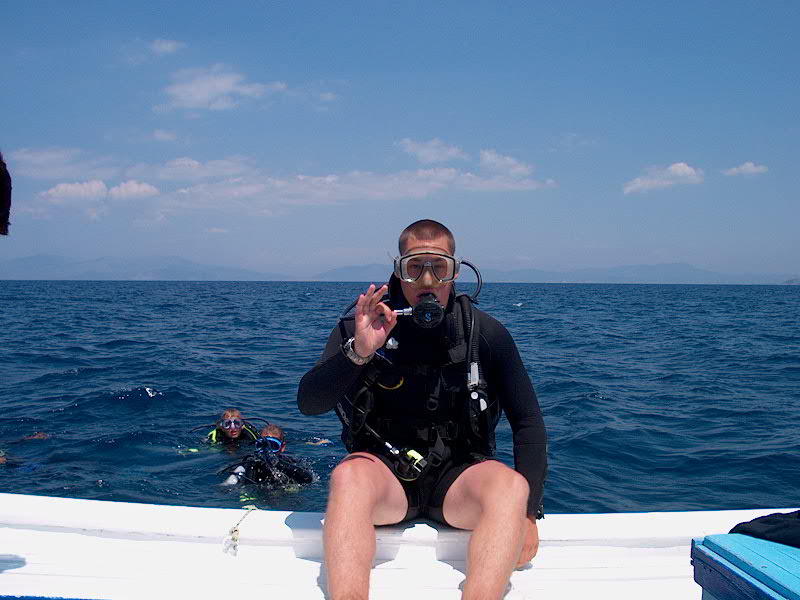
Numbers rarely tell the full story on their own, but 2,800 logged dives across decades of diving offers a useful starting point for understanding how deeply underwater exploration has shaped Naora’s circumnavigation. This is not a casual hobby mentioned for color in a founder biography. It represents a genuine, sustained relationship with the ocean that directly informed how the route, the destinations, and even the vessel itself came together.
Few founding teams within the yachting industry can point to this depth of personal underwater experience guiding their route decisions. We consider it one of the more distinctive aspects of how Naora’s circumnavigation was actually built, even though it rarely appears prominently in conventional marketing materials about the journey.
We wanted to walk through exactly how this considerable depth of diving experience translated into practical decisions behind our circumnavigation route, since the connection runs considerably deeper than simply choosing pretty reefs to visit along the way.
A Personal Map Built Across Decades
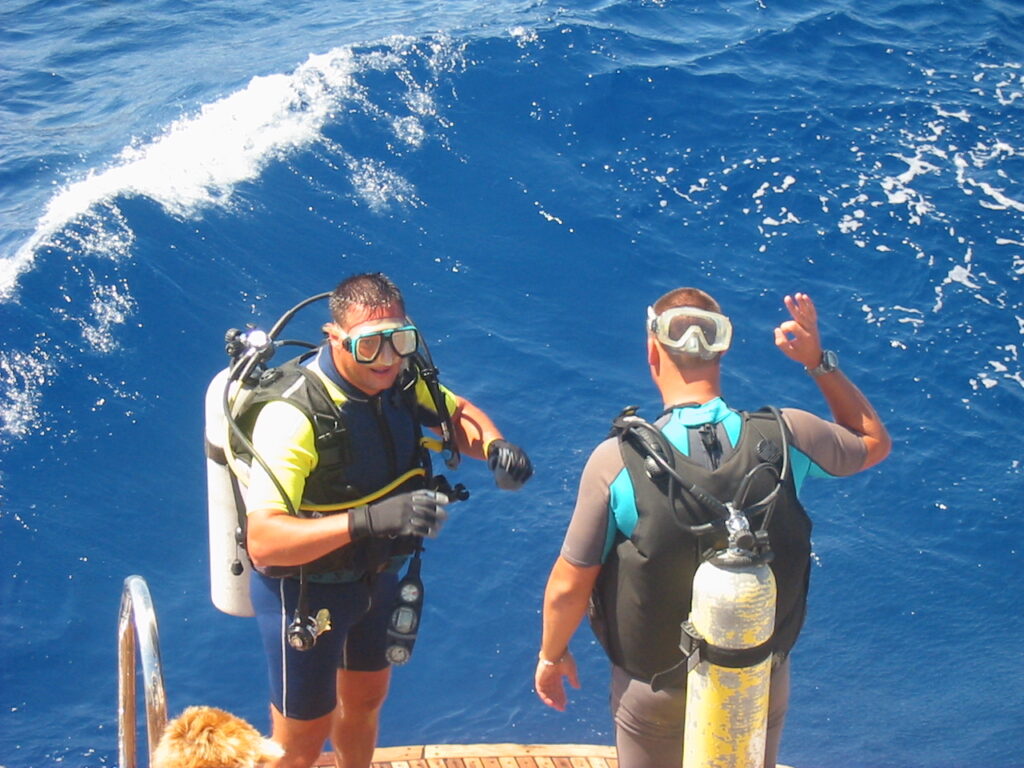
Years of diving across an enormous range of locations naturally builds a kind of personal map that no guidebook or online review could ever replicate. Knowing which reefs have genuinely recovered from past damage, which currents make a particular dive site dangerous outside specific tide windows, and which remote anchorages hide exceptional visibility that local tourism has not yet discovered all comes from direct, repeated experience rather than secondhand research.
This kind of knowledge accumulates slowly and rarely all at once. A single dive at a particular site reveals only a partial picture, shaped by that day’s visibility, current, and season. Returning to the same location across multiple years, in different conditions, gradually builds a far more reliable understanding of what a site actually offers and when it offers it best, something a single visit or a written description could never fully capture on its own.
This accumulated knowledge fed directly into route planning. Several stops along our circumnavigation exist specifically because of dive sites encountered personally over the years, locations that rarely appear in conventional sailing itineraries simply because they require firsthand underwater knowledge to recognize their value in the first place.
Where It Started: Safe Diving in Antwerp
Sven, traces the 2,800 dives back to a beginning far removed from any ocean crossing. He tells the story this way:
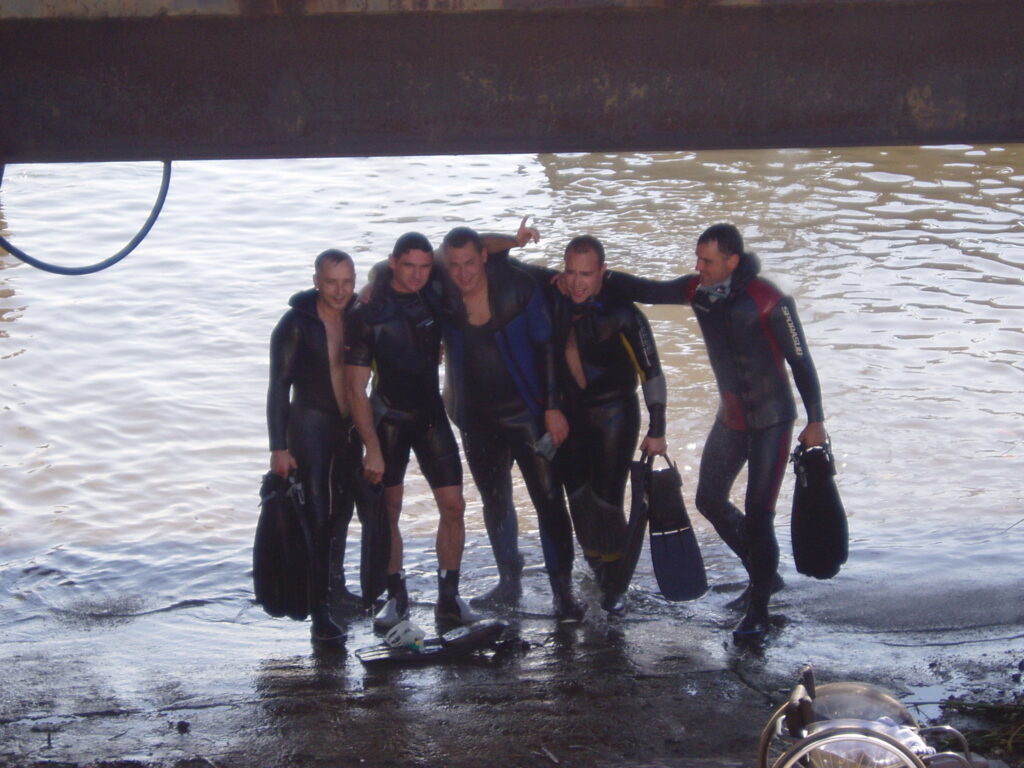
“Long before any of this took shape into a circumnavigation, I learned to dive within Safe Diving, a club chaired for many years by Roland Wantens, who passed away a few years ago and is still remembered fondly by everyone who came up through the club under him. Hans, who would later become one of Naora’s co-founders, trained right alongside me. Tuesday evenings followed the same rhythm without fail: pool sessions in Ekeren, later moved to Merksem, followed afterward by a proper debrief at café De Deken, a small Antwerp bar that has since closed but hosted years of conversation about whatever had gone right or wrong in the water that evening.
“Fab and Herman led the CMAS dive school behind the club, building a curriculum that moved deliberately between theory, physical tests in the pool, and outdoor exams that left little room for shortcuts. Passing each stage required genuine competence rather than simple attendance, and that standard shaped how I approached diving long before I had any reason to think it would eventually inform a five year circumnavigation.
“Open water training rarely happened anywhere tropical. Most weekends led to Zeeland, where the Oosterschelde’s strong tidal currents demanded precise timing and genuine respect for the water rather than enthusiasm alone. The pillars beneath the Zeelandbrug became a familiar training ground, their structure attracting dense colonies of anemones and, on a good day, the seahorses the bridge has quietly become known for among Dutch divers. The old ferry harbor at Colijnsplaat offered calmer, current-sheltered water well suited to early open water exams, while the colder, current-swept stretch near Wemeldinge tested navigation and buoyancy in conditions considerably less forgiving than any heated pool back in Ekeren.
“Those early years in Belgian pools and Dutch tidal currents account for a meaningful share of the 2,800 dives behind this journey. Long before any dive in the Red Sea or East Africa, the discipline I learned on Tuesday nights in Ekeren, and the patience the Oosterschelde demanded, had already begun shaping the way I think about diving, and eventually about building an entire route around it.”
How Diving Experience Shapes Route Decisions
Several specific aspects of route planning draw directly on this depth of diving experience:
- Identifying reef systems that remain genuinely healthy rather than relying on outdated reputation
- Understanding seasonal visibility patterns that determine the best timing for a given dive site
- Recognizing currents and conditions that require particular caution or specific tide windows
- Selecting anchorages close enough to exceptional diving without disturbing the most sensitive areas
- Briefing crew accurately on what guests can realistically expect at each diving stop along the route
This level of specificity would be extremely difficult to achieve through research alone. Dive guides and online resources can describe a site in general terms, but they rarely capture the kind of nuanced, conditions-dependent knowledge that only comes from having actually descended into that water personally, multiple times, across different seasons and conditions.
We brief our diving crew extensively on this accumulated knowledge before each relevant leg, ensuring that even team members who have not personally explored a particular site benefit from decades of prior experience rather than approaching it as a complete unknown. This knowledge transfer matters considerably as the broader team has grown beyond the founding members who built the original underwater map of the route.
New crew joining a leg in an unfamiliar region typically spend time reviewing detailed notes on each planned dive site before guests ever arrive, covering everything from typical visibility at different times of day to specific marine life commonly encountered at that particular location. This preparation helps maintain consistency across the journey, regardless of which specific crew members happen to be guiding a dive on any given day.
Beyond the Dive Itself
Decades spent diving also build an instinct for marine conservation that extends well beyond the dives themselves. Watching specific reef systems decline over years of repeat visits, and occasionally watching others recover once protective measures took hold, shapes a particular sensitivity to which anchorages genuinely need careful, limited access and which can comfortably absorb a small group of curious visitors without lasting impact.
This sensitivity shows up directly and consistently in how our route handles certain particularly fragile sites encountered over many years of exploration. Some locations encountered over the years were deliberately left off the published route entirely, despite being genuinely spectacular, simply because repeated visits even from a small, careful group risked tipping an already fragile ecosystem in the wrong direction. Knowing when to stay away is, in its own way, as valuable as knowing where to go.
Guidebook Knowledge Versus Lived Diving Experience
| Factor | Guidebook or Online Research | 2,800 Dives of Direct Experience |
|---|---|---|
| Site selection accuracy | General, sometimes outdated | Specific and current |
| Seasonal timing knowledge | Approximate | Precisely understood |
| Awareness of hazards | Limited to documented risks | Learned through direct exposure |
| Conservation sensitivity | Reported secondhand | Observed firsthand over decades |
| Confidence in recommendations | Variable | Earned through repeated experience |
A Route Shaped From Beneath the Surface
It would be fair to say that Naora’s route was planned as much from underwater as from any chart table. Many of the destinations that appear along the circumnavigation earned their place not because of how they look from the deck, but because of what years of diving had already revealed about what waits beneath the surface in that exact location.
This underwater-first approach to route planning is, as far as we are aware, fairly unusual within the broader charter and yachting industry as a whole, where itineraries tend to prioritize coastal scenery, harbor convenience, or proximity to established attractions over what actually lies beneath the surface at any given stop. We think this represents a meaningful gap, particularly for the substantial number of our members who consider diving a central part of why they joined in the first place.
Members joining a leg with strong diving interest often comment that the quality and consistency of the sites visited feels noticeably different from other charter experiences they have tried previously. This is rarely a coincidence, and it reflects decades of accumulated underwater knowledge directly informing which anchorages made the final route.
Why This Depth of Experience Matters
A circumnavigation built purely on surface-level research would inevitably miss the particular quality that defines the most memorable diving destinations along our route. The 2,800 dives behind this journey represent years of patient, sometimes accidental discovery, the kind of knowledge that cannot be rushed or outsourced, and one of the quieter foundations beneath everything our membership offers today.
We continue adding to this body of knowledge as the circumnavigation progresses, since reaching new regions inevitably means encountering dive sites that no one on the team has personally explored before. This ongoing process of discovery is part of what keeps the journey genuinely interesting even after decades of diving experience, since the ocean still reliably offers something new to learn at nearly every stop along the way.
If diving genuinely exceptional, lesser-known sites sounds appealing, we would welcome a conversation about which upcoming leg offers the strongest diving along the route this season.