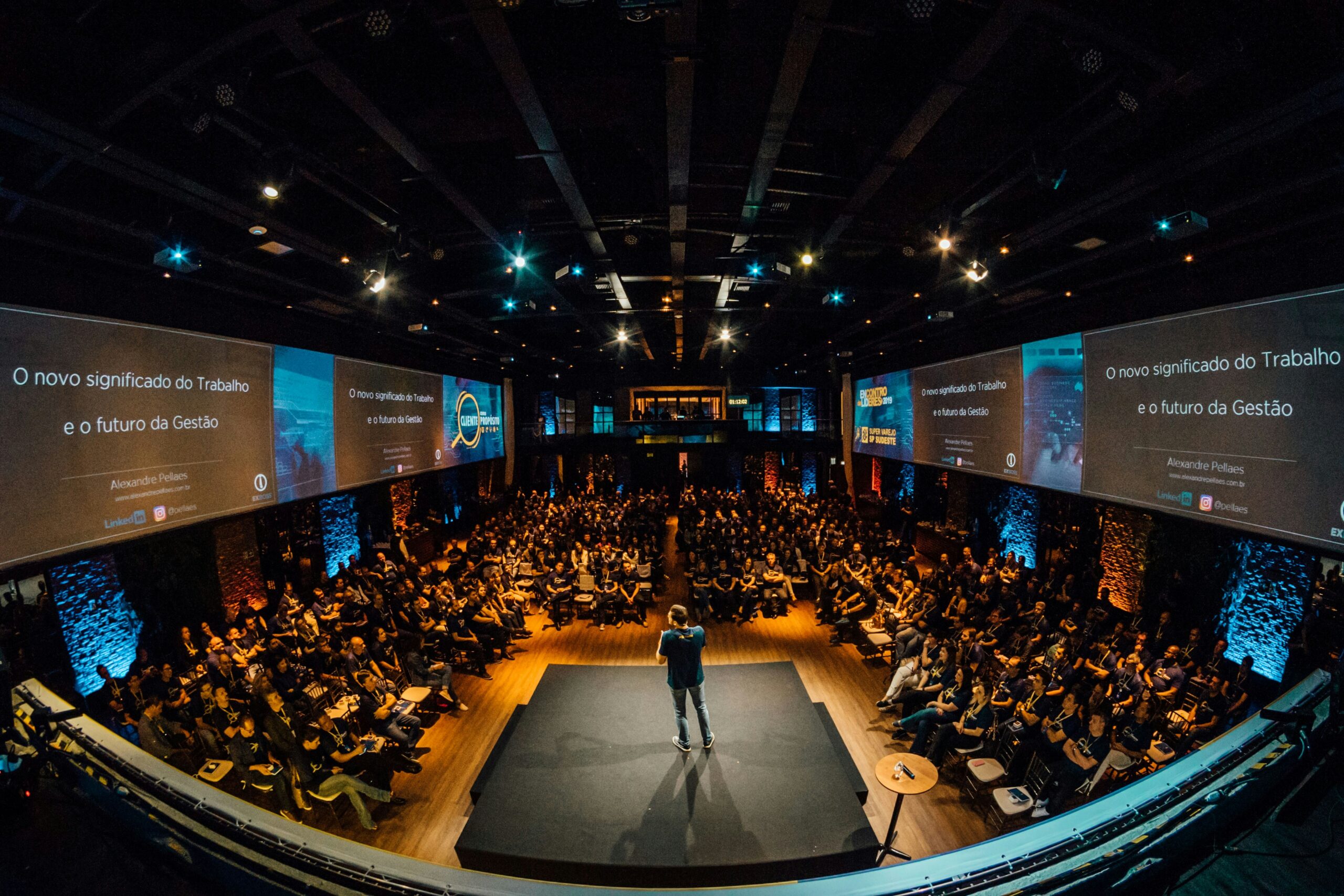
At the doors of a conference hall in Singapore, the change in air can be felt through a shirt: the coolness of the room giving way to warmth and dampness at the collar. The conversations inside may have been genuinely worthwhile. But the question of building trust at sea begins with what an introduction cannot yet tell you: how someone behaves when a small agreement becomes inconvenient.
That is a narrower question than whether you like them. It is also more useful. An engaging conversation can establish an interest, a possibility, perhaps the beginning of a friendship. Knowing that someone will tell you promptly when they cannot do what they said requires something else. Usually it requires time, and circumstances in which words acquire consequences.
We should be careful with the suggestion that a conference produces contacts while a passage produces people you can trust. Good friendships begin in conference corridors. Difficult company can remain difficult offshore. What changes aboard is the opportunity to observe one another beyond the introduction, provided we give that opportunity room rather than trying to manufacture an outcome.
What A Singapore Conference Can Begin
A conference is built to increase the number of useful encounters possible within a limited time. People explain their work, discover overlapping interests and decide which conversations deserve to continue. Brevity is part of the format. Describing it all as performance would be unfair to the people who arrive prepared, listen carefully and follow through afterwards.
The limitation is that most encounters contain little shared responsibility. You may hear how someone thinks about a difficult decision without seeing how they make one. You may admire their attention without knowing whether it survives a change of plan. Neither person has necessarily misrepresented anything. There has simply been little opportunity to learn.
The useful next step is rarely another more impressive introduction. It is a modest agreement that can be kept: sending the information discussed, making an introduction with permission, acknowledging that an answer will take longer than expected. Reliability becomes visible through these ordinary exchanges long before anybody boards a yacht.
Offshore life extends that process. The same people meet again at breakfast, during an afternoon of motion, over the practical question of where something belongs. A conversation can pause because the boat needs attention and resume later without having to be rescued before the next session starts.
This is the real distinction for us. More of the relationship takes place between its apparent highlights. There is time to discover how another person occupies an ordinary day.
Building Trust At Sea Through Small Agreements
The dramatic version of offshore trust usually involves a squall, a night watch and someone behaving magnificently under pressure. Such moments can matter, but they make a poor foundation for choosing a passage. We do not need bad weather to find out whether somebody is considerate, and nobody should be made uncomfortable so that the group can feel closer afterwards.
A better place to look is the small agreement. If someone offers to help clear a meal, do they finish or explain that they need to stop? If they are unsure where something should be secured, do they ask? If they begin to feel unwell, can they say so before their discomfort becomes something everyone else has to interpret?
These are examples, not duties assigned to guests. The running of Discovery remains a professional responsibility. But living together on a moving boat gives even ordinary acts a little more significance. Returning something to its proper place means the next person does not have to search for it. Keeping a passageway clear protects someone who may need a handhold rather than another object to negotiate.
The agreement also needs to be clear enough to keep. “I will help later” leaves both people guessing. Saying what you can do, and when, makes a promise smaller and more dependable. The equally important sentence is the one that changes the agreement before it fails.
We would rather hear that someone needs to rest than receive an impressive assurance they cannot sustain. Reliability includes knowing when your capacity has changed. That is useful at sea, and it remains useful after the boat has disappeared from view.
The Handover Makes Knowledge Shareable
A watch handover gives this principle a practical form. The person coming on watch needs more than reassurance that everything is fine. They need to understand the boat’s position and course, the next navigational concern, relevant traffic, the sail configuration, the weather trend and any equipment limitation affecting the watch. They also need to know what would require the captain to be called.
The point is to transfer a working understanding, not recite a list. What is expected to happen next? What has changed? What remains uncertain? The outgoing watchkeeper should not leave until the incoming person has understood and accepted the handover. A nod offered while looking elsewhere is not much evidence of that.
Singapore makes the need for attention less abstract. Alongside its conference life is a working maritime coast, with commercial traffic, organised shipping lanes and rain squalls that can reduce visibility. Warm water does not make an approach simple. For scale, a vessel making 20 knots covers 1 Nm in three minutes, before considering the yacht’s own movement. An absorbing conversation cannot be allowed to turn a lookout into background work.
Electronic information helps, but it does not remove the need to look outside or assess what is changing. Not every vessel appears reliably on AIS. A light holding a nearly steady bearing while its range decreases requires attention, not confidence borrowed from the calmness of the person beside you.
For a guest joining a watch, the role and its limits must be understood. Interest is welcome; enthusiasm is not a substitute for competence. Safety cannot depend on someone pretending to know more than they do.
What I find valuable here is the permission to be precise without being embarrassed. “I have not understood that” is a useful sentence aboard. So is “I need you to check.” A group becomes more dependable when neither sentence carries a social penalty.
Rest Is Part Of The Relationship
There is a particular intimacy to a quiet night watch that has little to do with conversation. With lighting kept low, the horizon takes time to separate from the darkness. Water sounds close against the hull. A warm cup occupies a hand that will shortly be needed for support, so it has to be put somewhere secure before you move. Another person’s attention is tangible because the boat continues to require it.
It would be easy to turn that scene into an argument for staying awake together until everyone says something profound. That would miss the seamanship entirely. The watch exists to keep the vessel properly observed and managed while others rest. A conversation that interferes with either purpose has become the wrong conversation.
Fatigue can narrow attention, slow decisions and make ordinary irritations harder to manage. Seasickness can leave a sociable person silent and withdrawn. Neither condition reliably reveals a hidden character. Sometimes it reveals only that a person needs sleep, relief from a task or the freedom to stop explaining how they feel.
A sensible watch arrangement protects recovery. Its shape depends on the passage, conditions and the people qualified to stand watch, rather than an appealing formula imposed in advance. Guests should not have to earn their place aboard through lost sleep.
The warmth of shared life often appears in what somebody chooses not to ask of you. A voice lowered near a sleeping cabin. A meal kept aside without making your absence a subject. A conversation allowed to wait. These acts do not produce a dramatic story, but they make it easier to live well together.
Building Trust At Sea Without Forced Intimacy
Time together is valuable only if there is also room to withdraw. Privacy aboard means being able to read, rest or remain quiet without having that choice interpreted as rejection. Someone can be fully part of a passage without contributing to every conversation.
This matters especially when people already share a professional relationship. A founder and a colleague do not lose their history because they have changed into sailing clothes. Differences in authority remain. A question that sounds open to the person asking it can feel compulsory to someone whose work they assess.
Taking that seriously requires restraint. Personal disclosures should not become a measure of participation. A meal should not quietly turn into an appraisal. Learning to sail should not become an improvised test of leadership, with the most confident beginner mistaken for the most capable person. The captain’s authority concerns the safe operation of the vessel. It is not a device for staging lessons about the office.
The same care applies to discretion. A photograph can reveal who was aboard and where they were. A casually repeated anecdote can expose a concern that was shared without any expectation of wider circulation. Asking before sharing is a small courtesy with a substantial consequence: the other person retains a say in their own visibility.
None of this requires solemnity. There is room for humour, disagreement and the pleasure of discovering an unexpected interest. But the ease depends on boundaries being respected. When nobody has to deliver a revelation, the conversation can become less guarded.
That is the kind of company we value. People need not know everything about one another to become close. They need to learn that what is offered will be treated with care, and that what is withheld will be left alone.
Choosing The Passage That Fits The People
The Naora Global Expedition gives this time together a continuing physical context. It is planned across five years, from 2027 to 2031, over roughly 49,000 Nm. That distance makes seasonal judgement, maintenance and the welfare of the people aboard central to the undertaking. The 166 legs divide a world route into different commitments, rather than asking every person who joins to adopt the expedition’s entire timescale.
Discovery, the 2025 Lagoon Eighty2 sailing catamaran carrying Naora, keeps moving around the world as people step in and out where the route fits their lives. Through Naora’s private circle, members choose when they join, where along the route they come aboard and how long they stay. Private hire allows a family, friends or a company gathering to share a carefully designed part of that same voyage.
A conversation begun in Singapore need not continue aboard immediately, or anywhere near Singapore. The right passage is the one that suits the people and the real route, not the one that makes the neatest extension to a conference calendar.
An Atlantic crossing asks for a different commitment from a coastal leg with more frequent opportunities to go ashore. Following the tradewinds does not mean sailing on flat water. Persistent wind can build a sustained sea, and motion affects reading, cooking, sleeping and the simple effort of moving around. Distance offshore also changes the options available when somebody discovers that the experience is harder than expected.
Before choosing, it is worth speaking plainly about previous time at sea, health considerations, motion tolerance and obligations that cannot move. Someone who must be at a fixed appointment shortly after a projected landfall needs a different margin from someone whose onward plans can change. Freedom of choice works best when the commitment is understood before departure.
Sven, Naora’s founder and captain, plans every weather window and sails every leg himself. His judgement has to remain more important than preserving a social plan. Waiting, altering a passage or giving up a hoped-for stop may be disappointing. Keeping an agreement with the sea is not possible in the way it is with another person; conditions have no obligation to cooperate.
For a leadership team or a private group, accepting that limit is part of travelling together well. The shared experience is real because the passage has its own purpose and demands. It does not need a second agenda imposed upon it.
What Remains When The Passage Ends
There is one final limit worth keeping. Trust learned aboard is specific before it is general. Knowing that somebody listens carefully, admits uncertainty and treats tired people kindly is meaningful knowledge. It does not establish their investment judgement, qualify them to navigate or remove the need for proper care in a future business decision.
Nor does every enjoyable passage need to produce a lasting friendship. Some people are excellent companions for the time you share and remain warmly remembered rather than closely involved in your life. That is a good outcome too. Turning every encounter into a permanent relationship would bring the pressure of the conference calendar aboard in another form.
What a passage can offer is a more substantial memory of a person. You know something beyond the introduction because you have had time to see how they listen when the answer is inconvenient, how they respond to a boundary, how they make room for someone having a less comfortable day.
If you meet again, perhaps in Singapore with another badge at your collar, there may be less to establish. The conversation does not have to prove that the connection still exists. You can sit down, put the phone away and take a moment before speaking.
The pause belongs to both of you.