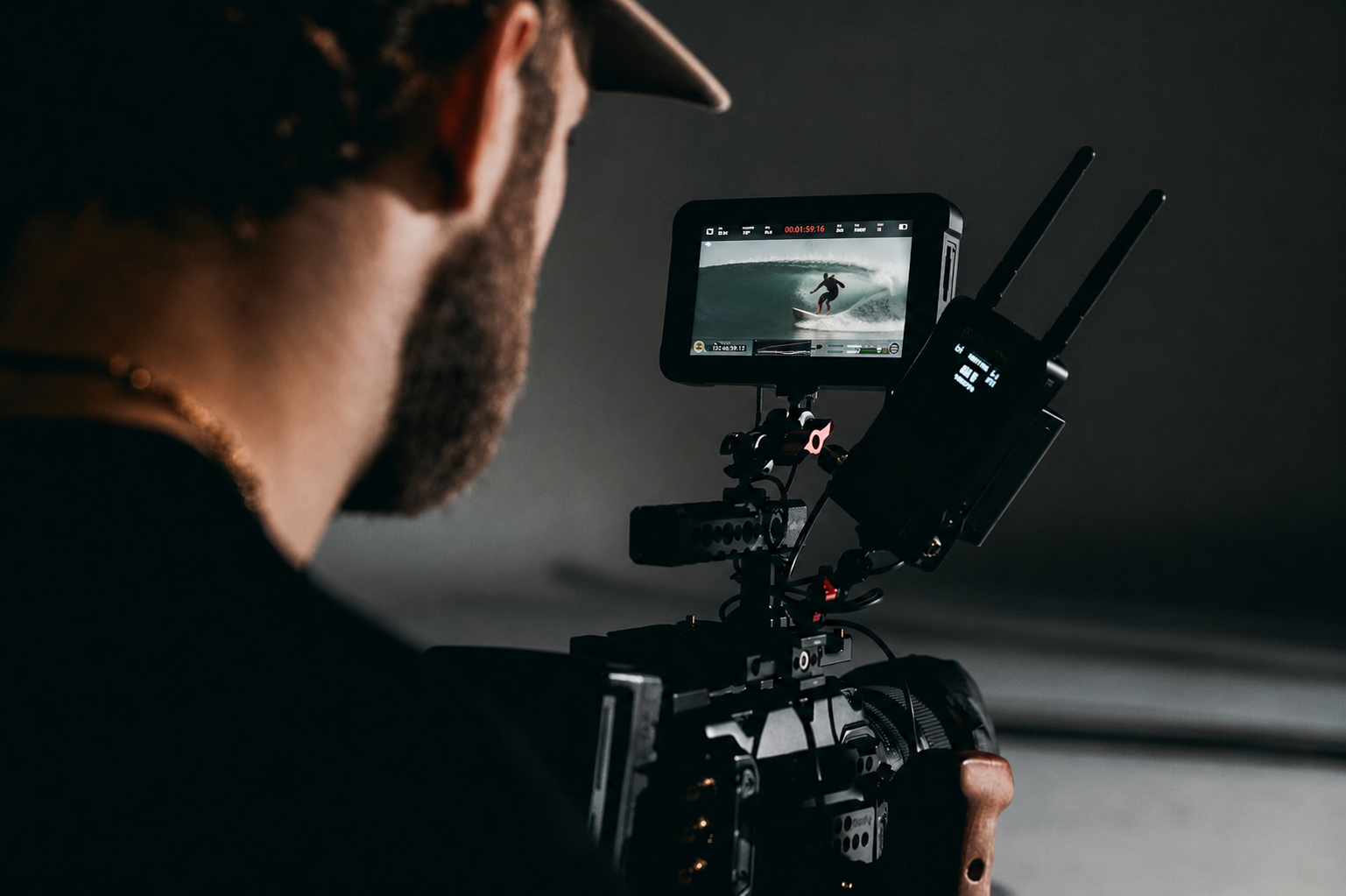
Wind can turn an ordinary sentence into a low thudding sound on a recording. Beside the microphone, the words may still be perfectly clear; through headphones, there is only that blunt pressure against the ear. That difference matters to the Naora Video Channel. A camera can be present at sea and still fail to convey what being there feels like.
We are planning the channel around the Naora Global Expedition, the private voyage around the world that Discovery will sail from 2027 to 2031. Its private home will be naora.world, with material reaching the Naora Circle before public release. The intention is to make a sustained record of life aboard, including the ordinary work that makes the more memorable moments possible. That requires decisions about what to film, what to explain, when to transmit and when to put the camera away.
What The Naora Video Channel Will Follow
Five years gives a documentary something that a short visit cannot: the opportunity to notice repetition, then understand why it matters. Provisioning returns. Maintenance returns. The departure briefing returns, even when everyone aboard has heard one before. Across roughly 49,000 Nm, these routines will connect places that otherwise have little in common. The distance makes continuity valuable because the yacht must remain a working home between the landfalls.
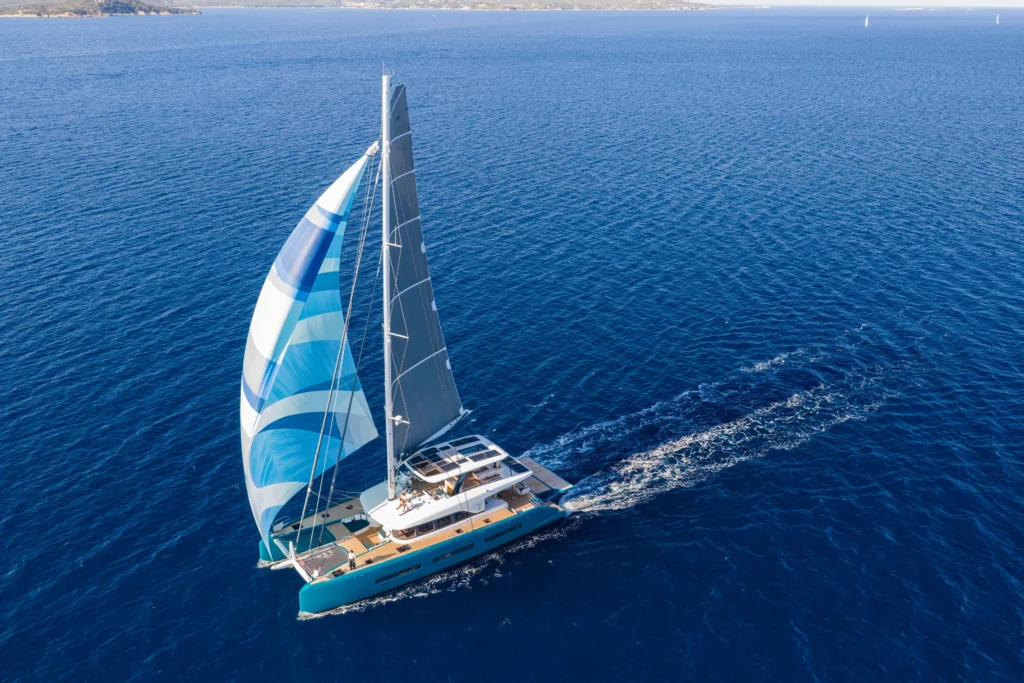
Discovery, our Lagoon Eighty2 sailing catamaran, is the setting, but the subject is the life that makes sense aboard her. A film of a meal can begin before the table is laid, with what was available locally, what will keep through a passage and what needs cooking first. A film of an anchorage can include the decision to leave it when the shelter no longer suits the forecast. The finished view becomes more interesting when its conditions are visible.
In a sheltered anchorage, the small sounds can carry: a spoon touching a cup, water moving beneath the stern, a cupboard latch closing somewhere inside. A warm mug rests in the hand while cooler air moves across the deck. These are ordinary sensations, but they give a morning its scale. We want enough room in the films for that scale to survive, rather than replacing every quiet interval with music.
Highlights and technical sailing films both have their place. Our interest lies in keeping the connections between them. The pleasant hour on deck belongs to the same day as the checks, the washing up and the weather discussion. Removing all of that work would leave a beautiful picture with an important part of its meaning missing.
Showing The Decision Before The View
A camera is an unreliable instrument for judging conditions. A wide lens can make substantial waves look distant and modest. Spray near the lens can make a manageable sea look more dramatic than it felt aboard. Neither effect requires dishonesty from the person filming. Both require care from the person explaining what the viewer is seeing.
Wind needs the same care. Apparent wind is the wind experienced by the moving yacht, combining the air’s movement with the yacht’s own motion. A display showing apparent wind cannot simply be presented as the surrounding weather without identifying it. Nor does a relatively level catamaran deck prove that sail loads are modest. The motion visible in a shot is only part of the information used to decide how much sail to carry.
For a useful sequence about reefing, the explanation should begin before anyone handles a line. What trend is in the forecast? Are the gusts strengthening? Is the sea building from a direction that changes the motion? Shortening sail early can look uneventful on film, precisely because the work has been done while conditions remain manageable. A thoughtful edit should allow the viewer to understand that an absence of drama may be the result of a good decision.
Sven, Naora’s founder and captain, plans every weather window and sails every leg himself. His attention belongs to the yacht. An explanation can be recorded afterwards; a manoeuvre should never be repeated for a clearer shot. During a Corinth Canal transit, for example, instructions and situational awareness matter more than commentary. If the useful account comes later, over an unhurried explanation of what required attention, the film loses nothing essential. It may become more accurate.
How The Naora Video Channel Reaches The Circle
The planned structure has two audiences and a clear order. Circle members will access material through naora.world before it is released publicly. The public channel will draw from the same documentary work, allowing the wider story of the expedition to be followed beyond the private circle. There is no need to create two different accounts of the voyage. What changes is access and timing.
For someone preparing to step aboard, continuity has a practical value. Seeing how a passage day differs from a day at anchor can help them understand what they are choosing. A long ocean leg brings watchkeeping, motion and fewer opportunities to change the day’s surroundings. A coastal chapter allows a different relationship with the shore. Neither needs to be made to resemble the other on screen.
Members choose when they join, where along the worldwide route they come aboard and how long they stay. The yacht continues sailing when they leave. The channel can hold that continuity without asking anyone to remain constantly involved: the next chapter is there when they want to return to it. Following the boat from home is different from being aboard, but it can preserve an understanding of where the voyage has gone since a farewell.
Live passages are part of the intended private channel, subject to the connection, the work aboard and the privacy of those present. Recorded films will build into the archive. The member-first principle does not require a fixed delay before public release, and it should not be confused with a promise of daily programming. The expedition supplies the material. A release schedule must leave room for the expedition to happen.
What A Live Connection Can Carry
Recording, uploading and streaming are separate operations. A camera can make a good recording without any connection to shore. That file can wait until it is practical to send it. Live video has a different requirement: enough consistent upload capacity to keep supplying pictures and sound as they happen. A connection that handles messages comfortably may still be unsuitable for a stable live broadcast.
The arithmetic helps explain the difference. As an illustration, video encoded at 4 megabits per second produces about 0.9 gigabytes over 30 minutes, before additional transmission overhead. These are example figures, not a specification for Discovery. Their significance is that an apparently modest viewing session creates a sustained demand on the connection. A brief improvement in signal does not necessarily make the whole session possible.
The sensible distribution model is for the yacht to send a contribution feed to a service ashore, which then delivers it to viewers through the platform. The yacht does not need to send a separate copy across its offshore connection to every person watching. Even so, the outgoing feed must remain dependable. Good download performance alone tells us little about that requirement. Operational communications take priority, and recorded footage gives us the option to wait.
Some buffering is also part of ordinary live delivery, so a picture labelled live may arrive after a short delay. The distinction that matters is whether the event is being transmitted as it unfolds or shown from a recording. We intend to keep that clear. If a connection fails and footage is shared later, it should carry its recording date rather than acquire a false immediacy. A delayed account can be entirely faithful to the voyage.
The People Who Remain Outside The Frame
A private yacht is a home while people are aboard. A camera changes that home, even when nobody speaks to it. Someone may stop telling a story, sit differently or leave the table earlier because a lens has been turned in their direction. Good documentary judgement begins before the record button is pressed, with noticing whether the act of filming is taking something away from the moment.
Our intended standard is that appearing on the channel is a separate choice from joining the voyage. Agreement to be recorded is not automatically agreement to a public release. The destination of the footage needs to be understood, particularly where children are involved. A camera can follow the preparation of dinner without making everyone eating it part of the film. Participation aboard should never quietly become participation in a production.
Privacy also sits in the background of an image. A chart display can reveal a position. A document on a table can contain personal information. A conversation beyond the main speaker may be clearly audible once the sound is adjusted. Reviewing a sequence therefore means listening and looking beyond its intended subject. The absence of an obvious portrait does not make a recording impersonal.
Live transmission allows much less opportunity for that review. There will be circumstances in which a recorded sequence, checked and released later, is the more considerate choice. The same principle applies ashore: buying something does not purchase permission to film the person selling it. A refusal needs no dramatic treatment and no explanation to the audience. We can leave without the image. Respect for a place includes accepting that some of it will remain outside our record.
Keeping The Sound And Shape Of A Place
Sound can reveal the working boat more clearly than a sweeping view. The rhythm of water against a hull changes with speed and sea state. A loose object begins to knock when the motion changes. Voices become harder to hear in wind. Keeping some of that sound allows a viewer to feel the effort involved in an ordinary action, without an exaggerated soundtrack telling them that the moment is dangerous.
Below deck on passage, the body keeps making small corrections. A shoulder rests against a surface while a hand works. The floor rises slightly beneath the feet. A pot lid trembles, then settles as someone secures it. This is the physical texture a film can lose when it cuts only between finished meals and open horizons. The galley deserves attention as a place of skilled work, not merely the room from which dinner appears.
Editing must preserve the relationship between cause and effect. Footage from an easy departure should not be joined to rougher conditions elsewhere in a way that suggests they happened together. A decision explained after the event should be recognisable as a reflection. Natural sound can be cleaned for intelligibility without adding an alarm, impact or burst of wind that was never there.
Ashore, the same discipline means allowing local detail to remain specific. We can keep the name of an ingredient as it is used locally, establish what the cook actually calls a dish and distinguish their explanation from our interpretation. Sourcing locally becomes more meaningful when the film shows what that choice changes in the galley. It should not turn the people who live along the route into scenery for our arrival.
A Record That Grows With The Route
Across 166 planned legs, an archive needs more than attractive episode titles. A Bodrum loop, an Atlantic crossing and a passage among Polynesian atolls belong to the same expedition, but they ask different things of the yacht and the people aboard. Keeping the leg, general location, recording date and relevant conditions with the footage will allow those differences to remain understandable years later. The publication date alone cannot do that work.
The original recordings also need care before they become films. A sensible workflow preserves another verified copy before camera storage is cleared. An upload that has started is not the same as a file that has arrived intact. Backups, clear filenames and recording notes are unglamorous parts of documentary work, much as checks and maintenance are unglamorous parts of sailing. Both protect something that cannot simply be repeated.
Over time, the archive can show more than movement across a chart. It can hold the reasons a plan changed, the distinction between what was expected and what happened, and the gradual familiarity of a crew with a boat moving through different waters. Recorded conditions must remain tied to their moment. Footage of an anchorage is a record of a visit, never sufficient information for someone else’s navigation or decision to stay there.
We do not yet know which images will carry the most weight at the end. There should be room for the departure and the landfall, but also for an ordinary evening that required no announcement. Water moving beside the hull. The last sounds from the galley. A conversation allowed to continue after the camera has been put away.