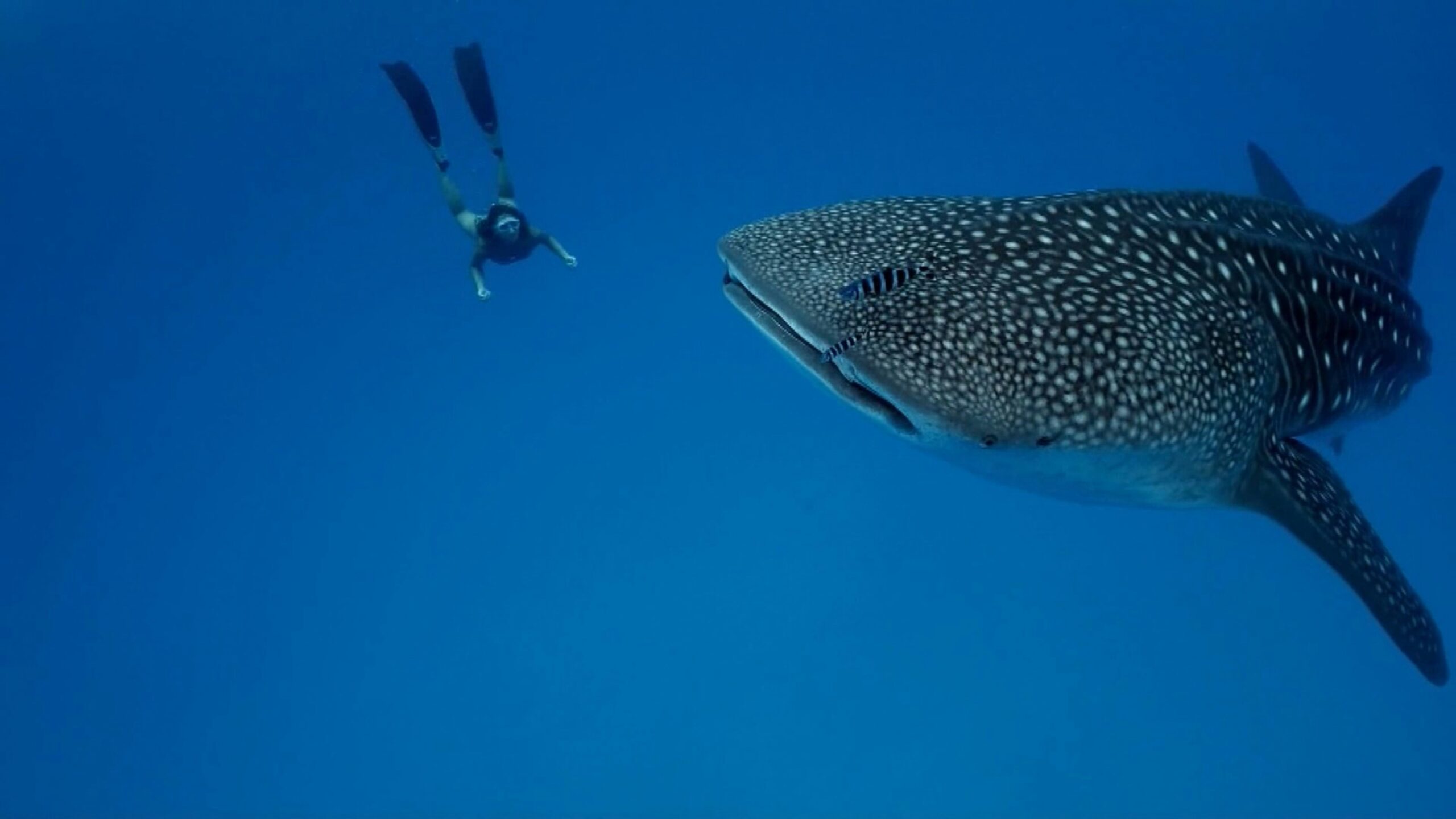
The Gulf of Tadjoura is a triangular bay cut into the Djiboutian coast between the city of Djibouti and the town of Tadjoura at the base of the Arta Peninsula. Between November and January the seasonal upwelling current brings the cold, nutrient-rich deep water to the surface of the gulf and the phytoplankton bloom that the nutrients produce feeds the zooplankton that the whale shark filters from the water in the aggregation that the Djiboutian dive industry has been taking visitors to since the early 2000’s.
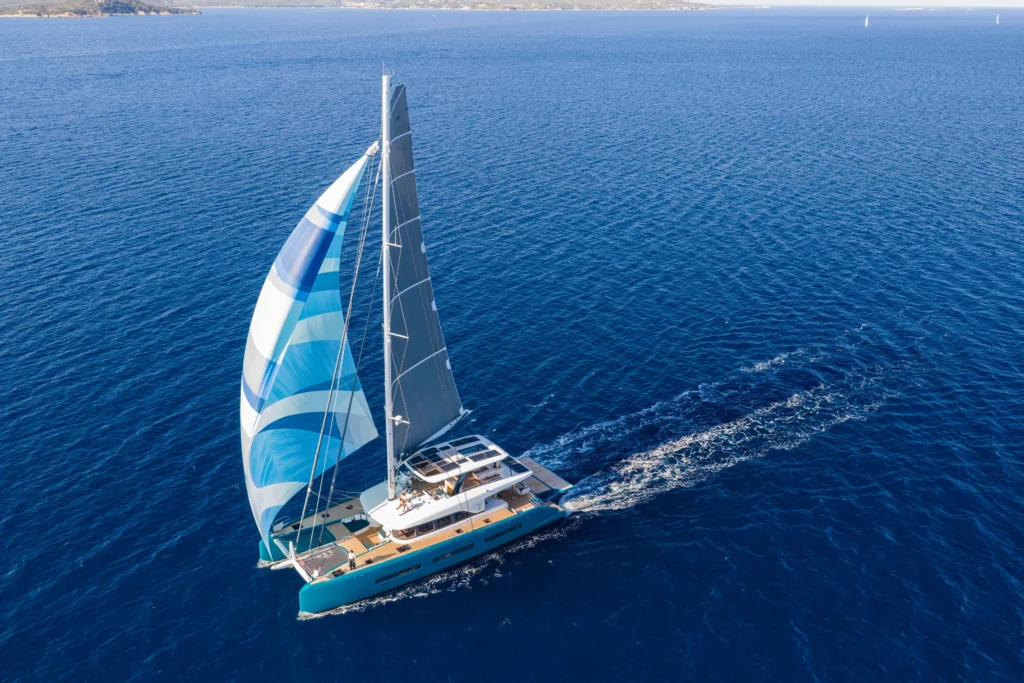
The whale sharks of the Gulf of Tadjoura are among the most reliably encountered aggregations of the species in the western Indian Ocean, not the largest, not the most famous, but the aggregation that the Naora circumnavigation’s passage through the Bab-el-Mandeb and the Gulf of Aden puts the Eighty2 in the position to visit in the correct window.
I have been in the water with whale sharks many times since the Maldives encounter when I was twelve. The Gulf of Tadjoura whale sharks are the whale sharks of the upwelling current, the animals that are not in the open ocean cruising formation of the pelagic whale shark but in the feeding formation of the animal that is in the plankton bloom, moving slowly through the dense concentration with the mouth open and the gill rakers filtering the water at the rate of six thousand litres per hour.
The feeding whale shark is the whale shark at its most accessible: it is moving slowly, it is focused on the food, and the freediver who approaches without the bubbles of the scuba tank is the freediver that the whale shark accommodates at the proximity that the bubble-free presence allows.
The Freedive Alongside
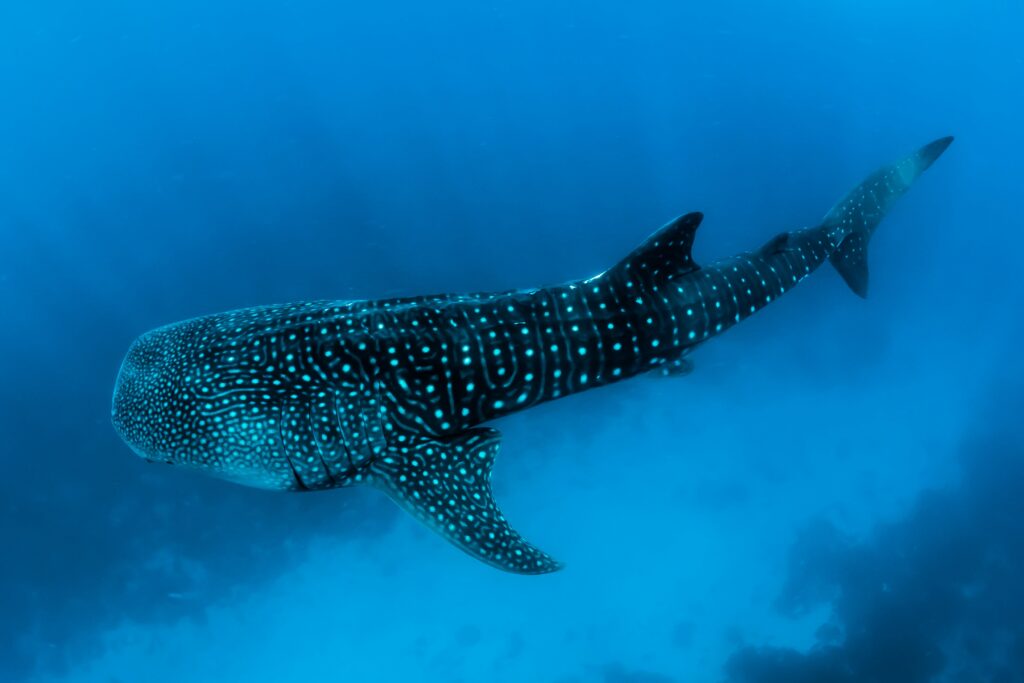
The freedive alongside the feeding whale shark in the Gulf of Tadjoura is the freedive of the breath-hold descent to the depth of the animal’s feeding (three to eight metres) and the horizontal swim alongside at the animal’s speed, which is the speed of the slow-moving filter feeder and the speed of the fit freediver at moderate exertion. The animal is ten to twelve metres long.
At three metres alongside, the full length is not visible in a single field of vision. The eye of the whale shark, the small eye set far back from the enormous mouth, observes the freediver with the specific attention of the animal that has been observed by human beings since the human beings discovered what it was and that has learned that the human being swimming alongside it produces no threat that the whale shark’s four hundred million years of evolutionary experience has prepared it to be concerned about.
The whale shark continues feeding. The freediver continues alongside. The Gulf of Tadjoura continues producing the upwelling that keeps both of them there.