The dugong is the animal the mermaid legend was built around. The Portuguese sailors who encountered it in the coastal waters of Africa and Asia in the fifteenth and sixteenth centuries described the animal with the breasts of the nursing female visible at the surface as the mermaid, the half-human, half-fish creature of the maritime mythology that the dugong’s surface behaviour and the distance of the sighting and the extended period at sea that produces a specific quality of the visual imagination conspired to create.
The dugong is not a mermaid. It is a large, slow-moving marine mammal related to the elephant, the sirenian order that the seagrass beds of the shallow tropical coastal waters have been feeding since the Eocene epoch, fifty million years ago.
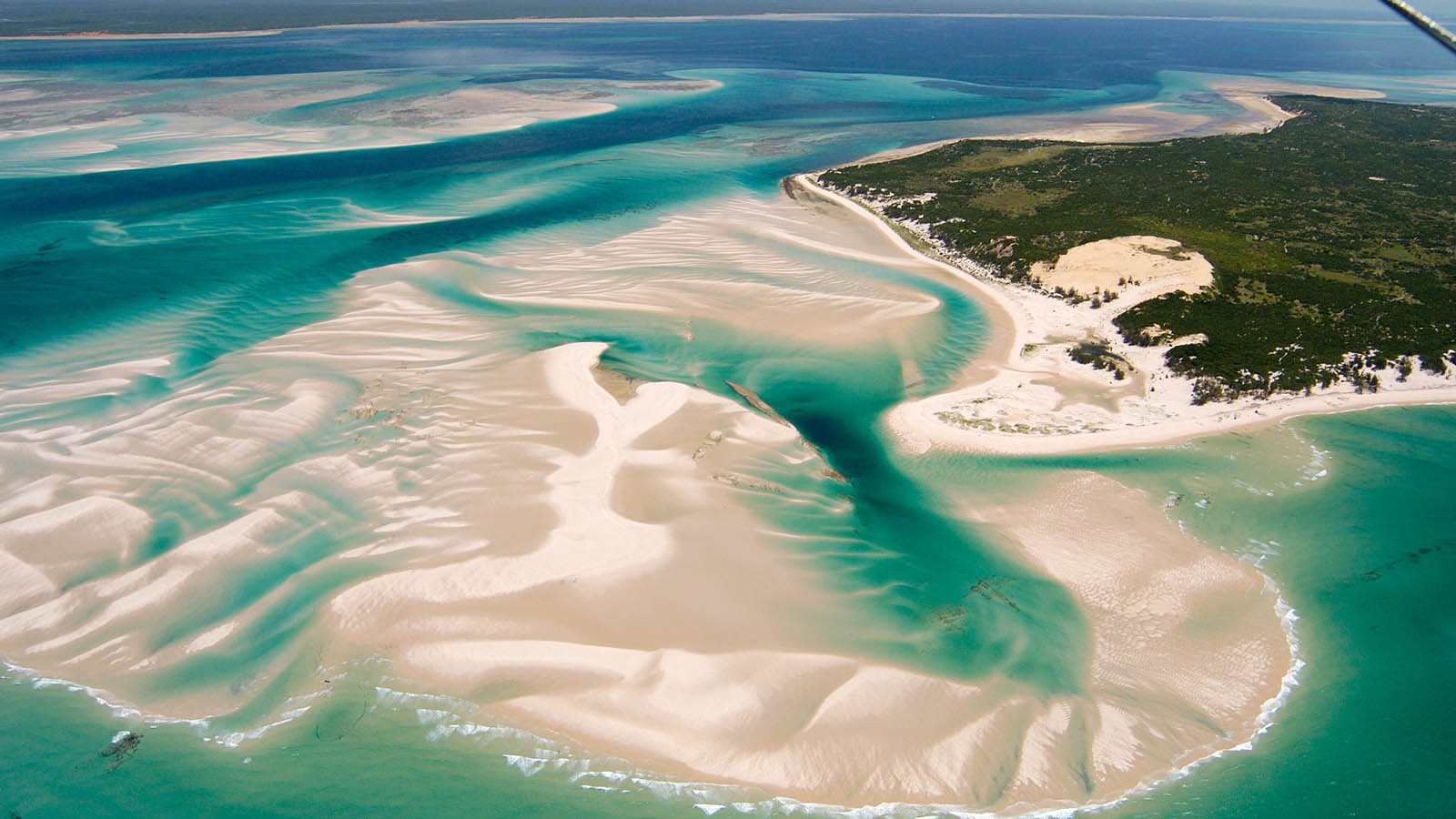
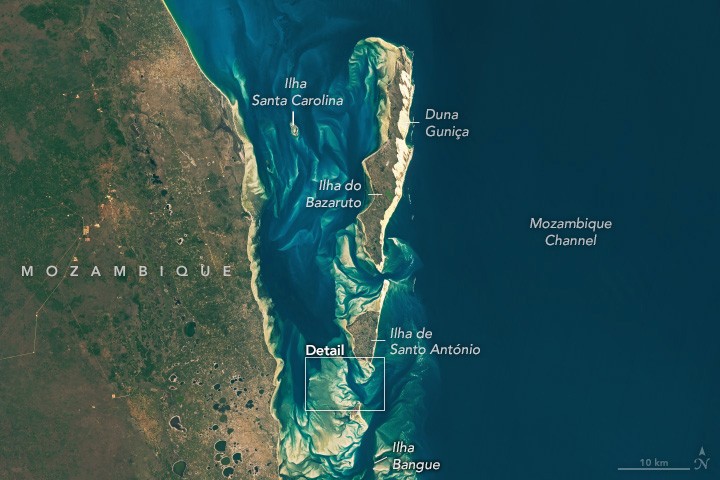
The Bazaruto Archipelago in Mozambique holds the last significant dugong population in the western Indian Ocean. The eastern African coast from Somalia to South Africa and the waters around Madagascar and the Seychelles once supported dugong populations throughout the shallow coastal areas where the seagrass beds grew.
The subsistence hunting and the habitat destruction, the seagrass beds degraded by the coastal development and the agricultural runoff, have eliminated the dugong from most of this range. The Bazaruto national park’s protection has maintained the seagrass beds and reduced the hunting sufficiently that the Bazaruto population, estimated at several hundred individuals, persists as the remnant of the western Indian Ocean population that once extended across the entire coastline.
In the Water With the Dugong
The dugong encounter at Bazaruto is the snorkel encounter, the animal grazes the seagrass at three to five metres depth in the clear water of the national park and the snorkeller above watches the grazing from the surface. The dugong does not surface with the dolphin’s exuberance or the whale’s visibility. It surfaces quietly, breathes, and returns to the seagrass.
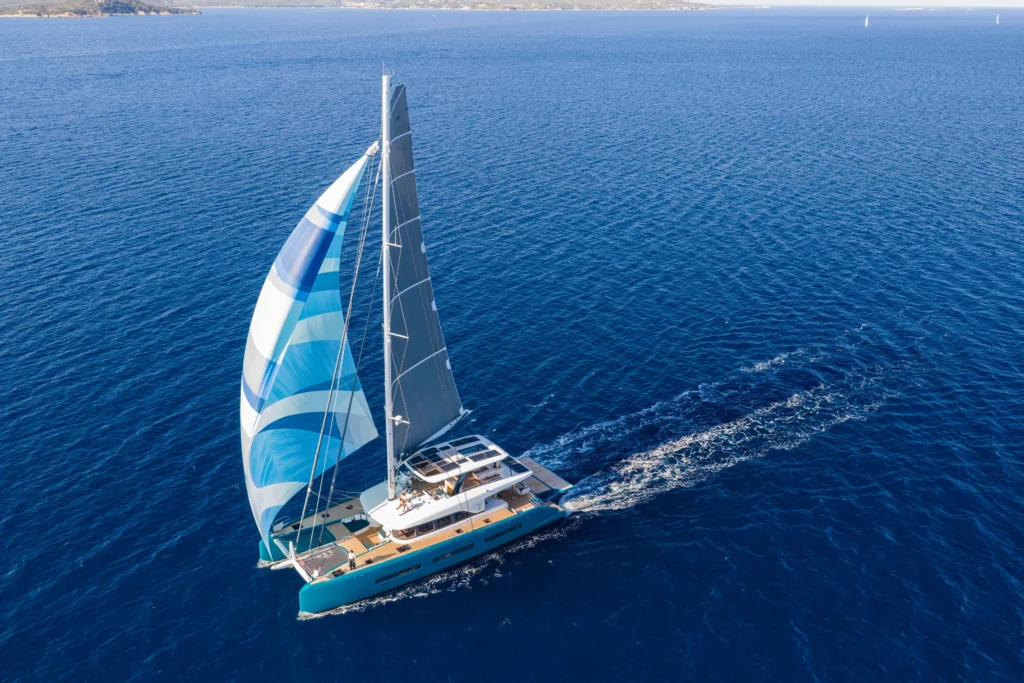
The encounter requires the patience of the person who is in the right water and who is waiting rather than the person who is moving through the water looking for the next thing. The Bazaruto dugong encounter is available to Discovery’s members anchored in the national park waters because the offshore boat is the offshore boat, it carries its own anchor and its own snorkelling equipment and its own knowledge of the seagrass bed locations that the dugong uses at the time of day Discovery is in the water.
The encounter is there. The patience is required. The mermaid is real. It is just a different animal from the one the Portuguese sailors described.