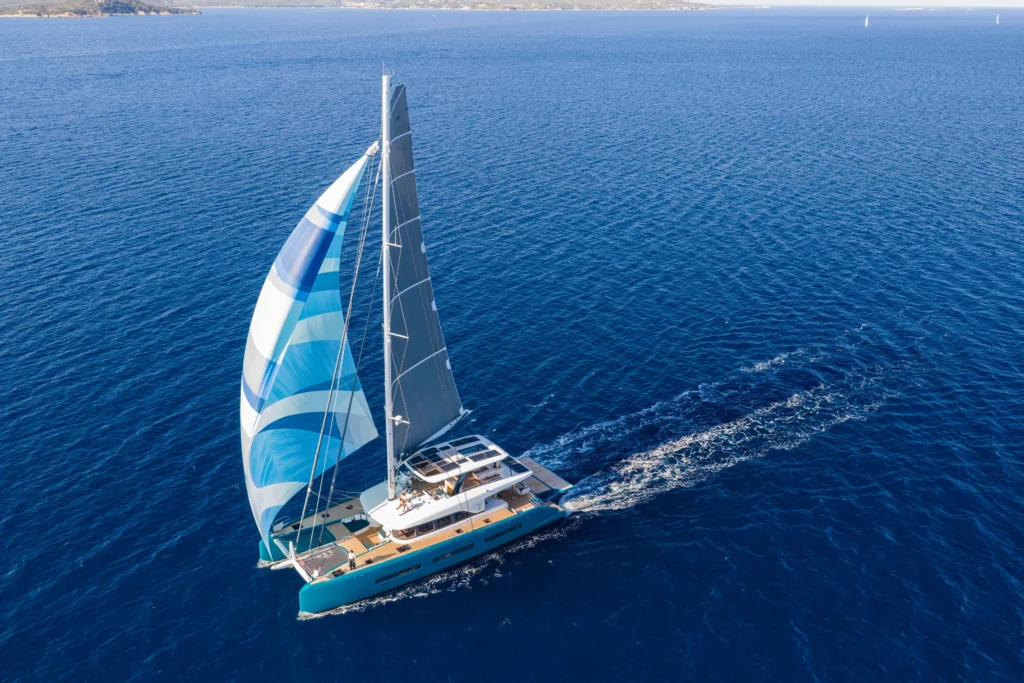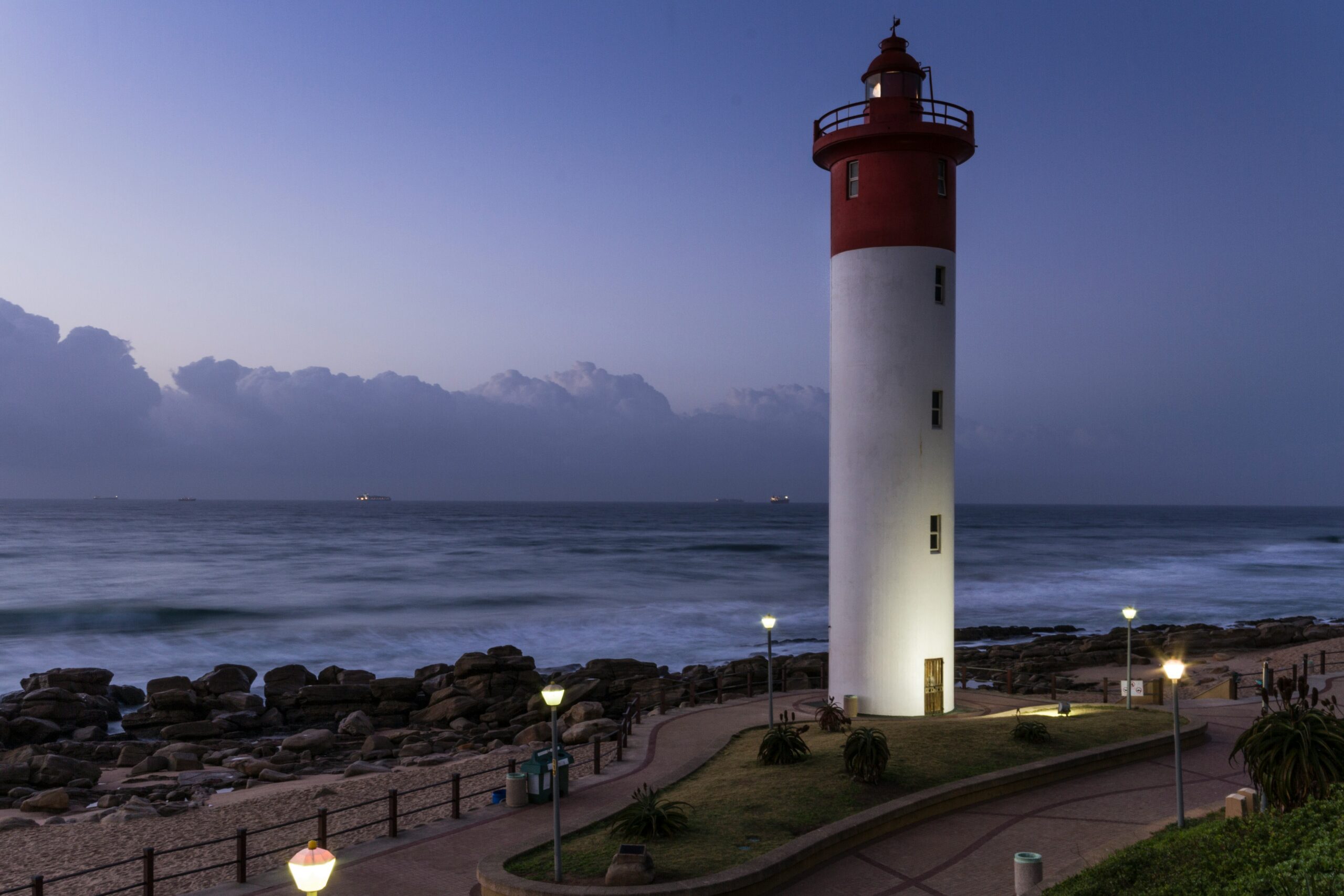
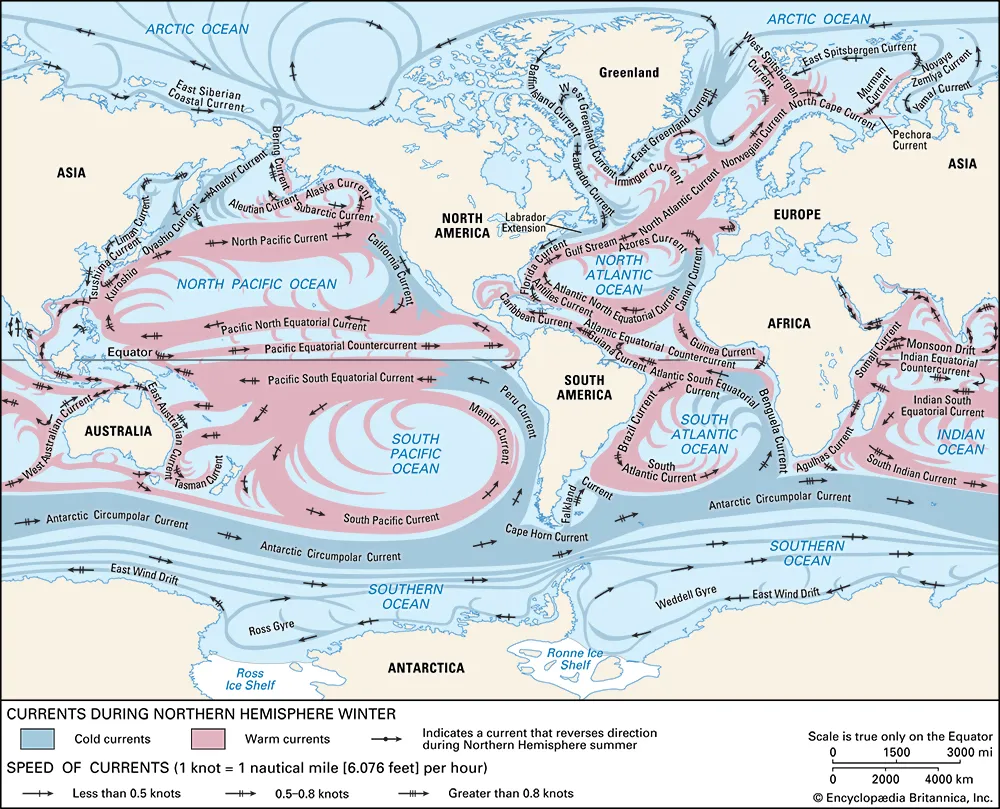
The Agulhas Current is the strongest western boundary current in the Southern Hemisphere. It runs southwest along the African continental shelf from the Mozambique Channel to the Cape of Good Hope at speeds of three to five knots, fast enough to significantly affect the passage time of the offshore sailing vessel moving along the South African coast in either direction.
With the current, the northward passage from Cape Town to Durban benefits from the three to five knots of free boat speed that the current provides. Against the current, in the southward direction, which is not the Naora route but which is the direction that the returning offshore sailor occasionally needs to make — the same current is the obstacle that increases the apparent wind and the sea state to the conditions that gave this section of coast its historical reputation as one of the most dangerous offshore sailing environments in the world.
The Agulhas Current’s reputation comes from the specific sea state that the southwest wind against the southwest-flowing current produces on the continental shelf: the steep, short waves that the wind-against-current condition generates, which are more dangerous for the offshore vessel than the long ocean swell of the same height because the steeper wave breaks more readily and the breaking wave is the wave that puts the offshore boat at risk rather than the wave that merely makes the passage uncomfortable.
The rogue waves of the Agulhas Current, the extreme waves that the current’s interaction with the southwest swell occasionally produces, are the largest and most unpredictable in the world’s ocean and the reason the South African east coast passage is planned with the weather window that Sven identifies weeks in advance.
Planning the Window
The South African east coast passage is made in the weather window that the Agulhas Current’s behaviour and the South African coastal meteorology jointly produce. The window is the period between the low pressure systems that the westerly belt generates the three to five day period of the settled northeast to east wind that the South African high pressure produces before the next frontal system approaches from the southwest. In the window, the passage from Cape Town to Durban runs fast and comfortable in the northeast wind with the Agulhas Current from behind.
Outside the window, the passage is the passage that the Agulhas Current’s reputation is built on. Sven identifies the window. The boat departs in it. The 1,700 kilometres from Cape Town to Durban are covered in the specific conditions that the preparation makes possible and that the impatience of the departure before the window makes dangerous. This is the offshore sailing life at its most technically demanding and the Naora circumnavigation’s most carefully planned coastal passage.