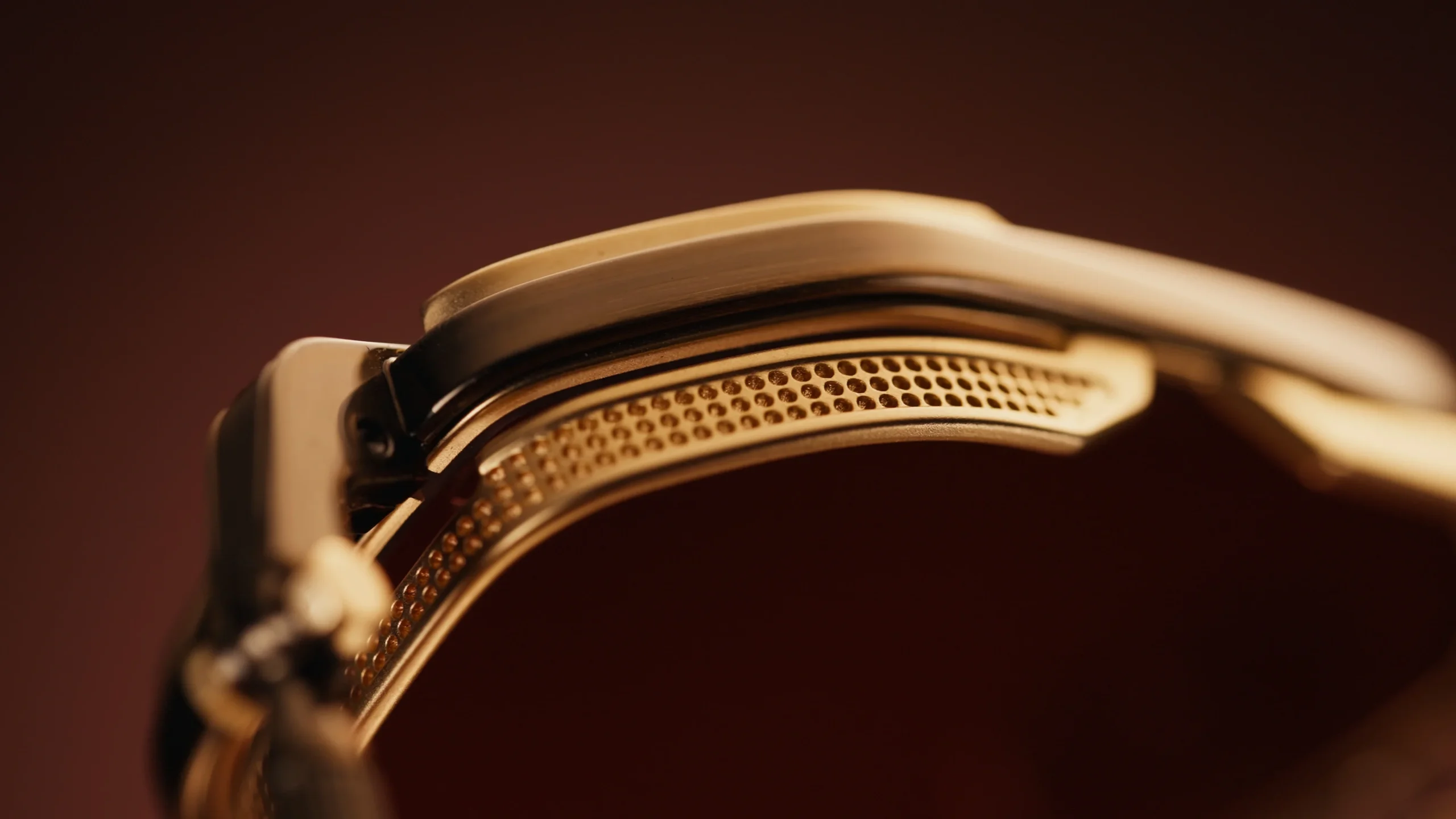
Akoni‘s slogan is Framing Visionaries. Not framing glasses. Not framing faces. Visionaries, the people who look at the boundary of what is possible and decide that the boundary is the starting point rather than the limit. The astronomers who pointed their instruments at the sky before the sky had a name for most of what they found there.
The pioneers who sailed into the unknown ocean not because they knew what was on the other side but because not knowing was insufficient reason not to go. The scholars who built the intellectual frameworks that the rest of civilisation has been thinking inside ever since. Akoni turned to the place where human curiosity was born and discovered that the drive to reach the boundary of human capability was, in the end, infinite.
I got the Akoni Tiros reading glasses and the Akoni Eris Two sunglasses from Frits van den Bosch this week. A sincere thank you to the team at Frits Van den Bosch for the outstanding service and expert advice. The Eris Two has Carl Zeiss polarised lenses, the same optical precision that the astronomical instruments of the pioneers Akoni draws its identity from were built around, applied to the lens that sits between my eyes and the Pacific horizon.
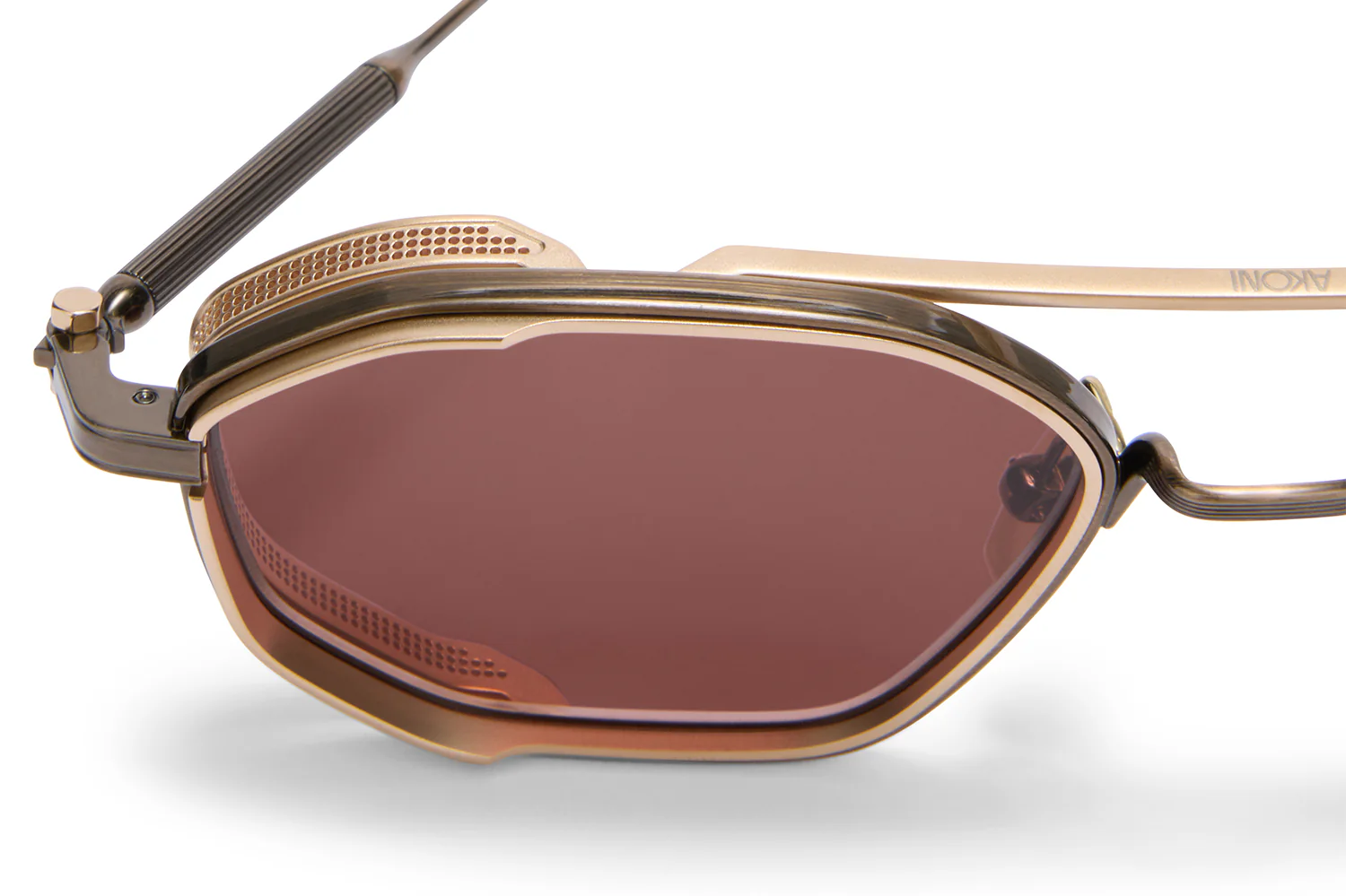
The Tiros has the clean titanium architecture of the frame that Fukui’s master artisans make from the material that the Japanese eyewear industry has been perfecting for forty years.
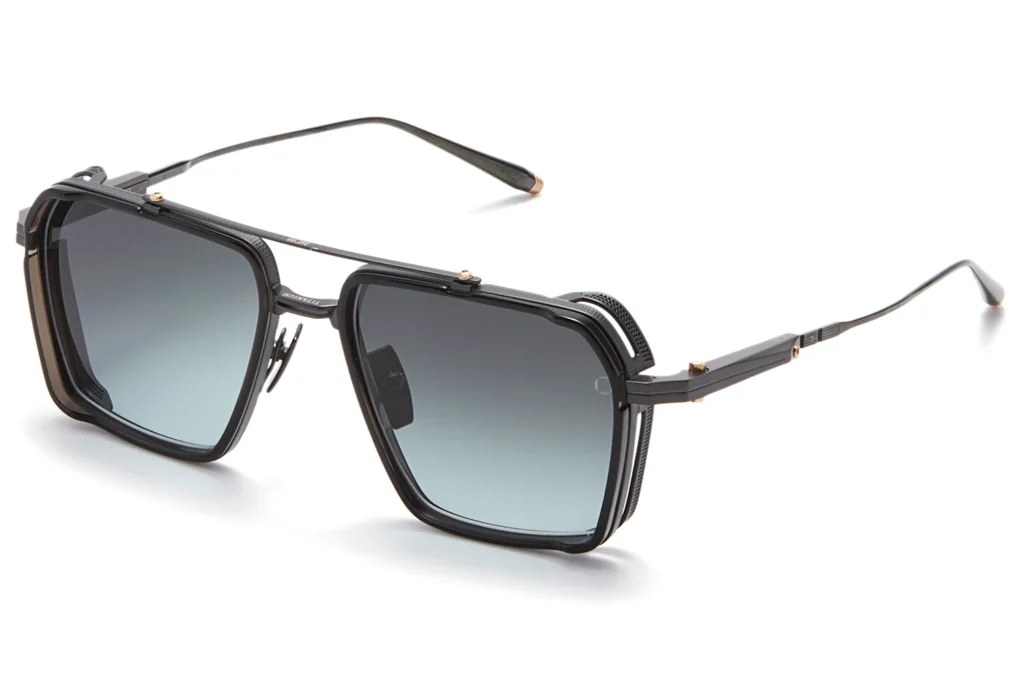
The Akoni Eris Two and the Offshore Horizon
The Eris Two is the polarised sunglass for the offshore sailing life in the specific sense that the offshore sailing life is not the beach holiday at one remove from the sun lounger. The offshore passage at sea level puts the sun at the exact angle that the reflected glare from the water is most damaging and most disorienting — the specific combination of the direct UV from above and the reflected glare from the surface that the non-polarised lens manages and that the Carl Zeiss polarised lens eliminates.
The Zeiss lens does not dim the world. It removes the interference between the light source and the eye, which is a different and better thing: the clarity of the ocean ahead of the bow is the clarity of the ocean rather than the brightness-reduced approximation that the tinted lens produces.
The Eris Two frame is titanium, the Japanese titanium that does not corrode in the salt spray, does not fatigue in the heat, does not react with the skin that wears it for days of continuous offshore use. The hinge moves with the precision of the component that was made to be opened and closed ten thousand times without the play developing that the inferior hinge develops at a thousand.
The design is the architectural design language that Akoni applies to all its frames: clean lines, considered geometry, the frame that earns its place on the face through the quality of the object rather than the prominence of the logo. The Eris Two has presence without noise. On the offshore deck in the Pacific sun, this is the exactly correct combination.
The Akoni Tiros and the Navigation Station
The Tiros is the reading frame that lives at the navigation station. The chart review, the weather routing analysis, the passage plan that I work through at the nav station in the hours before the departure decision is made, all of this happens with the Tiros.
The titanium frame that the Shokunin artisan in Fukui made from the material that weighs almost nothing and holds its shape against the conditions that the offshore environment applies to everything aboard. The reading frame on the navigation table of the boat on the five-year circumnavigation is the reading frame that needs to be there on the last day as well as the first. The Tiros will be.
The Tiros takes its name from the tradition of naming Akoni frames for the scientists and pioneers and astronomers who pushed the boundary of human capability, the Shokunin philosophy of the complete devotion to the mastery applied to the people rather than the craft. TIROS was the name of the first successful meteorological satellite, launched in 1960, which for the first time gave the offshore navigator the view from above the weather system rather than the view from within it.
The frame named for the satellite that gave us the first view of the Earth’s weather from space sits on the navigation station of the boat that plans its passages from the weather routing data that the satellite technology TIROS inaugurated makes possible.
This is the specific quality of the detail that Akoni builds into its products that the person who knows the history finds and that the person who does not know it misses, and that the frame does not require to be what it is.
Why Every Naora Member Should Consider Akoni
If you are looking for new eyewear and you want the frame that earns its place across five years of offshore sailing, overland travel, city dinners, and the full range of the life the Naora membership produces, here is the honest case for Akoni.
The offshore sailing environment is one of the most demanding environments for eyewear that exists outside of professional sport. The UV intensity at sea level on the open ocean is higher than inland because the water reflects rather than absorbs the radiation that the land attenuates.
The salt spray deposits a fine crystalline layer on every surface it touches, the instrument screens, the sail covers, the lenses of the sunglasses that the deck crew wears from the departure to the anchorage. The heat of the tropical day expands materials that were not engineered for thermal stability. The physical demands of the active water sports programme: the diving, the freediving, the SUP, the dinghy, mean the eyewear goes on and off frequently and needs to survive the handling of the person who is also managing a tank valve or a paddle or a mooring line.
The conventional premium sunglass: the fashion-adjacent luxury brand with the logo on the temple and the polycarbonate lens and the frame that was designed for the Milan street rather than the offshore deck, manages these conditions. The coating eventually peels in the salt environment. The frame eventually warps in the sustained heat.
The hinge eventually develops the play that makes the fit imprecise. The conventional premium sunglass is designed for the conditions that the marketing photographs portray, which are the conditions of the beautiful location rather than the conditions of the sustained real use in the environment where the eyewear actually lives.
The Akoni Eris Two with the Carl Zeiss polarised lens is designed for the conditions where the eyewear actually lives. The Japanese titanium frame that does not corrode, does not fatigue, does not warp. The Carl Zeiss lens that eliminates the offshore glare rather than managing it.
The Same Story
The visionary that Akoni frames is the person who looks at the world through the lens of the possible rather than the probable. The pioneer who sailed into the unknown. The astronomer who pointed the instrument at the sky before the sky had a name for what the instrument would find. The scholar who built the framework. The explorer who went.
The Naora member who books the Atlantic crossing or the Pacific passage or the Red Sea chapter is the contemporary version of the same person. Not because they are sailing into the unknown, the route is charted and the weather is forecast and the crew has done it before.
But because the decision to leave the land and commit to the open ocean passage for three weeks is the decision that the person who is satisfied with the probable does not make. The person who makes it is the person who understood, at the point of the decision, that the boundary is not the limit but the starting point. The Akoni slogan and the Naora voyage are describing the same person from different angles.
The Eris Two is on the helm. The Tiros is at the chart table. The Eighty2 departs Bodrum in May 2027. The visionaries are welcome aboard.