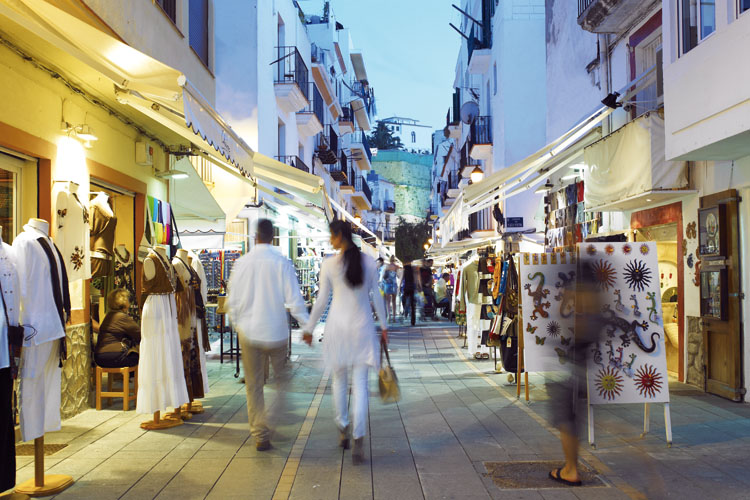
The dinghy takes you ashore. What you do ashore is yours to decide and yours to pay for, and the range of what is available depending on where the boat is anchored is the range from the village with three buildings and a coconut palm to the city with a week’s worth of restaurants and museums and day trips and cultural engagements.
The personal expenditure ashore is the budget line that the all-inclusive framing of the boat experience does not prepare people for, and the Naora team is honest about it from the first conversation: plan for it, enjoy it, and understand that it is the part of the experience where the boat’s reach into the specific local world produces the things that the boat itself cannot provide.
The local restaurant on the waterfront is not on the boat. Neither is the market stall selling the specific produce that Richard spotted from the dinghy and that he now wants you to carry back for the evening meal. Neither is the cold beer at the bar in the harbour town on the first night after the Atlantic crossing, which is not a meal you will eat on the boat because the bar in the harbour town is the correct location for the first drink on land after three weeks of ocean and no force on the boat will keep you aboard for it.
These are the personal expenditures that the offshore life produces as naturally as the diving and the sailing, and they are the expenditures that produce some of the most specific memories of the leg.
The Local Guide and the Tribal Contribution
The local guide is the specific expenditure that produces the most return per dollar of anything available ashore. The person who knows the trail that is not on the map, the community that is not accessible without the introduction, the specific knowledge of the place that the guidebook summarises and the local guide embodies, this person charges a modest fee for access to what they know and what they know is the specific thing that the tourist visit approximates and never fully achieves.
Book the local guide for the half-day hike, the village visit, the market tour in the language you do not speak. It is thirty to eighty dollars and it is the difference between seeing the place and understanding it.
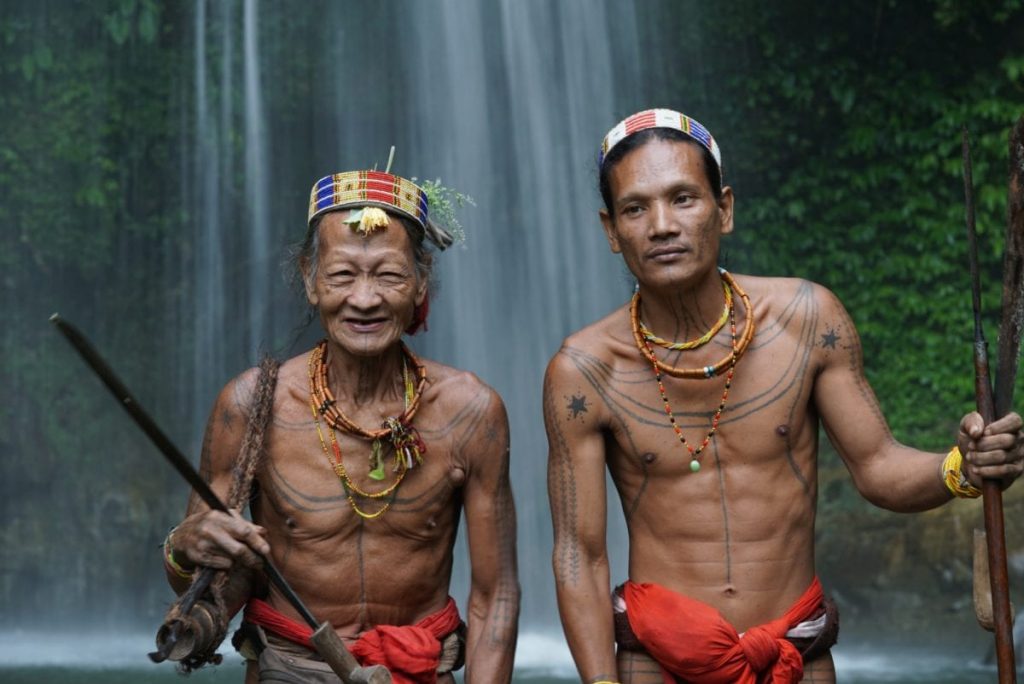
In specific communities along the route, particularly in the Pacific island chains and the Indonesian archipelago and the Solomon Islands or access to the traditional community life requires a tribal or community contribution paid directly to the community’s representatives.
This is not a tourist fee managed by an agency. It is the direct payment to the community that makes the visit possible in the form that makes it worth making: the access to the daily life of the community, the ability to accompany the fishing trip or the hunt or the ceremonial preparation that the tourist visit to the visitor centre does not provide.
The contribution is typically modest (twenty to fifty dollars per person) and it goes directly to the community. Budget for it. The access it buys is the access that no agency can sell you.
National park entry fees, museum tickets, safari access if the leg is in the vicinity of the African coast on the Red Sea return: these are the institutional versions of the same principle. The park and the museum and the reserve charge what they charge. The Naora team advises on what to expect in each region before the leg so there are no surprises ashore.
Budget fifty to one hundred euros per person per week for the personal expenditures in the average leg, more in the regions with higher costs of living and more access to the expensive experiences. Less in the remote Pacific and the outer Indonesian islands where the local economy is the local economy and the prices reflect it.