There is a category of experience that the memory handles differently from the rest. Not because it was the most expensive or the most distant or the most dramatic, though it may have been some of these things. But because it changed something that the other experiences left unchanged, because the person who came back from it was, in some specific and articulable way, different from the person who left for it. This category of experience is not a holiday.
It is the kind of thing that the word holiday was trying to describe before the travel industry standardised it into the category of pleasant experiences efficiently delivered in comfortable surroundings at a predictable quality level.
The difference between the two is not the cost or the duration or the destination. It is what the experience asks of the person who has it. The vacation asks very little: rest, presence, the willingness to receive what the hotel and the restaurant and the excursion company have prepared. The experience asks something specific: engagement, participation, the willingness to be in conditions that the person did not fully control and did not entirely predict and that required them to give something they had not budgeted to give.
The vacation refreshes. The experience changes. Both have their place. They are not the same thing.

Why the Naora Leg Is Still There Two Years Later
The members who talk about the Naora leg two years after it happened talk about it differently from the way people talk about the holiday that was excellent. The holiday that was excellent has a general quality in the memory, the warmth, the food, the good feeling of the time off.
The Naora leg has specific qualities: the specific anchorage, the specific night, the specific conversation, the specific person across the table who said the specific thing that the member has been thinking about since. The specificity is the indicator of the experience that asked something of the person rather than the experience that provided everything without requiring anything in return.
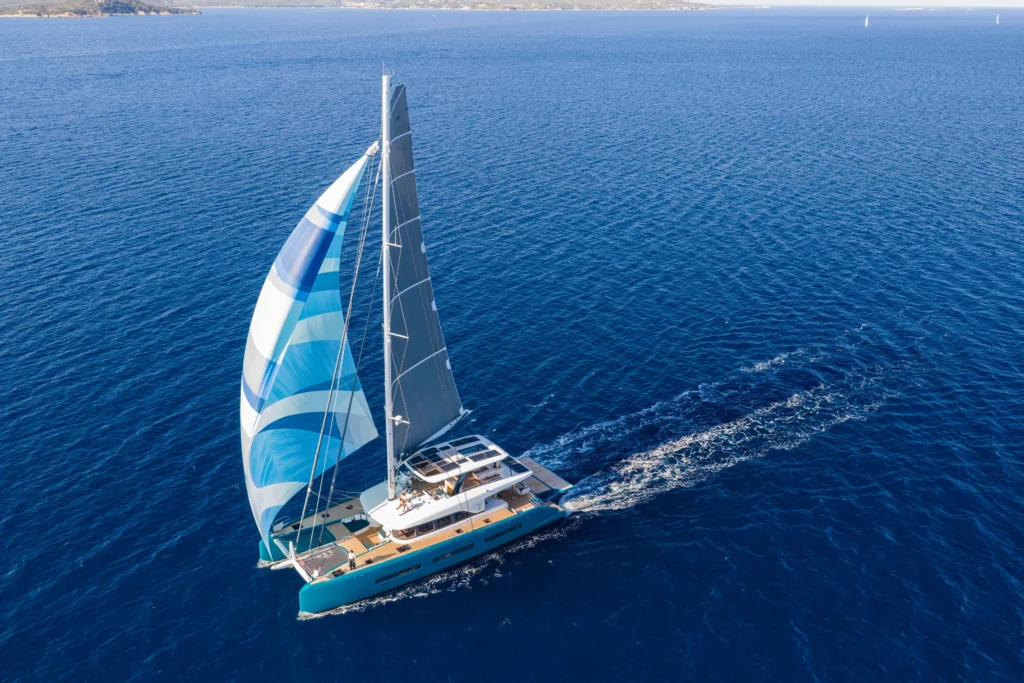
The offshore sailing passage asks for the engagement of the body and the attention and the social presence that the resort holiday specifically designs itself not to require. The night watch at two in the morning asks for the presence that the comfortable hotel room does not ask for. The first rough sea asks for the composure that the smooth water does not ask for.
The conversation in the offshore anchorage asks for the honesty that the dinner party at home does not ask for. Each of these asks is small. Together they produce the experience that the memory keeps returning to because the memory is returning to the evidence of the person the offshore context revealed, the person who was present, engaged, and capable of more than the comfortable life had recently required them to demonstrate.
Two years later, the Maldives is a warm memory. The Naora leg is a reference point. The difference is the asking.