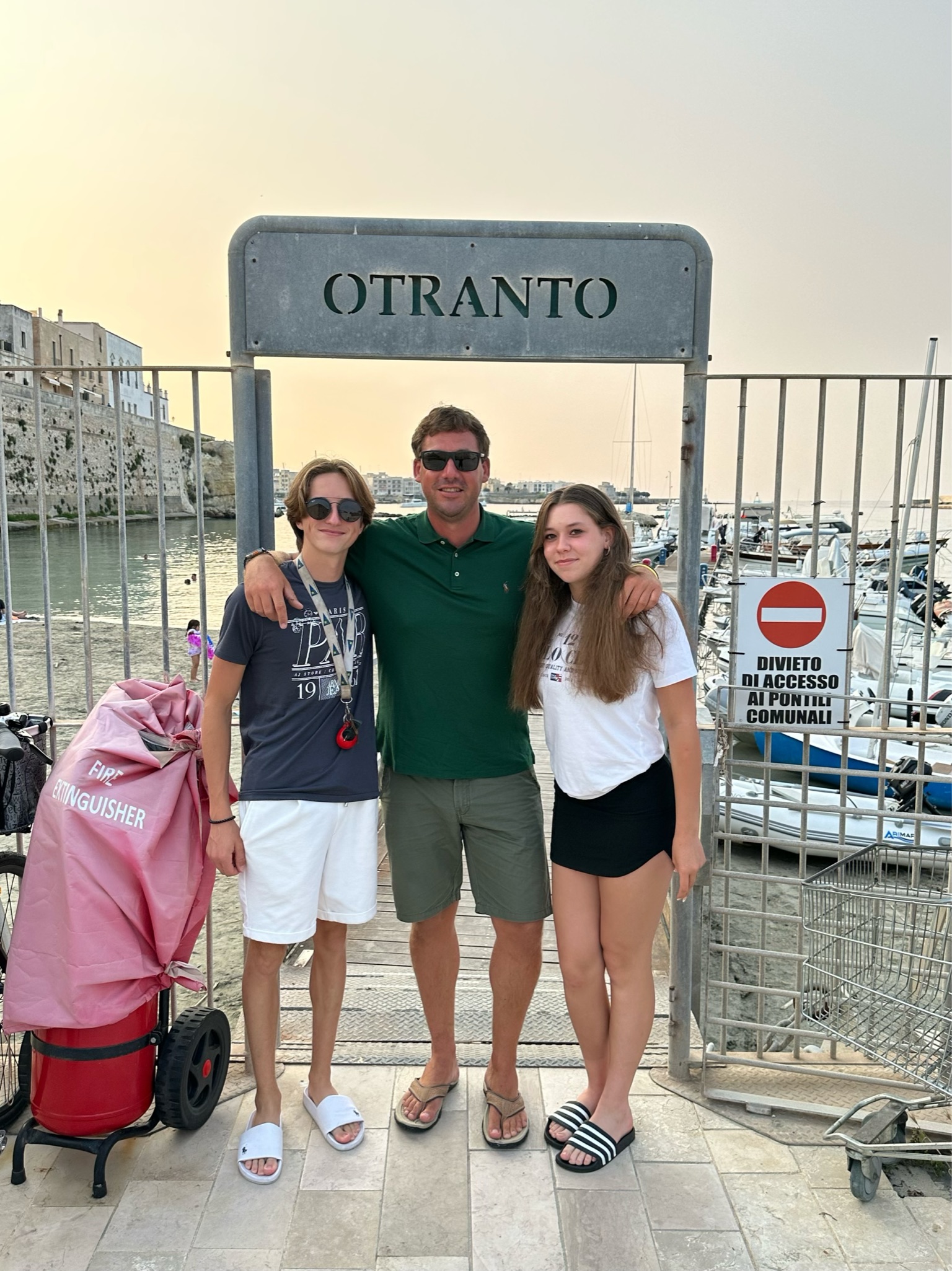
Wonder and Céline have known each other since they were four years old. They sat next to each other in the kindergarten, lost each other for a few years the way children do when families move places and schools change, and then found each other again, because that is what Wonder and Céline have always done.
They lose each other for a while and then find each other again, always at the point where one of them is about to do something the other one recognises as interesting. The finding back is never a surprise. It feels more like the tide: it goes out and then it comes back, and you never really worry about whether it will.
Wonder has been coming aboard for as long as I can remember. Not as a guest. As the person who showed up when the boat was going somewhere and who made himself useful before anyone asked him to because that is the specific quality that Wonder has always had: he reads the situation, understands what is needed, and does it without the production that the self-conscious person makes of the contribution.
On a sailing boat this quality is the quality that experienced sailors spend years trying to develop in the new crew members who have to be told three times before they understand that the line needs to be on the cleat before the boat reaches the dock. Wonder understood this at the age at which most children are still figuring out how shoelaces work.
A Freshwater Sailor Who Found the Sea
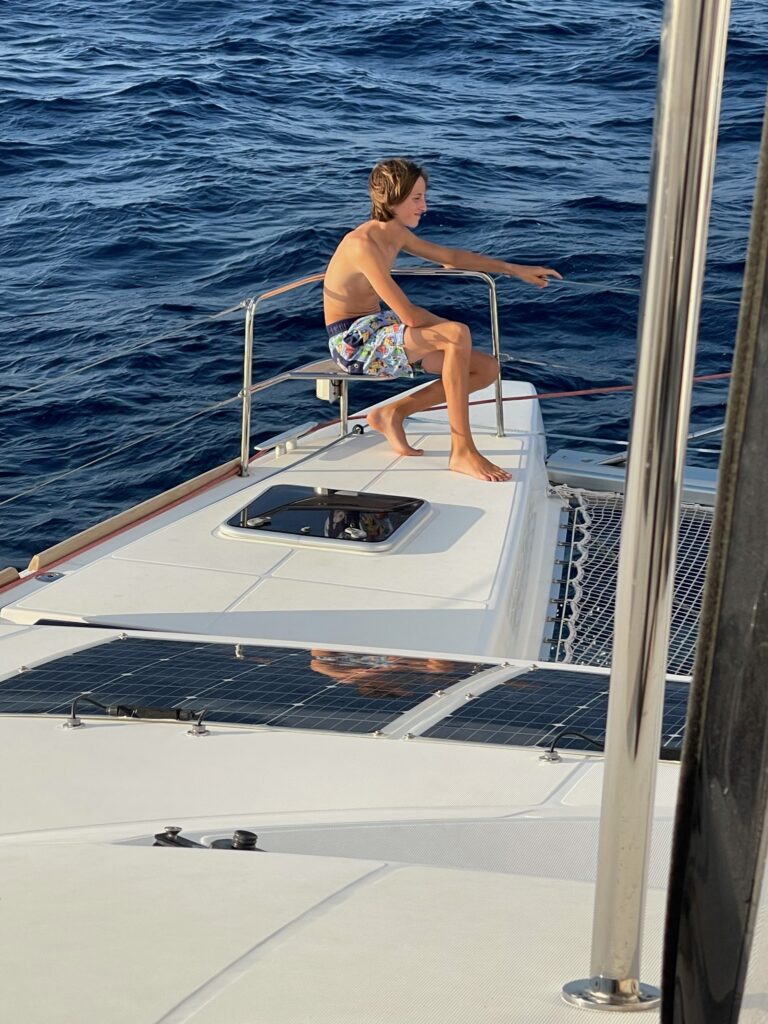
The honest description of Wonder’s early sailing life is the description of someone who learned everything about boats on the water and nothing from a classroom. Not because the classroom was unavailable but because the boat was always more interesting.
He was what the sailing community calls a “zoetwatermatroos” or a freshwater sailor, the person who knows the lake and the river and the protected inland water and who has not yet been tested by the thing that separates the recreational sailor from the offshore sailor: the open sea in conditions that the weather did not promise.
The first time Wonder came offshore with us in real conditions, I watched him from the helm and waited for the specific moment that the first offshore passage produces in most people: the moment when the boat starts moving in the way that the flat water never moves and the body receives the information that this is different from everything it has done before.
Some people go quiet. Some go below. Some discover that they are not seasick and are surprised by their own relief. Wonder looked at the horizon, looked at the sail, looked at the compass, and asked me what he could do. He was not performing the calmness. He was calm. The boat was moving and there was work to do and he wanted to know what the work was.
That was the last time I thought of him as a “zoetwatermatroos”. He has done the miles!
Eighteen Years Old and More Miles Than Most
Wonder is eighteen. He has more offshore miles on his record than the majority of the sailors you will find at the pontoon in any Mediterranean marina, the weekend sailors and the charter sailors and the people who have been going back to the same bay for twenty summers and who know that bay very well and the open ocean not at all. Wonder knows the open ocean.
He knows it in the specific way of the person who has been in it in conditions that required something of him and who came out the other side having given what the conditions required.
He knows how a boat moves. Not in the theoretical sense of the person who has studied it: in the physical sense of the person whose body has learned the boat’s language through the hours of being on it in all conditions. He knows what the slight change in the boat’s motion means before the instrument confirms it. He knows what the sound of the sail in the dark tells about the wind shift before the watch captain calls it. He knows where things are, what they do, and what needs to happen when the situation asks for the quick response rather than the considered one.
These are the things you cannot teach in a marina. You learn them on the water, in the weather, across the miles.
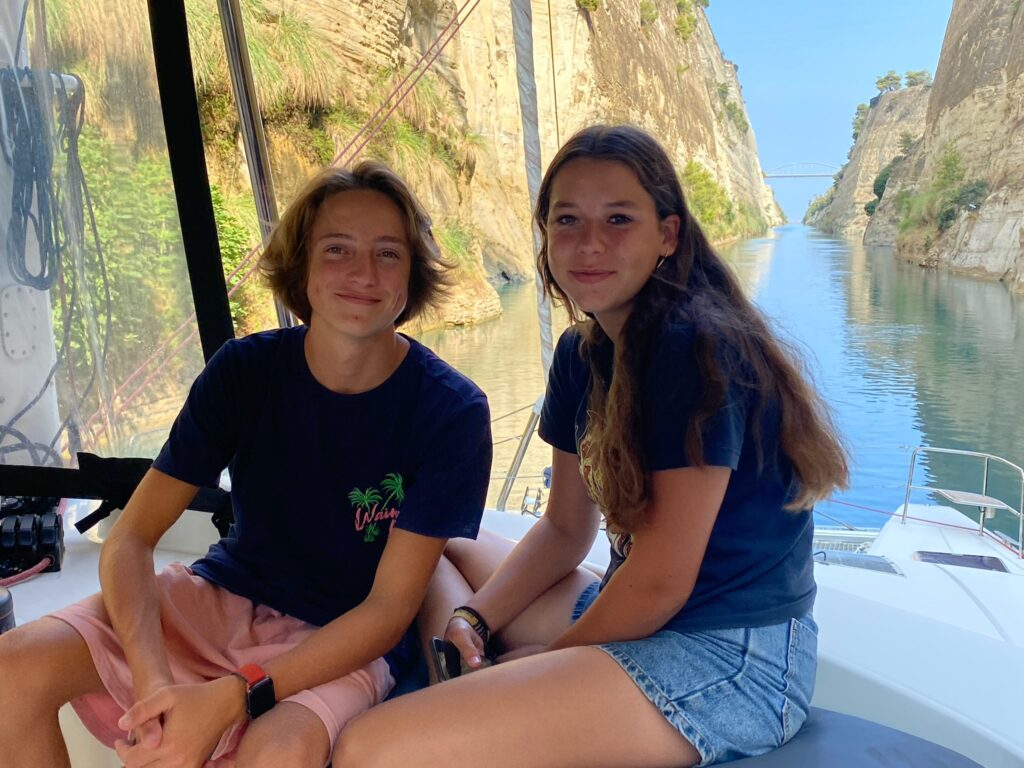
What Wonder Is on the Boat
The best way to describe Wonder’s role is the role that the experienced offshore sailor values above almost every other: the person who understands what the boat needs and the group needs simultaneously and who moves between both without being asked and without making it about themselves.
On a twelve-person vessel on a long passage, this is the specific quality that separates the crew that functions smoothly from the crew that requires management. Wonder does not require management. He manages himself, and in managing himself he makes everything around him slightly easier for everyone else.
He is a “manusje van alles” in the specific sense of the person who is genuinely good at many things and who applies whatever is needed without the ego that the generalist sometimes brings to the specialist’s work. He is on deck when the deck needs someone.
He is in the galley when the galley needs a hand. He is at the bow when the anchor is coming up and at the stern when the lines need to be handled and at the helm when the helmsman needs relief. He fits in the group because he is genuinely interested in the group, in the people who make it up, in the dynamic it creates, in the specific quality of the offshore community that assembles itself around the boat and the passage and the shared experience.
Birthdays at Anchor and the Boy Who Goes Up the Mast
We have celebrated birthdays on the boat. Wonder’s among them, and mine, and those of the people who happened to be aboard at the right time of year and who discovered that a birthday at anchor in the right bay is the birthday that the cake and the candles and the restaurant table cannot compete with. hem.
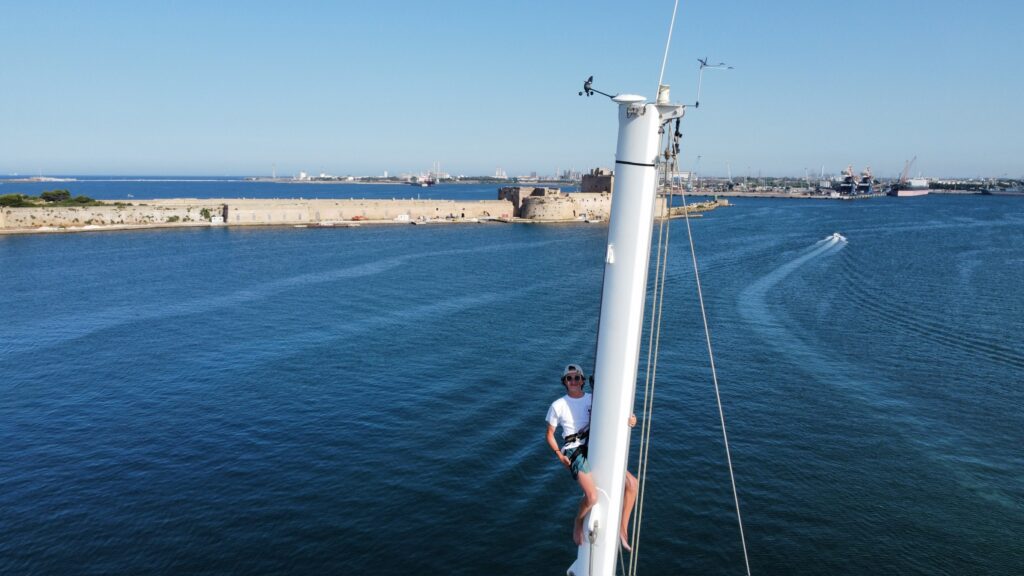
Wonder has also gone up the mast. This is the specific task that reveals a great deal about a person in a short amount of time: the bosun’s chair, the halyard, the thirthy metres of mast above the deck, and the ocean visible in every direction from the top. Some people who agree to go up discover at the moment of leaving the deck that this was a mistake.
Some go up and find the view and forget the height. Wonder goes up because something needs to be done at the top and going up is the way to do it. The instruments need checking. The halyard has a knot. The windex needs replacing. The reason changes.
The outcome is the same: Wonder in the chair, moving up the mast without drama, doing the thing at the top that needs to be done, and coming back down the same way he went up, as if going thirty metres into the air above the moving boat in the wind is the most natural extension of the task that needed doing and not, as it clearly also is, something that requires a specific quality of composure that not everyone brings to the bosun’s chair.
These are the small moments that build the picture of who someone actually is on a boat. Not the dramatic ones, the heavy weather, the difficult manoeuvre, the passage that asked more than expected. The small ones: the birthday that nobody had to organise because the offshore context organised it on its own, and the mast that needed to be climbed and was climbed because it was there and the task was real. Wonder collects these moments the way the offshore sailor collects miles. Quietly, without announcement, across the years of showing up and doing what the boat needs.
He Will Be There
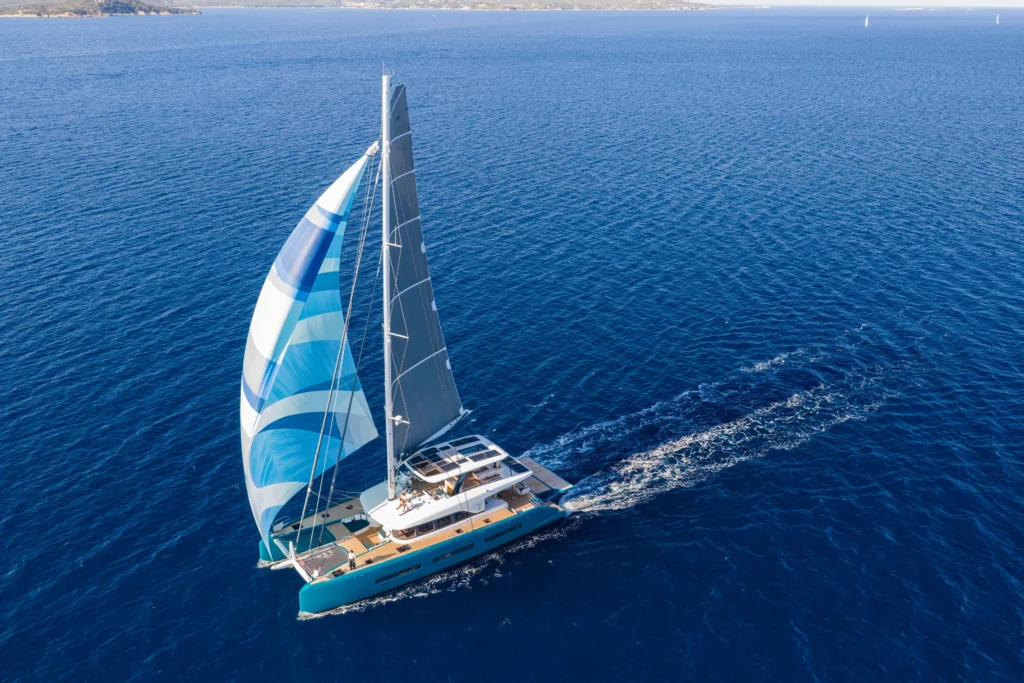
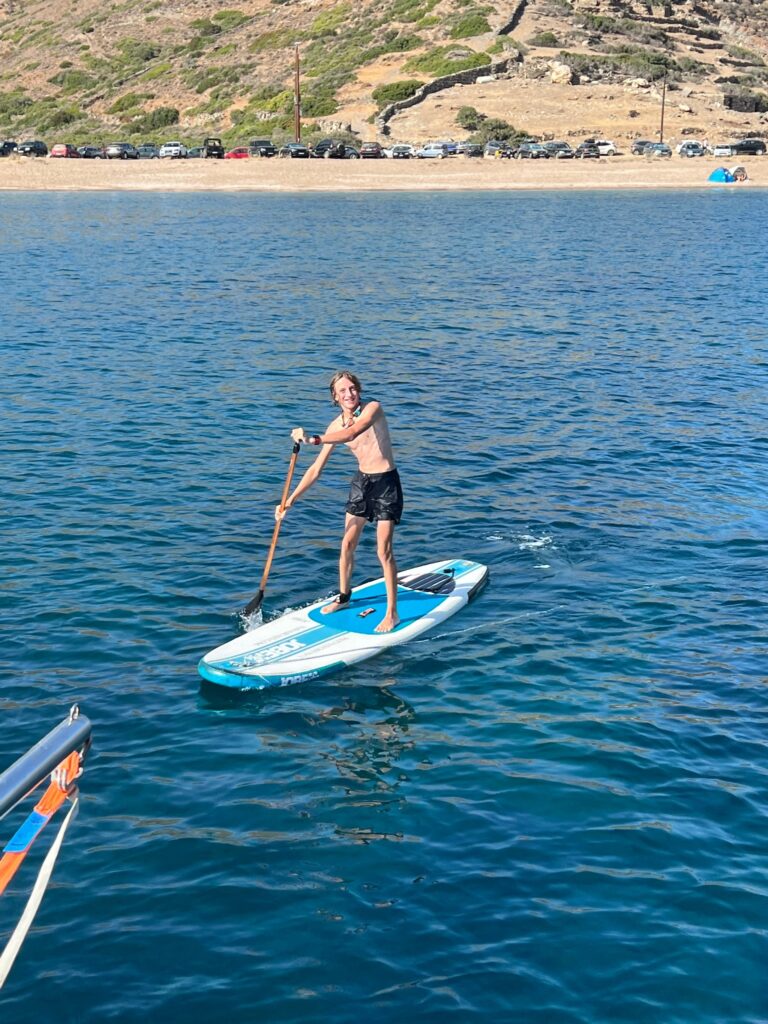
Wonder will be on some of the Naora legs. I do not know which ones yet. The circumnavigation is five years and the schedule is what the ocean and the wind and the lives of the people involved make it. But I know that when the Eighty2 is in the right ocean at the right time and Wonder is available and free from school and the tide is right, he will be there. He always has been.
The members who are aboard on the legs where Wonder is crew will have the specific experience of the offshore sailing life that the best crew makes possible: the passage that runs smoothly not because nothing goes wrong but because the person who handles what goes wrong does it before it becomes the thing everyone is talking about.
The anchorage that is properly set because someone checked it twice. The watch handover at three in the morning that goes smoothly because the person coming on watch already knows what the night has been doing and what needs attention.
I have known Wonder since he was four years old. He is one of the best people I know on a boat. He is also one of the best people I know. Those two things are not separate facts about him. They are the same fact described from two different angles.