The first thing most people do when they arrive on a sailing boat for the first time and are shown to their cabin is go to the bathroom, turn on the tap, and wait to see what happens. The expectation, shaped by every hotel and house they have ever been in, is that adequate pressure will arrive immediately and that it will be there for as long as they want it. On a badly designed or under-maintained sailing boat, neither of these things is guaranteed. On the Eighty2, both are.
At home, the water pressure at the tap comes from the municipal water supply: a network of pipes under pressure from the water tower or the pumping station that the water company maintains. The tap opens and the pressure that was already there pushes the water out. On the Eighty2 at anchor in the Tuamotu, there is no municipal supply.
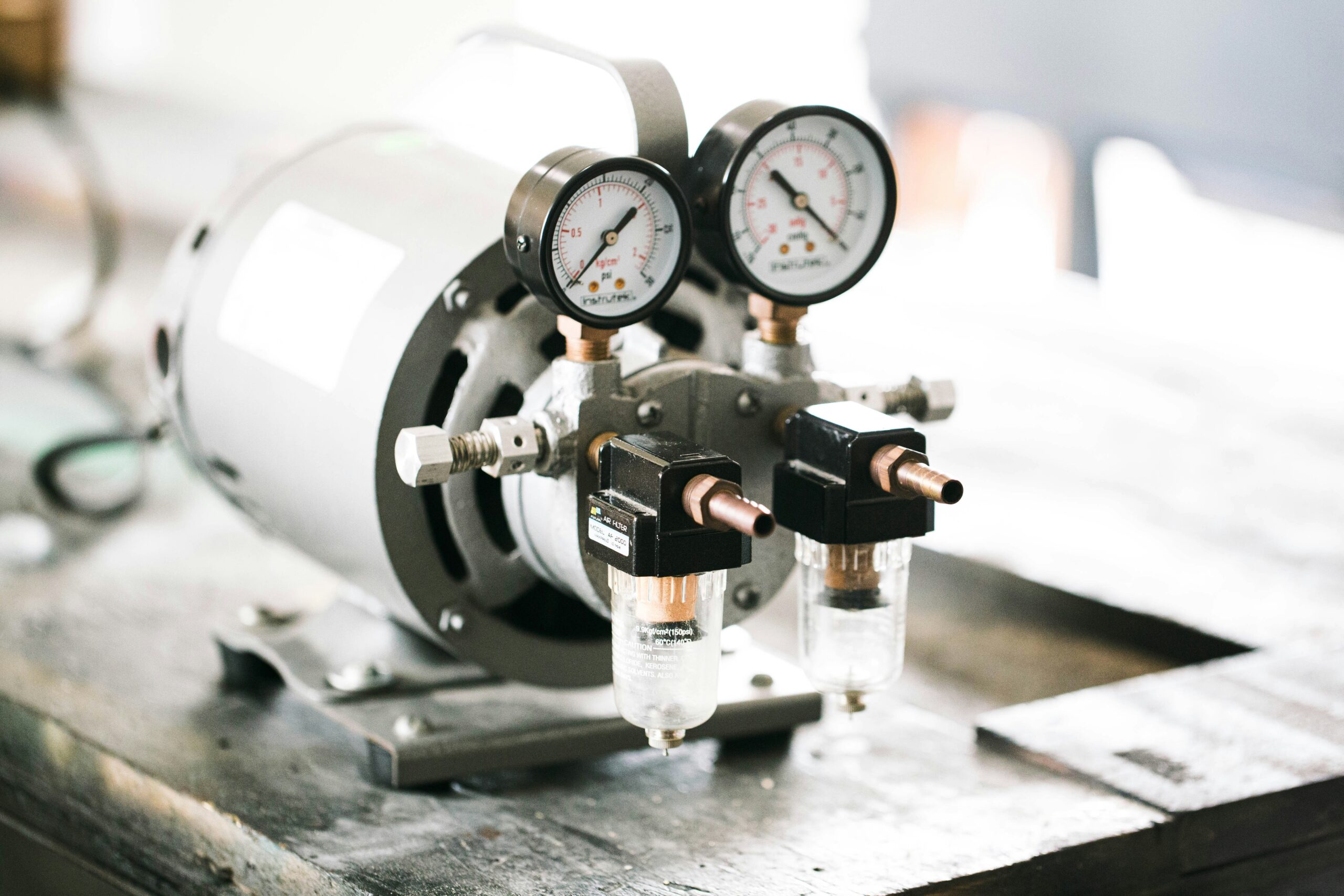
There is a tank of fresh water produced by the watermaker, and between the tank and the tap there is a pressure pump that creates the pressure the tap needs. The pump is controlled by a pressure switch: it runs when the pressure in the pipes drops below the lower threshold, and it stops when the pressure reaches the upper threshold. Open a tap, the pressure drops, the pump starts. Close the tap, the pressure builds, the pump stops.
The Accumulator Tank
The problem with the simple pressure pump system is that it cycles rapidly every time water is drawn in a small quantity. Open the tap briefly to rinse a cup, the pump starts, the cup is rinsed, the tap closes, the pump stops. Thirty seconds later, the same thing. A hundred times a day. Pumps that cycle this frequently wear out quickly and produce an uncomfortable pulsing pressure at the tap — the pressure falls and rises with every pump cycle rather than remaining steady.
The accumulator tank solves this. It is a small pressure vessel — a metal cylinder with a rubber bladder inside dividing it into two chambers. One chamber contains pressurised air. The other is connected to the water system. When the pump runs and pressurises the water system, the water side of the accumulator fills and compresses the air on the other side, storing the pressure energy in the compressed air.
When the tap is opened, the compressed air pushes the water out through the tap before the pressure drop is large enough to trigger the pump. The tap flows at steady pressure. The pump does not start for every small draw. The accumulator is the buffer that absorbs the small draws and lets the pump work at the larger, less frequent intervals that are better for both the pump and the experience of the person at the tap.
Hot Water From the Engine
The hot water on the Eighty2 comes from a calorifier — a hot water storage tank that is heated by two sources. The primary source is the engine cooling circuit. When the diesel engines run, they generate heat that needs to be removed to prevent overheating. Most of this heat goes to the seawater cooler that the cooling system uses.
A portion of it passes through a heat exchanger inside the calorifier, heating the domestic water stored there from the engine’s waste heat rather than from additional energy input. The engines ran during the arrival passage. The hot water is ready when the anchor is set.
The secondary source is the electric immersion element, the same technology as the household hot water cylinder, that heats the calorifier from the 230V AC supply when the generator is running or shore power is available. The two sources work independently. If the engines have not run for a day and the generator is not on, the water in the calorifier gradually cools toward ambient temperature. If the engines ran that afternoon, the water is hot regardless of whether the generator is on.
The member who showers in the morning of the first anchorage day, with the engines having run for the passage, has hot water at adequate pressure in the specific combination that the calorifier and the pressure pump and the accumulator produce together. None of it is complicated. All of it was thought about before the boat was built.