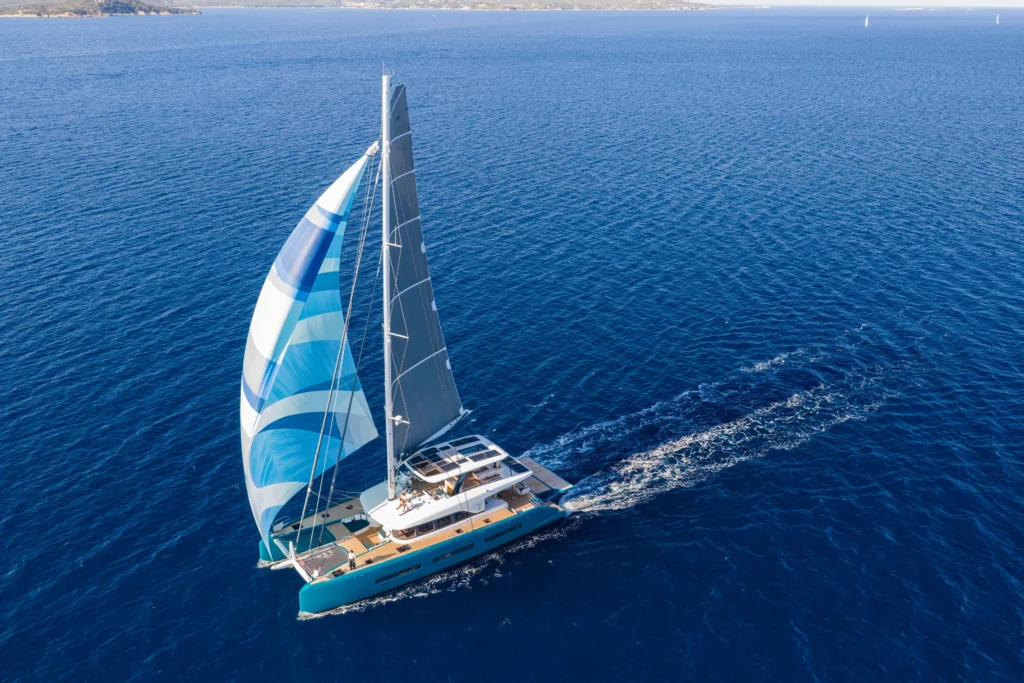
Imagine cycling on a calm day. There is no wind. You are cycling at twenty kilometres per hour and you feel twenty kilometres per hour of wind in your face, entirely generated by your own movement through the still air. Now imagine the same cycling with a ten-kilometre-per-hour tailwind. You are cycling at twenty kilometres per hour with a real wind of ten kilometres per hour pushing you from behind.
What do you feel on your face? Ten kilometres per hour of headwind, the twenty from your movement minus the ten from the tailwind pushing in the same direction. The real wind is ten kilometres per hour behind you. The wind you feel is ten kilometres per hour in front of you. They are different winds describing the same atmosphere from two different perspectives.
This is apparent wind versus true wind. True wind is the wind as the stationary person on the beach experiences it, what the atmosphere is actually doing. Apparent wind is the wind as the moving boat experiences it, the combination of the true wind and the headwind the boat’s own speed creates.
On a sailing boat these two descriptions of the same wind are both important and for different reasons, which is why the Eighty2’s instruments display both simultaneously and why the conversation on the watch between the helmsman and the navigator involves both numbers without anyone thinking this is unusual.
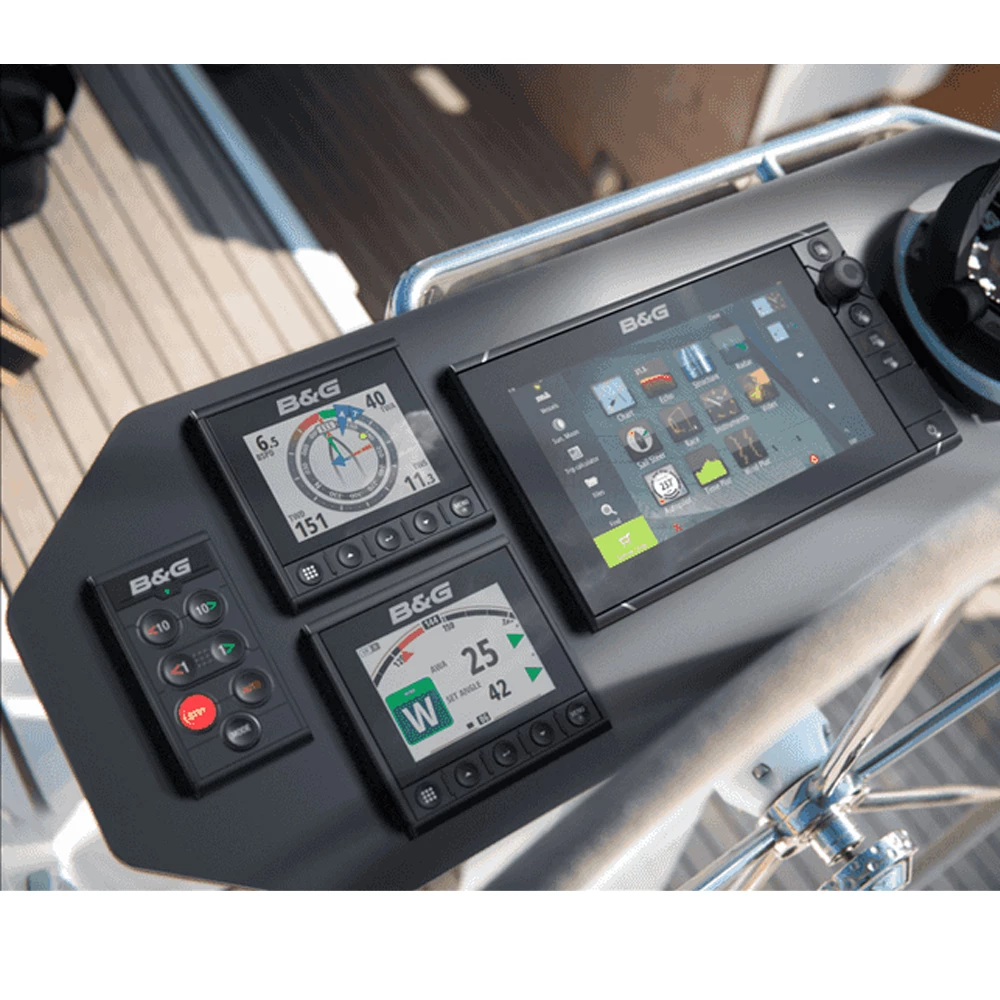
Why Both Numbers Matter
The sail trim, the specific angle and tension of the sails that makes the boat move most efficiently — is determined by the apparent wind. The sail does not know what the atmosphere is doing. It only knows the wind that is arriving at its surface, which is the apparent wind.
Trim the sail to the apparent wind angle and the boat goes fast. Trim it to the true wind angle and the sail is wrong, the boat is slow, and the crew is confused about why. Every experienced racing sailor trims to the apparent wind automatically. It is the wind that matters for the immediate task of making the sail work.
The route planning and the weather analysis use the true wind. The meteorologist’s forecast describes the true wind, the wind in the atmosphere, not the apparent wind that varies with every boat’s different speed and direction. When I’m planning the approach to Gibraltar or the departure timing from the Canaries, I am reading the true wind from the forecast and thinking about where the boat needs to be in relation to the pressure systems to find the wind he wants.
The apparent wind on that day will be whatever the true wind and the boat’s speed produce together.
The specific moment this distinction matters most practically is the downwind sailing in the trade winds. The Naora boat running before the northeast trade wind in the Atlantic at eight knots with a true wind of twenty knots behind it experiences an apparent wind of twelve knots, the twenty true minus the eight of the boat’s own speed.
The crew member from the watch below who comes on deck and looks at the apparent wind reading of twelve knots and feels twelve knots of wind has the impression that the conditions are moderate. The member who knows to look at the true wind reading understands that twenty knots of real atmosphere is moving the boat, and that if anything reduces the boat speed, a sail problem, a course change that puts the wind on the beam, the apparent wind will jump immediately toward the full twenty knots and the conditions will feel entirely different.
The distinction between the two numbers is the specific knowledge that prevents surprise.