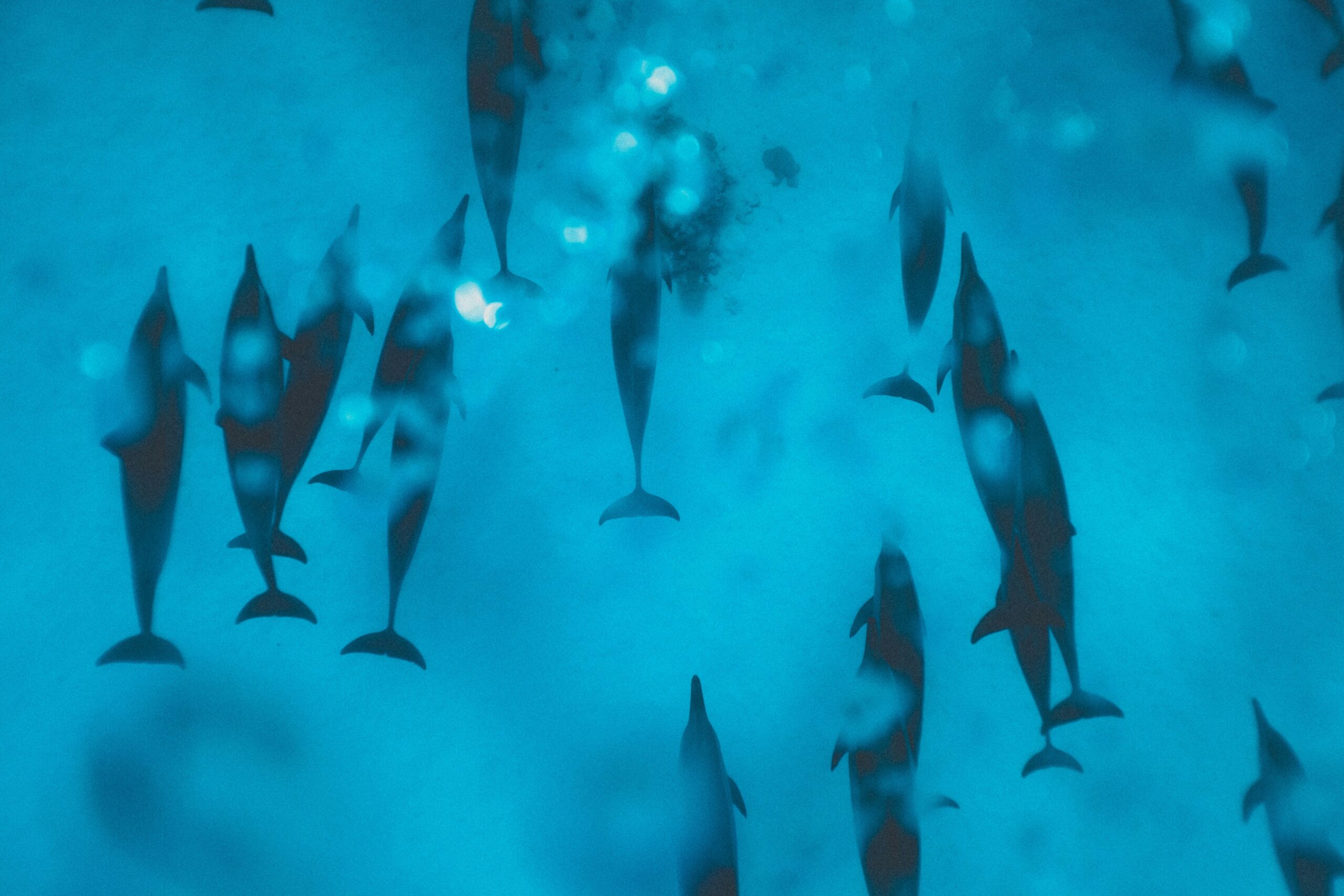
The Brothers Islands are seventy kilometres from the Egyptian coast. There is no road to them, no ferry, no shore-based dive centre that can put a diver in the water there. The access is the liveaboard vessel: the dive boat that is willing to cover the seventy kilometres of open Red Sea to reach the site and to stay at the site for long enough to dive it properly rather than visiting it on the day-boat schedule that arrives at nine and departs at four.
The Naora boat covers the seventy kilometres as part of the route rather than as a specific excursion to a dive site, and at the Brothers Islands it anchors and stays for as long as the programme requires and the conditions allow.
The anchoring at the Brothers Islands is the specific anchoring that the offshore reef requires: not in the coral, which the Naora anchor protocol explicitly prevents, but in the sand channel between the two islands where the anchor finds the holding without the coral damage that the lazy anchoring produces on the reef sites that every boat visits and that the reef damage index of the most popular dive sites reflects. The mooring buoy when available.
The sand anchor when the buoy is occupied or absent. The anchor brief before the drop that confirms the bottom type and the depth and the wind and the swing circle that will keep the boat off the reef in the conditions the Red Sea’s specific wind pattern produces.
The Wall and the Species
The Brothers Islands wall begins at the surface and drops to the abyssal plain at a depth that the recreational dive computer does not need to know because the interesting section of the wall is between five and forty metres: the coral structure that the Red Sea’s specific chemistry produces at these depths, the species that the offshore location and the deep water column attract in the density that the inshore sites do not replicate. The hammerhead sharks on the deeper section of the wall in the early morning, moving in the current that the site’s offshore position generates.
The grey reef sharks at the mid-water depth throughout the day. The oceanic white-tip that the Brothers site is specifically famous for among the serious Red Sea divers: the pelagic shark that the offshore location attracts and the inshore sites do not see because the oceanic white-tip is an oceanic species that the shallow inshore water does not provide the conditions for. The Napoleon wrasse at the cleaning station at twelve metres. The specific Red Sea coral species that the site’s protection from the tourist boat pressure has maintained in the condition that the more accessible sites have lost.
Three dives per day at the Brothers: the morning dive when the pelagics are most active, the afternoon dive when the coral reef community provides the colour and the diversity, and the night dive when the site reveals the species that the day hides. Full tanks from the onboard compressor for each. The site is the site that the seventy kilometres from the shore and the offshore boat at anchor make available. Everything else is the reef.