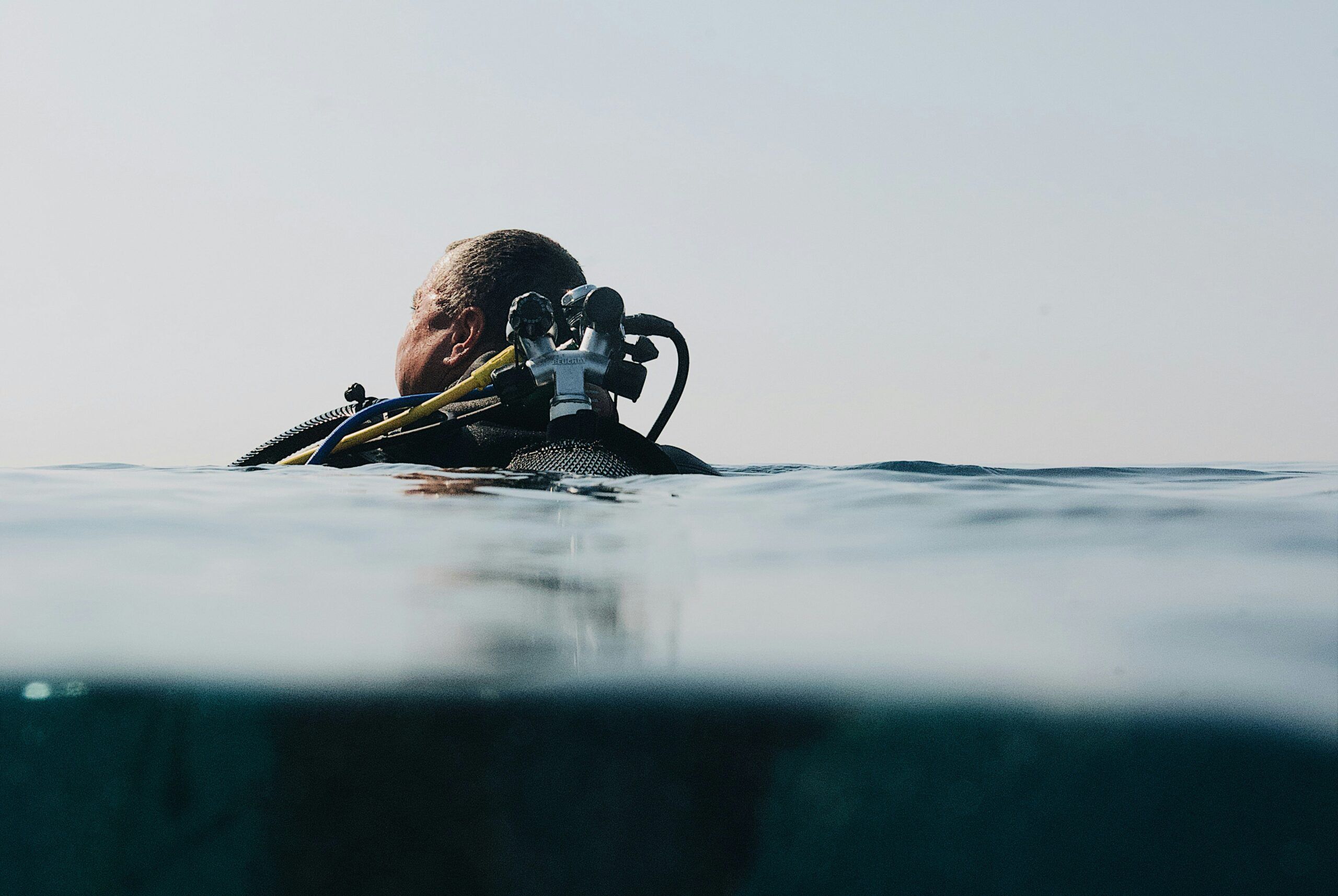
The conventional offshore sailing boat that carries scuba divers carries a fixed number of tanks and a fixed amount of air and a fixed number of dives that the tanks allow before the boat needs to return to the shore dive centre to fill them.
This is the arithmetic that constrains the dive programme of most offshore sailing voyages: the dives are rationed against the fill capacity, the remotest sites are inaccessible because the distance from the fill centre exceeds the round-trip range of the available air, and the dive programme is organised around the location of the compressor rather than the location of the dive sites.
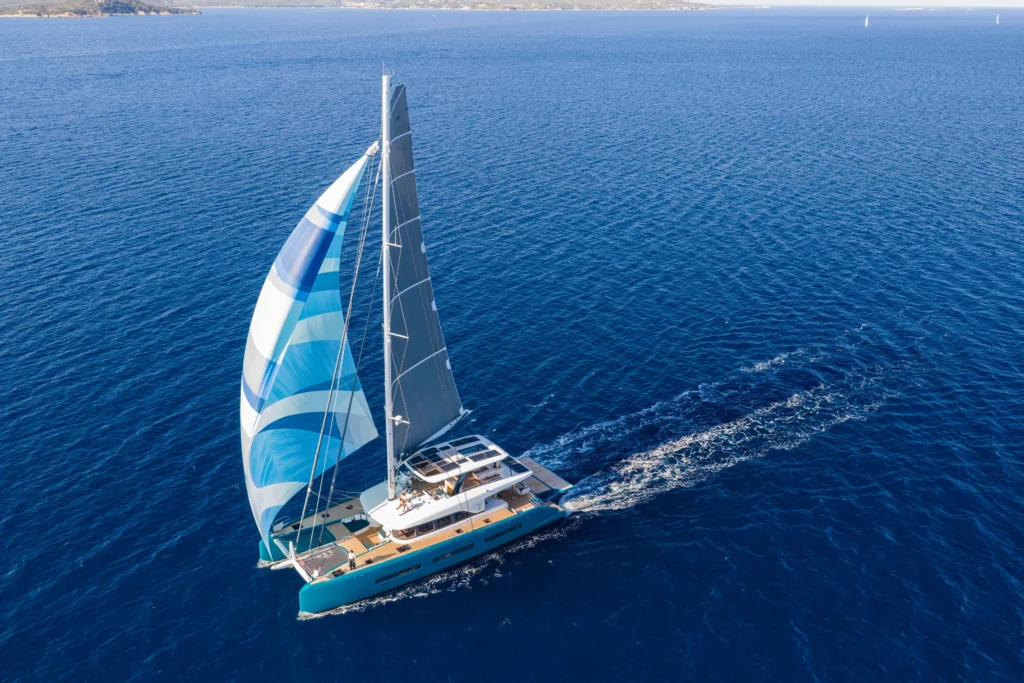
The Eighty2 has a 300-bar compressor aboard. The arithmetic changes completely. The tanks are filled from the boat, at anchor, wherever the anchor is set: the Brothers Islands in the Red Sea, seventy kilometres from the nearest shore infrastructure. The outer Tuamotu atolls, four hundred kilometres from Papeete. The Banda Sea seamounts that the liveaboard dive fleet visits from Ambon and that the Naora boat can visit from its own anchor.
The compressor runs from the vessel’s electrical system in the afternoon, when the day’s diving is done and the tanks are empty and the solar array and the generator have the capacity to power the fill. By the following morning the tanks are full. The dive programme begins again from full.
DIN and International Connections
The compressor fills DIN valves and international valves. This matters across a circumnavigation whose members come from multiple countries whose diving equipment reflects their national diving community’s standard valve configuration: the European diver whose equipment uses the DIN fitting and the American or Australian diver whose equipment uses the international A-clamp.
Both connect to the Naora fill system. The member who arrives with their own regulators and BCD from wherever they normally dive does not need to rent the local equipment or adapt to the valve standard of the local dive operation. Their equipment, their regulator, their dive computer: the Naora compressor fills the tank attached to it.
The compressor changes what the offshore dive programme is. It changes it from the programme that is possible within the range of the shore fill infrastructure to the programme that is possible within the range of the offshore boat’s anchor.
These are very different ranges. The first range puts the dive programme in the accessible tourist dive sites that every liveaboard and day-boat operation visits. The second range puts it in the sites that only a self-sufficient vessel can reach: the offshore reefs and the remote atolls and the seamounts that the tourist infrastructure does not service because the tourist infrastructure cannot get there without a vessel that carries its own fill capability.
The Naora vessel carries its own fill capability. The sites are where the tank can go and the tank can go wherever the boat can anchor.