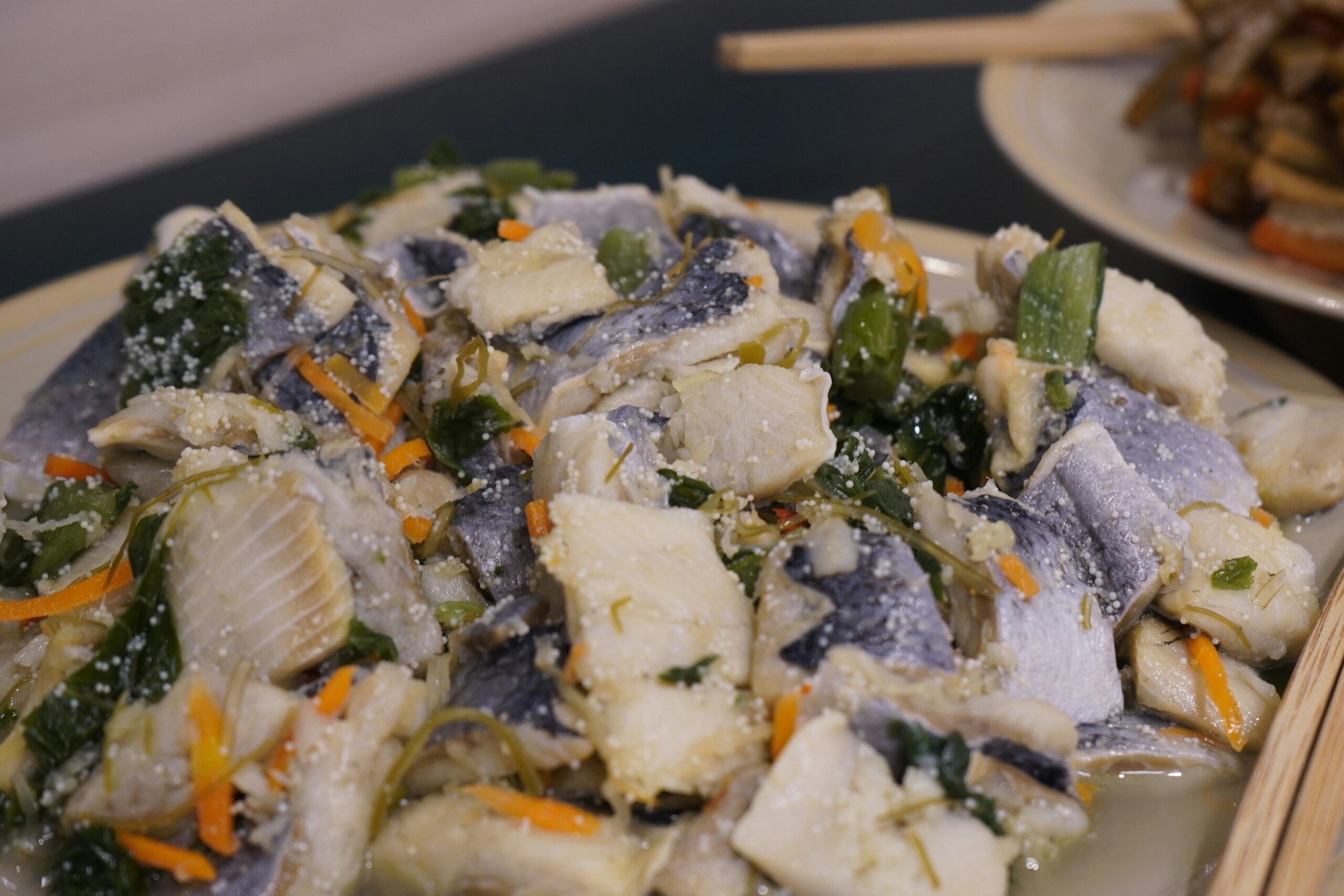
The fish that Céline or Sven freedives for in the Banda Sea provides three meals, not one. This is not the creative repurposing of the chef who has too much fish and is looking for ways to use it: it is the specific philosophy of the offshore galley that takes from the ocean only what it needs and that treats what it takes with the respect that the ocean deserves from the people who eat from it.
The nose-to-tail approach that the progressive restaurant applies to the meat animal is the approach that the offshore galley applies to the fish by necessity and by conviction simultaneously: by necessity because the fish that Céline brings aboard is the fish that the Coral Triangle provides in the quantity that the day’s protein requires, and by conviction because the person who has been swimming in the Coral Triangle before breakfast understands, in the form that the body provides rather than the mind calculates, that the relationship between the offshore sailor and the marine environment requires something more than the minimum legal standard of the fishing regulation.
The Three Meals From One Fish
Meal one is the lunch. The fillets from the fish come off the bones with the technique that Céline has learned from the fish itself: the stroke that follows the rib structure rather than cutting across it, producing the two fillets that carry the maximum meat and leave the minimum on the frame. The fillets go to the galley for the ceviche or the sauté or the crudo depending on what the day requires and what the provisioning morning’s other ingredients have suggested. This is the meal that the fish was taken for.
Meal two is the soup that the following day’s lunch produces from the bones. The fish frame the spine and the ribs and the head if the head was included in the dive’s take, which Céline’s spearfishing technique allows when the species is the right one goes into the pot with the cold water and the onion half and the celery stalk from the dry stores and the peppercorns and the white wine from the last bottle and the heat that the galley provides for thirty minutes before the stock is strained.
The stock is the foundation of the second meal: the fish consommé that the clear stock produces with the egg white clarification that the classical technique uses to remove the cloudiness that the bones’ protein produces in the unstrained stock, served with the fresh herbs from the deck pot and the toasted bread from the morning’s bake.
Meal three is the possibility meal: the specific product of the Coral Triangle fish that the Mediterranean fish does not always provide — the cheeks and the collar, the cuts that the fishmonger sets aside for the people who ask for them and that the supermarket customer never encounters because the supermarket’s processing removes them before the fish reaches the display.
The cheeks of the grouper or the coral trout are the most delicate meat on the fish: the small ovals of muscle that the jaw movement produces across the fish’s lifetime, tender in the way that the muscle that has been used rather than the muscle that has grown for the plate is tender. Two minutes in the pan with the butter and the caper from the jar and the lemon.
The collar, the bony section behind the head that carries the belly fat, grilled over high heat for six minutes and served with nothing except the salt. These are the meals that the fisherman eats and that the customer does not know to ask for and that the offshore galley produces because the fish that Céline brings aboard from the Coral Triangle is the fish that the ocean gave and that the galley treats as the gift it is.