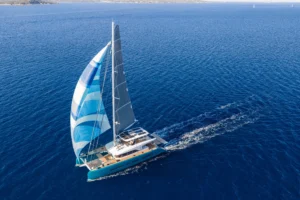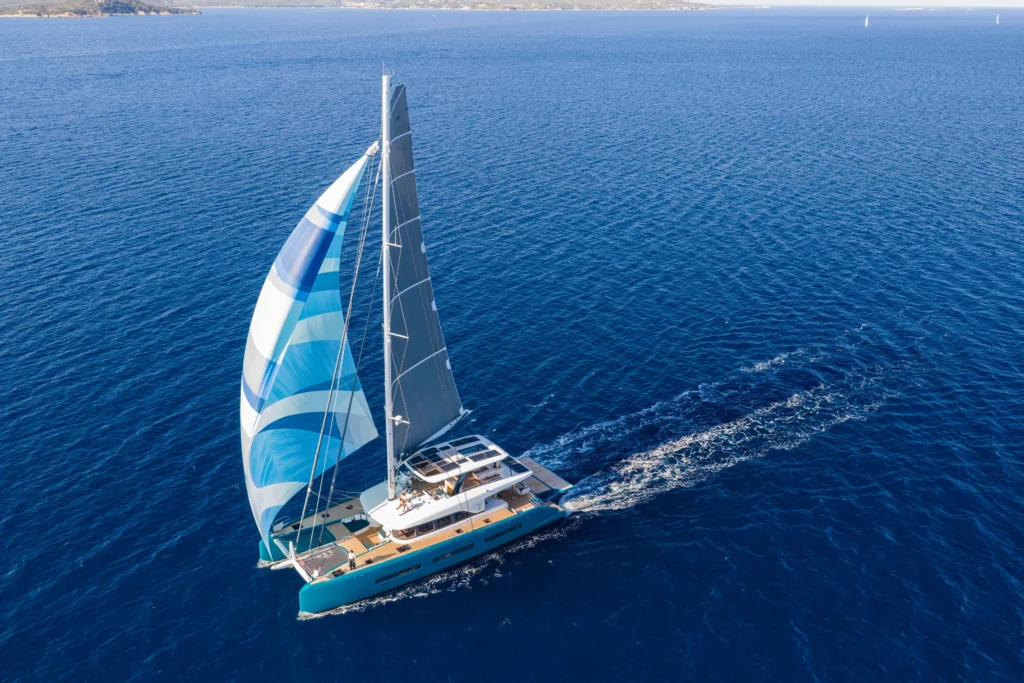
The offshore passage day is a day without a conventional lunch: the boat is moving, the crew is on watch, the galley is attended by whoever is not on watch and who has the sea legs to function in a moving kitchen without the specific discomfort that the combination of the galley’s enclosed space and the vessel’s motion produces in the person who does not yet have them.
The offshore galley has an answer to the passage day’s lunch problem and the answer is the Dutch oven: the heavy cast iron pot with the tight lid that the French call la cocotte and that the offshore sailor calls the best piece of equipment in the galley because it does the cooking while the cook does other things and it does it better than the cook who is present for every minute of the cooking could do it by attending.
The Morning Preparation
The lamb goes in before departure. The shoulder, the cut that the long cooking requires and rewards, from the Greek market in the harbour above the last anchorage: the specific Greek lamb that the Aegean island produces on the thyme and the wild oregano of the hillside and that carries the specific flavour of the herbs in the fat.
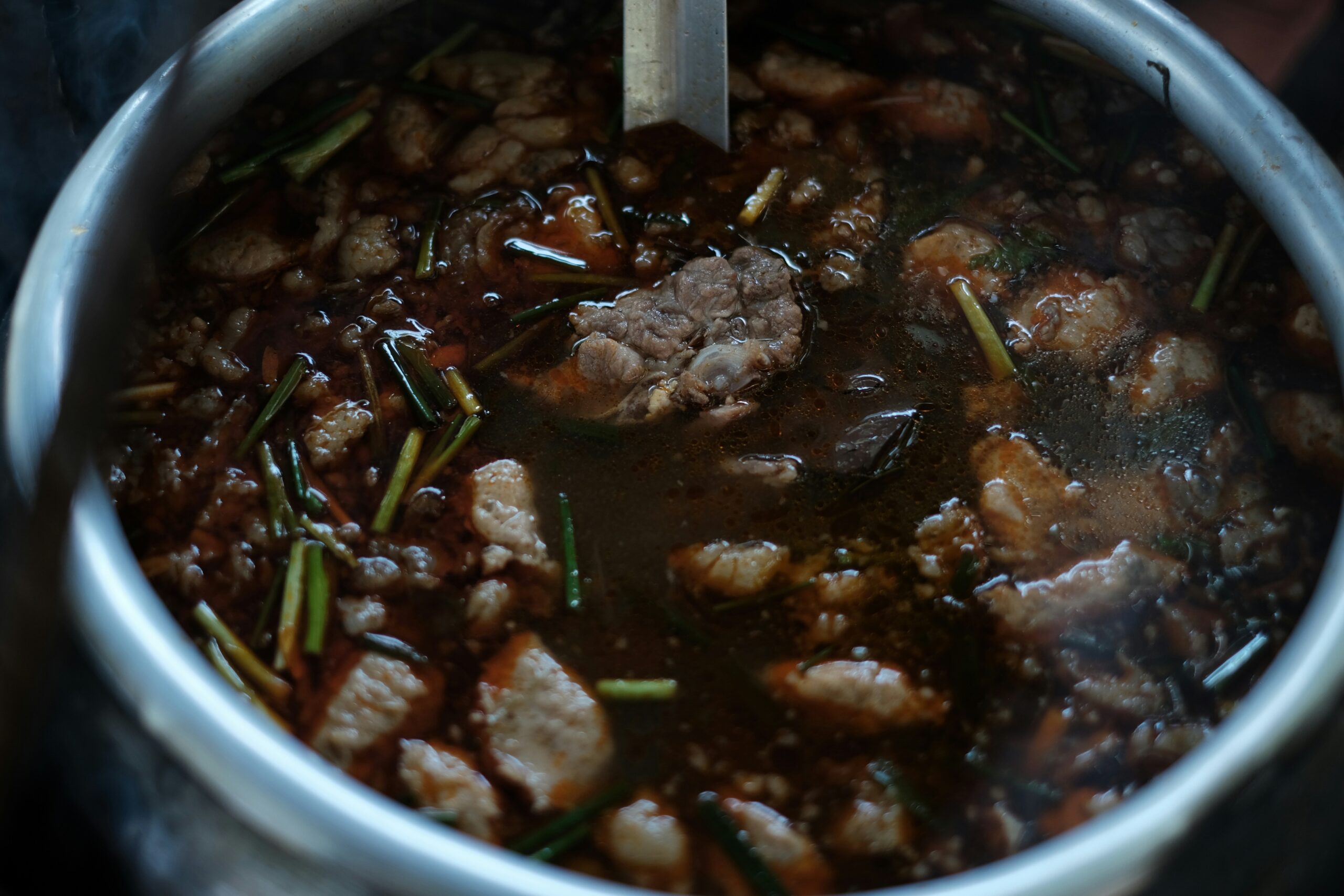
Cut into the large pieces that the Dutch oven cooking prefers too small and the meat dries before the collagen converts, too large and the outside is done before the inside follows. Browned in the oil in batches in the Dutch oven on the maximum burner, each piece getting the four-minute undisturbed crust that the Maillard reaction produces before the turning. The onion and the garlic and the rosemary and the halved tomatoes in. The red wine from the bottle that the previous evening’s Long Table left half-full. The chicken stock from the tetrapak. The lid on. The burner to the minimum that maintains the gentlest possible simmer.
The boat departs. The Dutch oven stays on the lowest burner. Six hours of the passage later, the boat arrives at the next anchorage and the anchor goes down and the Dutch oven comes off the burner and the dinner is ready.
The Taste
The lamb at the six-hour mark is the lamb that has converted all of its collagen into the gelatin that the long cooking produces: the connective tissue that makes the shoulder tough when undercooked becomes the substance that makes it silky when it is done.
The meat falls from the bone at the pressure of the spoon. The braising liquid has reduced to the consistency of a loose sauce: the wine and the tomato and the stock and the lamb’s own juices combined into the specific depth that the six hours of the low simmer produces and that the restaurant’s pressure cooker approximates and does not replicate. The Greek oregano from the dry stores goes in at the last moment, dried from the hillside above the anchorage three ports ago.
The bread from the morning. The wine that the passage day saved for the arrival. The anchor is down, the first glass is poured, the dinner is on the table. The boat sailed for six hours and came home to a meal it would not have had if it had stayed.