The offshore provisioning does not always happen in the market. Sometimes it happens at the boat: the fisherman’s vessel coming alongside at first light with what the night produced, the transaction conducted across the freeboard in the specific commerce of the sea that has been happening in the world’s offshore anchorages since before the markets existed.
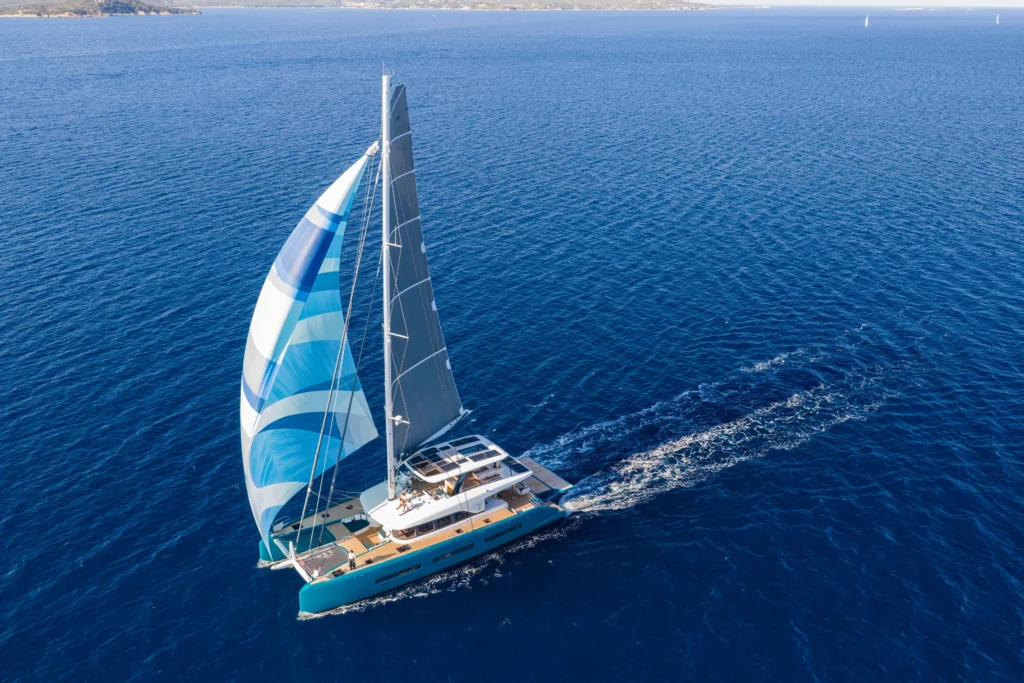
The Red Sea fisherman who came alongside the Eighty2 in the anchorage below the Brothers Islands did not announce his arrival: the sound of his outboard at idle and the knock of his hull against the fender produced the specific wake-up that the offshore sailor learns to attend to because the person who wakes up and leans over the rail might find something worth buying and the person who pulls the pillow over their head definitely will not.
He had langoustines. Not the prawns that the Red Sea shore restaurants serve to the tourist market: the langoustines, the Norway lobster in the form that the Red Sea produces them, smaller than the Norwegian version but with the specific sweetness that the warm water concentrates in the tail meat and that the cold water version produces in a different form. He had twelve. We bought all twelve.
The price was the price that the Red Sea fisherman and the offshore sailing boat establish in the specific negotiation that neither party approaches from a position of great advantage: he had the langoustines and we had the appetite and the currency, and the negotiation was over in three minutes with both parties satisfied in the way that the fair exchange of the genuinely fresh ingredient at the genuinely reasonable price always produces.
The Preparation and the Taste
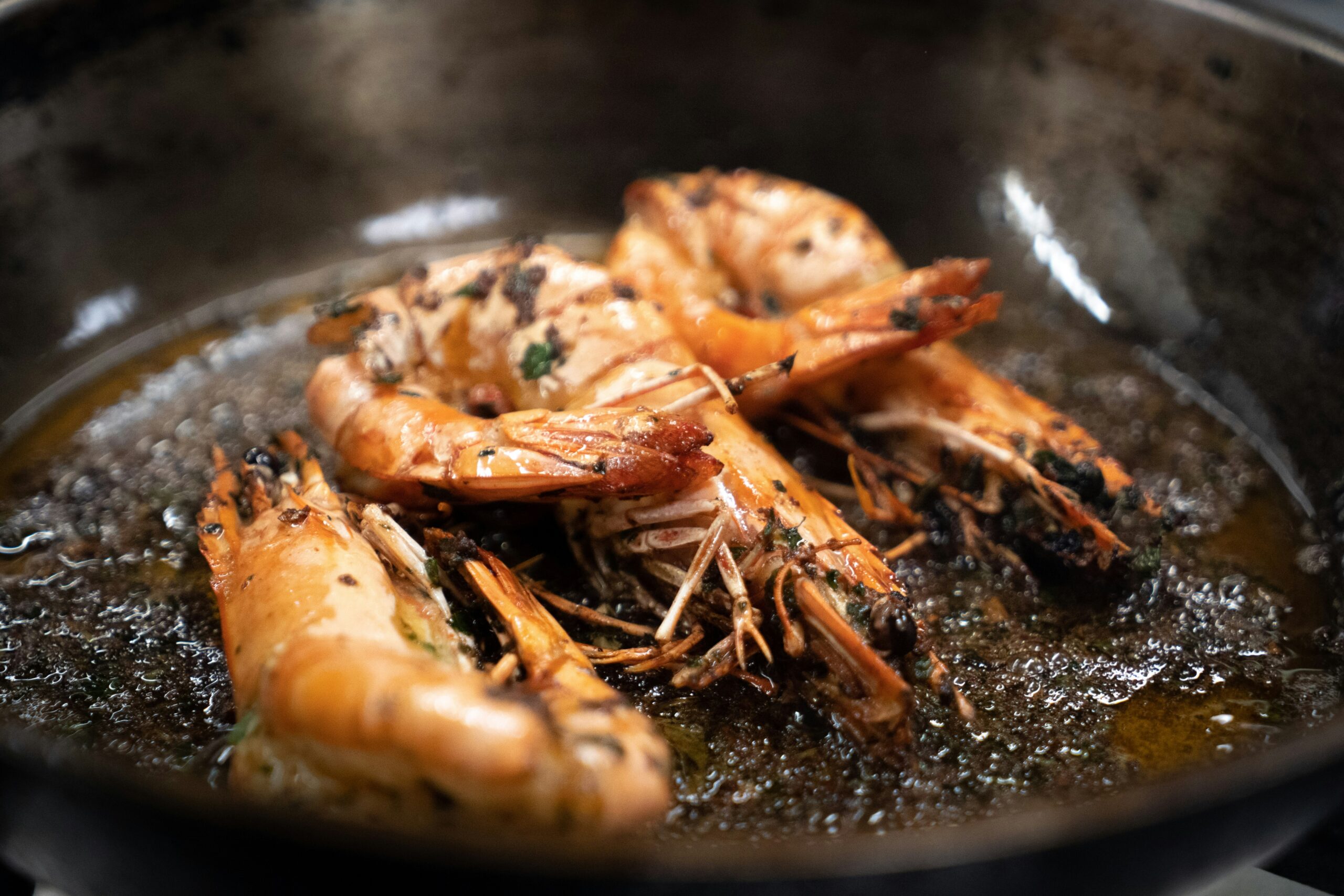
The langoustines go straight from the fisherman’s bucket to the pan. No recipe preparation, no marinade, no advance planning: the pan is the large cast iron with the butter and the garlic and the heat, and the langoustines go in split lengthwise with the scissors and placed cut side down so the tail meat gets the direct heat of the pan’s surface. Three minutes on the cut side.
The butter has browned around them and the specific sweet smell of the browning langoustine shell has moved through the boat in the way that the curry moved through it yesterday but in an entirely different direction: lighter, more oceanic, the smell of the shallow warm water that the langoustine came from arriving in the galley in the steam that the pan produces. Turned. Two minutes on the shell side. The lemon from the stores, squeezed over the pan at the last moment. The flat-leaf parsley. Onto the afterdeck table before the cast iron cools.
The taste is the taste of the thing eaten eight minutes after it was alive: the sweetness of the warm Red Sea langoustine that the three minutes of high heat has intensified rather than cooked away, the butter that the browning has made into the nutty browned version of itself that the French call beurre noisette, the lemon that lifts the richness of the butter and the sweetness of the meat into the brightness that both of them require. Eaten with the hands, the tails pulled from the shells at the afterdeck table with the Red Sea morning beginning around the boat and the Brothers Islands visible on the horizon. The coffee that was being made when the fisherman arrived is now cold. Nobody is concerned about this.