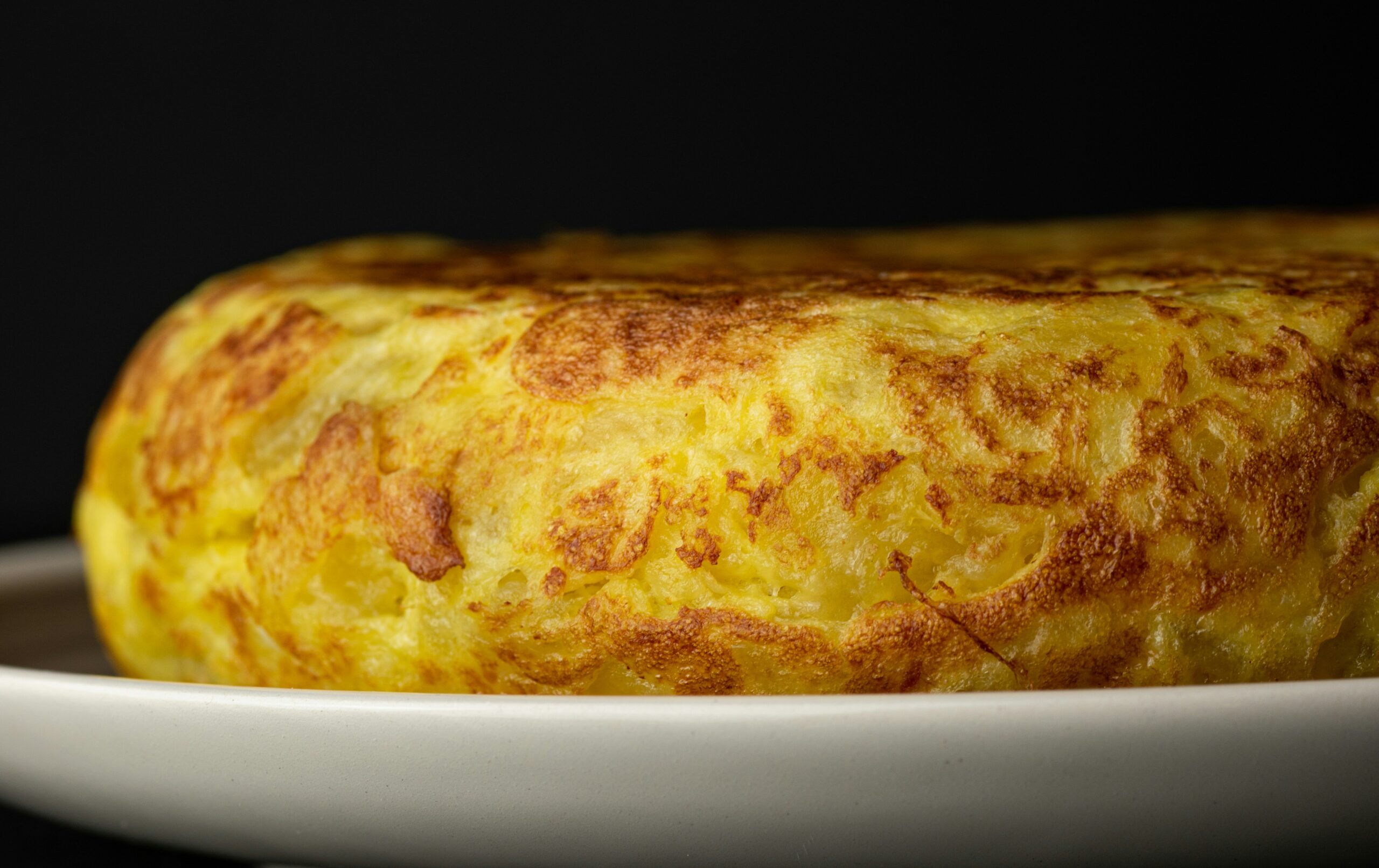
The tortilla española is the dish that the Spanish cook describes as simple and that every non-Spanish cook discovers is not simple. Not because the ingredients are complex, three ingredients, four if you count the salt, but because the technique is entirely in the time and the temperature and the patience, and the patience is the thing that the offshore galley provides in abundance and that the hurried kitchen consistently shortcuts to the dish’s detriment.
The two hours that the correct tortilla española requires are two hours of low heat, slow oil, and the specific resistance to the impulse to increase the temperature and finish it faster that the patience-requiring technique always demands. The Naora galley has the two hours. The anchorage provides the occasion.
The Preparation
The potatoes are from the Ibiza market, the specific waxy variety that the Balearic kitchen prefers and that the Spanish cook identifies by the texture of the skin rather than the label on the bin. Sliced thin, two millimetres, on the mandoline that the galley carries because the mandoline produces the consistent thickness that the tortilla requires and that the knife produces inconsistently. Into the pan with the olive oil, more olive oil than the first-time tortilla maker expects and exactly as much as the technique requires on the lowest possible heat. The potatoes are not frying.
They are confiting: submerged in the warm oil at sixty-five degrees and cooking through their own internal moisture rather than the heat of the oil’s surface. This takes forty-five minutes. The impulse to turn up the heat will arrive at minute twenty. Resist it.
The onion goes in with the potato from the beginning: sliced thin, confiting alongside the potato, becoming the specific sweet and soft thing that the long low heat produces from a raw onion and that the caramelised onion of the higher heat is not. Eight eggs, beaten with the salt. The potato and onion, drained of the oil and cooled for five minutes, go into the eggs and the mixture sits for twenty minutes while the egg absorbs the potato’s starch and the potato absorbs the egg’s protein. The pan, with the thin film of oil that the confit produced, on medium heat.
The egg and potato mixture in. The lid on. Twelve minutes. The flip onto the plate and back into the pan for the other side. Eight minutes. Done.
The Taste
The taste of the correctly made tortilla española is the taste of the specific alchemy that the two hours produce: the potato that is not cooked in the conventional sense but has been transformed by the oil and the time into something that carries the oil’s richness and the potato’s starch simultaneously, the egg that has been bound with the potato into a single texture rather than sitting alongside it in the way that the rushed tortilla produces, the onion that has lost all its raw edge and become purely sweet in the way that only the long low heat achieves.
The exterior is just set, golden where the pan’s heat touched it. The interior is soft in the specific way that the perfectly made tortilla is soft: not liquid, not runny, the way that the Spanish call jugosa – juicy – and that the English language does not have a single word for because the English kitchen has not been making tortillas long enough to need one.
Served at room temperature at the Long Table in the Balearic anchorage, cut into wedges, with the bread from the morning and the olive oil from the same market as the potatoes. The Long Table is pleased.