Day twelve of the Atlantic crossing is the day the fresh provisions are finished. Not the day they were supposed to be finished – the provisioning in Las Palmas planned for sixteen days – but the day the specific combination of the trade wind conditions and the twelve hungry sailors and the one celebratory dinner that used the fresh produce faster than the plan accounted for has produced the reality that the fresh locker is empty and the dry stores and the tins are what remain between the galley and the Caribbean that is still four days away. This is the day that separates the passage cook from the galley cook: the person who understands that the constraint is not the absence of the ingredient but the presence of the creativity that the constraint produces.
The Locker Audit
The locker audit happens every three days on a long passage: the systematic counting of what remains in each category so that the planning of the remaining days is based on the actual rather than the assumed. On day twelve the audit produces: long-grain rice in the quantity of four more days of two meals each. Eggs in the quantity of eleven, stored in the cool of the locker below the waterline where the bilge temperature preserves them.
Tinned sardines from the Canarian provisioning, six tins of the good oil-packed Portuguese variety. Dried pasta, a kilogram. Tinned tomatoes, four. The dried lentils that every offshore galley carries because the dried lentil keeps indefinitely and provides the protein that the passage requires when the fresh protein is finished. Garlic in the hanging net beside the companionway, still good. The spice drawer with everything that the provisioning accumulated across the Mediterranean legs.
The Dish and the Taste
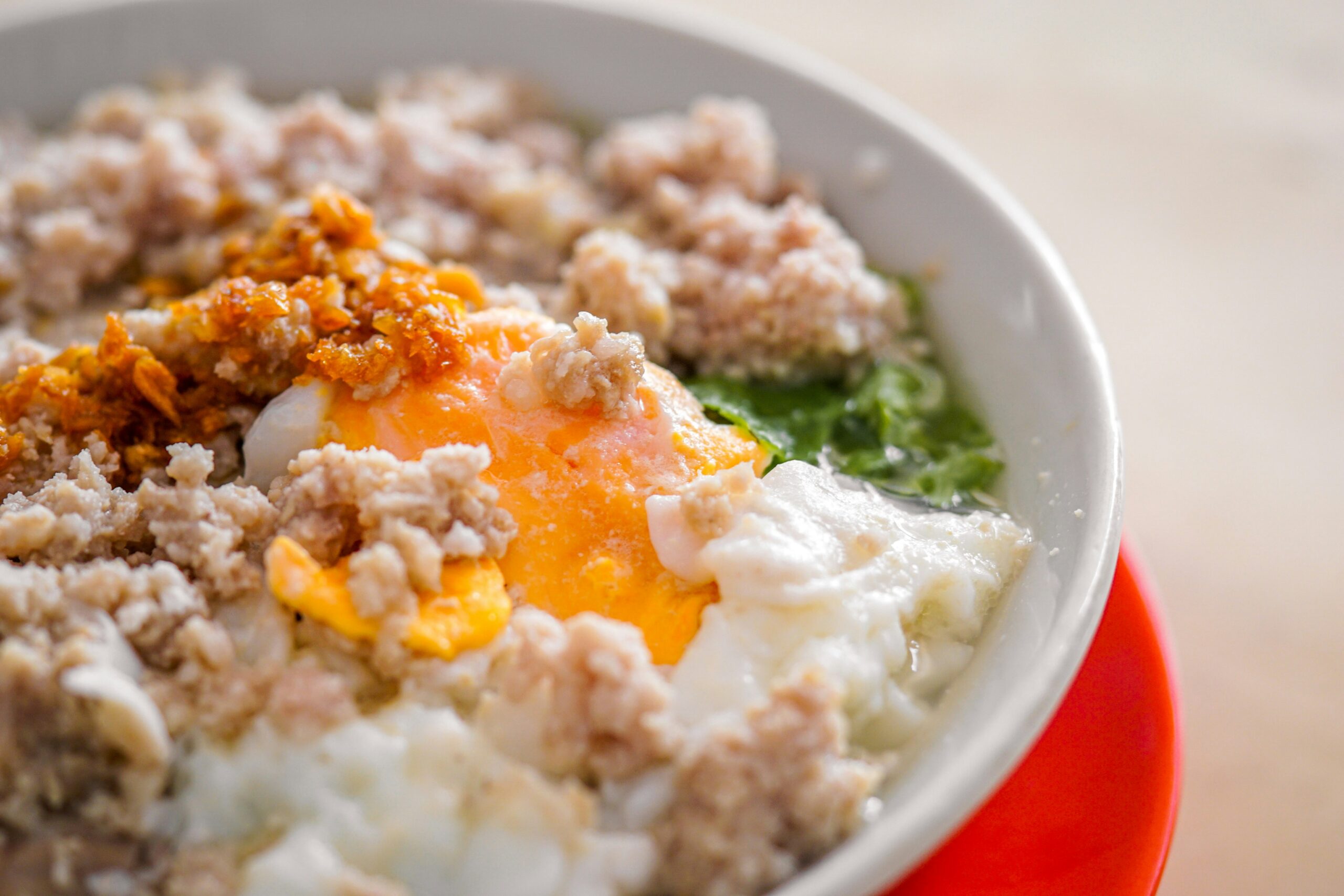
The fried rice with egg and sardine is the dish that the day-twelve locker produces with the specific logic of the passage cook who understands that the best meal from limited ingredients is not the meal that disguises the limitation but the meal that works with it directly. The rice cooked the previous evening in the pressure cooker — day-old rice fries better than fresh rice because the drying the refrigeration produces firms the grains and prevents the clumping that the fresh-cooked rice produces in the pan — is in the wok at high heat in the oil from the sardine tin.
The sardine goes in next, broken into the pieces that the high heat will crisp. The garlic, sliced thin. The eggs, scrambled directly in the wok over the rice rather than separately. The soy sauce from the Pacific provisioning stores. The chilli flakes. The spring onion from the last bunch that has been surviving in the water glass beside the portlight for a week.
The taste is the taste of the dish that the passage produces rather than the chef plans: the umami of the sardine oil that the high heat caramelises, the richness of the egg scrambled directly into the rice, the heat of the chilli and the brightness of the spring onion cutting through the richness. It is not the dish that the Long Table would order from a menu.
It is the dish that the Long Table receives on day twelve of the Atlantic crossing with the specific appreciation of the twelve people who understand that the meal exists because the chef made it from what the locker held and that the making is the specific skill that the passage cook develops and that the galley cook who always has a full fridge does not need to develop. The constraint is the teacher. The fried rice is the lesson.