The honest answer to this question has three layers: what the boat has, what the captain can do, and what happens when the situation exceeds both. All three layers deserve specific description rather than general reassurance, because general reassurance is not the same as information and the people who ask this question deserve information.
What the Boat Has
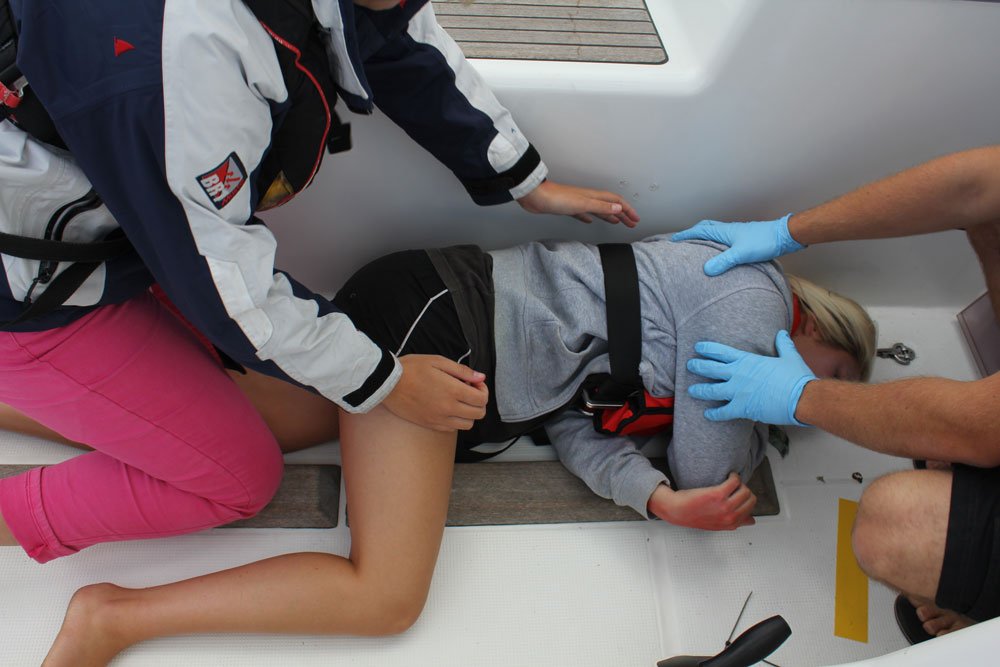
The medical kit aboard the Eighty2 is assembled specifically for the offshore context rather than from a standard first aid list. It includes prescription-strength analgesics for pain management. Broad-spectrum antibiotics for infection that in an offshore context requires early treatment rather than the watch-and-see approach that works on land with a pharmacy nearby.
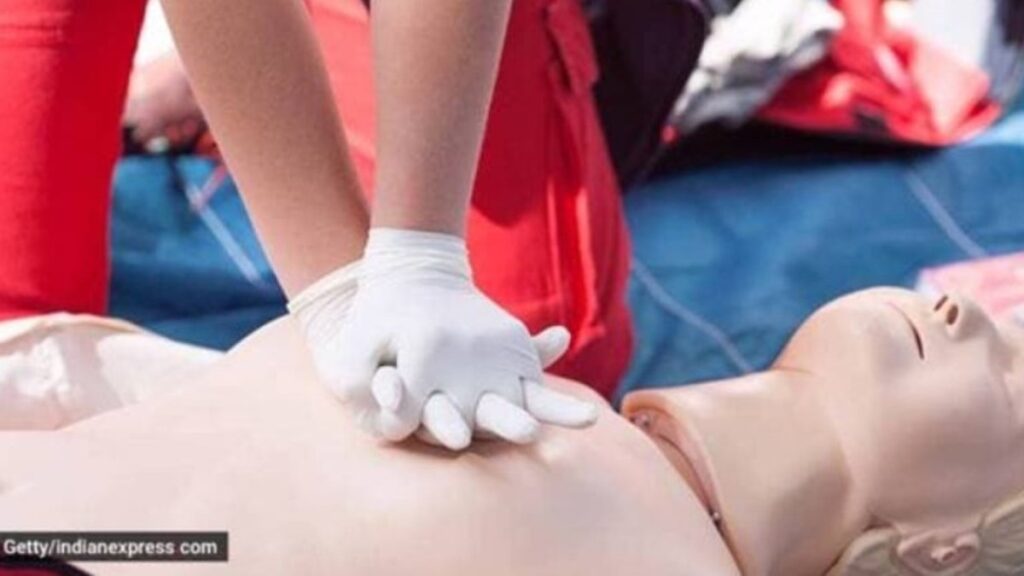
A dental emergency kit with temporary filling material and clove oil for broken teeth and lost crowns. Wound care supplies including suture strips and irrigation equipment. An automated external defibrillator maintained and tested on the same schedule as all safety equipment. Splinting materials for fracture management. A full supply of seasickness medication in three different forms for three different tolerance levels.
What the Captain Can Do
The crew holds the STCW medical first aid certification required for commercial offshore vessel operation. This is not a basic first aid course: it is a certification in the assessment and management of serious medical situations in a remote environment, covering the specific constraints of being at sea without immediate evacuation capability.
The certification includes training in wound management, fracture splinting, cardiac assessment, and the specific decision-making required when a physician is not available and the nearest hospital is multiple days away.
For situations that exceed what the onboard kit and training can manage, the Eighty2 has access to remote medical consultation via satellite communication. Specialist maritime medical services exist specifically for offshore vessels: a physician receives the patient’s situation by voice or message from any position on the ocean and provides diagnosis guidance and treatment recommendations. This capability is available from the outer Tuamotu atolls and the middle of the Pacific and the Red Sea and everywhere else on the route where a shore-based medical facility is days away.
When the Situation Exceeds Both
If a medical situation requires professional intervention that the boat cannot provide, the response is a diversion to the nearest adequate medical facility and, in genuinely serious situations, a request for evacuation. The EPIRB, if activated, alerts the international maritime rescue coordination system to the vessel’s position and initiates the rescue response.
The satellite communicators provide direct communication with coast guard and rescue coordination services from any position on the ocean. The Eighty2’s position is known to shore contacts at all times through the automatic identification system and the voluntary position reporting that Sven maintains on all offshore passages.
The insurance requirement for Naora members is comprehensive travel and medical evacuation insurance that specifically covers offshore sailing in all regions of the route. This is not standard travel insurance: most standard travel insurance excludes offshore sailing.
The pre-boarding information includes specific guidance on what the insurance must cover and suggestions for providers who offer the appropriate coverage. Members who arrive without adequate insurance coverage are asked to resolve this before boarding. The requirement is not bureaucratic. It is the specific protection that the offshore context makes necessary and that no amount of onboard medical capability fully replaces.