The word sponsor comes from the Latin for one who makes a solemn promise on behalf of another. In contemporary use it has come to mean something considerably less solemn: a company that pays to have its name associated with an event or a person or a platform in exchange for the audience reach that the association provides.
This transaction is legitimate and it produces real value for both parties in contexts where the association is credible and the audience is the right one. It is not what we are describing when we talk about Naora partnerships, and the word sponsor does not describe what we are looking for.
The word ally is better. An ally is someone who is pursuing the same direction for their own reasons, whose support is an expression of shared purpose rather than a commercial calculation, and whose presence in the endeavour makes the endeavour more fully what it is rather than providing an external endorsement of what it already is.
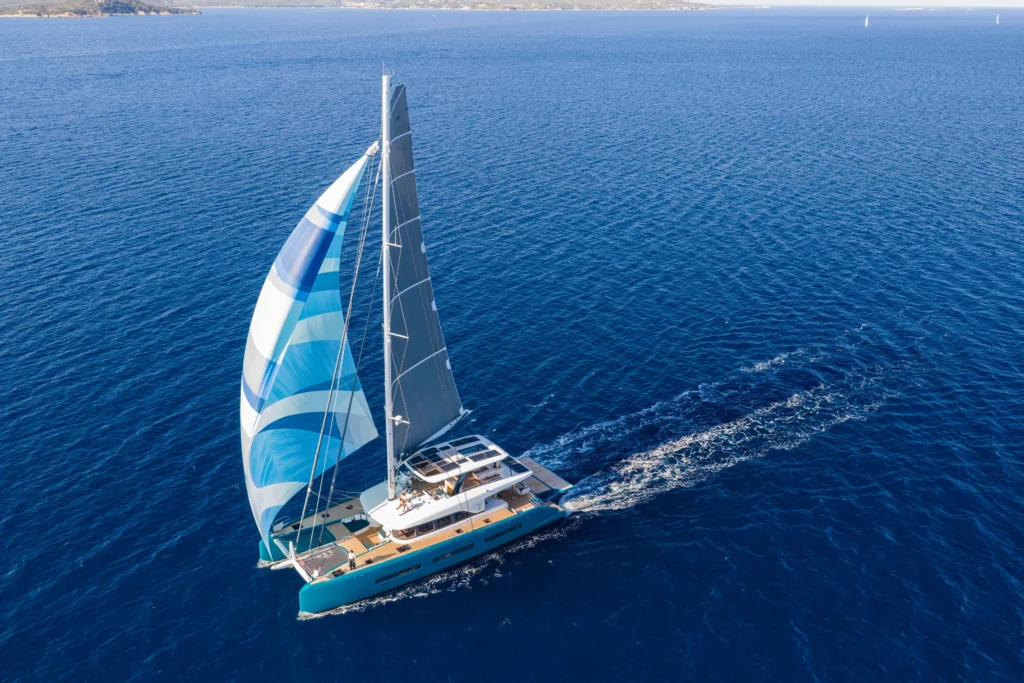
The allies we are looking for are companies who are sailing in the same direction as Naora, in their own sector, under their own power, and who find in the Naora voyage the expression of what they are building toward rather than the audience they want to reach.
What an Ally Looks Like
An ally in the Naora sense is a company that has made a structural commitment to the values that the voyage is built around: not a campaign commitment that expires when the brief changes but a structural one that is visible in how the company is organised, what it makes, how it treats the people it works with, and what it refuses to do regardless of the financial incentive to do it.
The freedom that it gives its customers. The sustainability that is built into the product rather than communicated in the packaging. The innovation that comes from questioning the industry’s assumptions rather than executing them more efficiently. The privacy that is structural rather than a toggle in the settings menu.
This company exists. In multiple sectors. Often not the largest company in its sector but frequently the most interesting: the one whose growth is slower than the incumbent because the structural commitments it has made are more expensive to maintain than the shortcuts the incumbent takes, and whose customers are more loyal than the incumbent’s because the structural commitments are visible to the customers who care about them and who will pay for them and who will tell the people they trust about them.
What the Alliance Produces
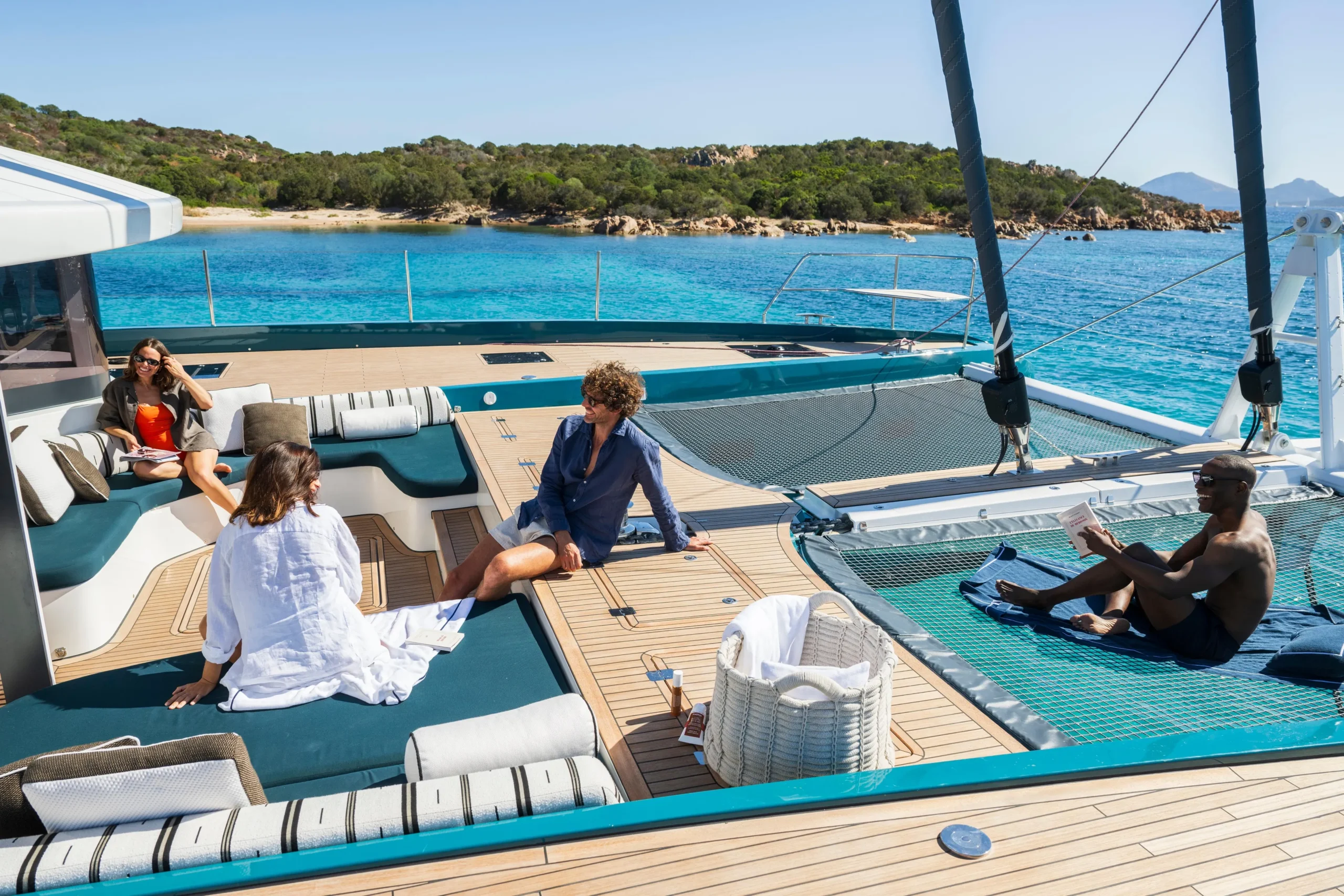
The alliance between Naora and the right partner produces something that a sponsorship cannot produce: the experience of the partner’s values in the context that expresses those values most completely. The food company whose products are on the Naora table because they are the best expression of the nutritional and sourcing philosophy that the voyage is built around: the twelve people at that table are not receiving a brand message.
They are receiving the product in the context that makes its quality most apparent, alongside people who will recognise and remember the quality because the offshore context produces a quality of attention to the immediate experience that the land context does not.
This is a different kind of brand experience from the sponsorship model. The sponsorship model communicates. The alliance model demonstrates. The Naora table is a demonstration environment for the products and services of the partners who belong on it: a context of genuine use by exactly the kind of people whose opinion of the product matters most to the partner, in conditions that reveal the product’s quality most completely, over a duration that produces the kind of relationship with the product that no campaign can manufacture.
Five years. Four oceans. Twelve people at a time. The allies who understand what this produces for a brand that deserves the context are the allies we want to find. The conversation is open.