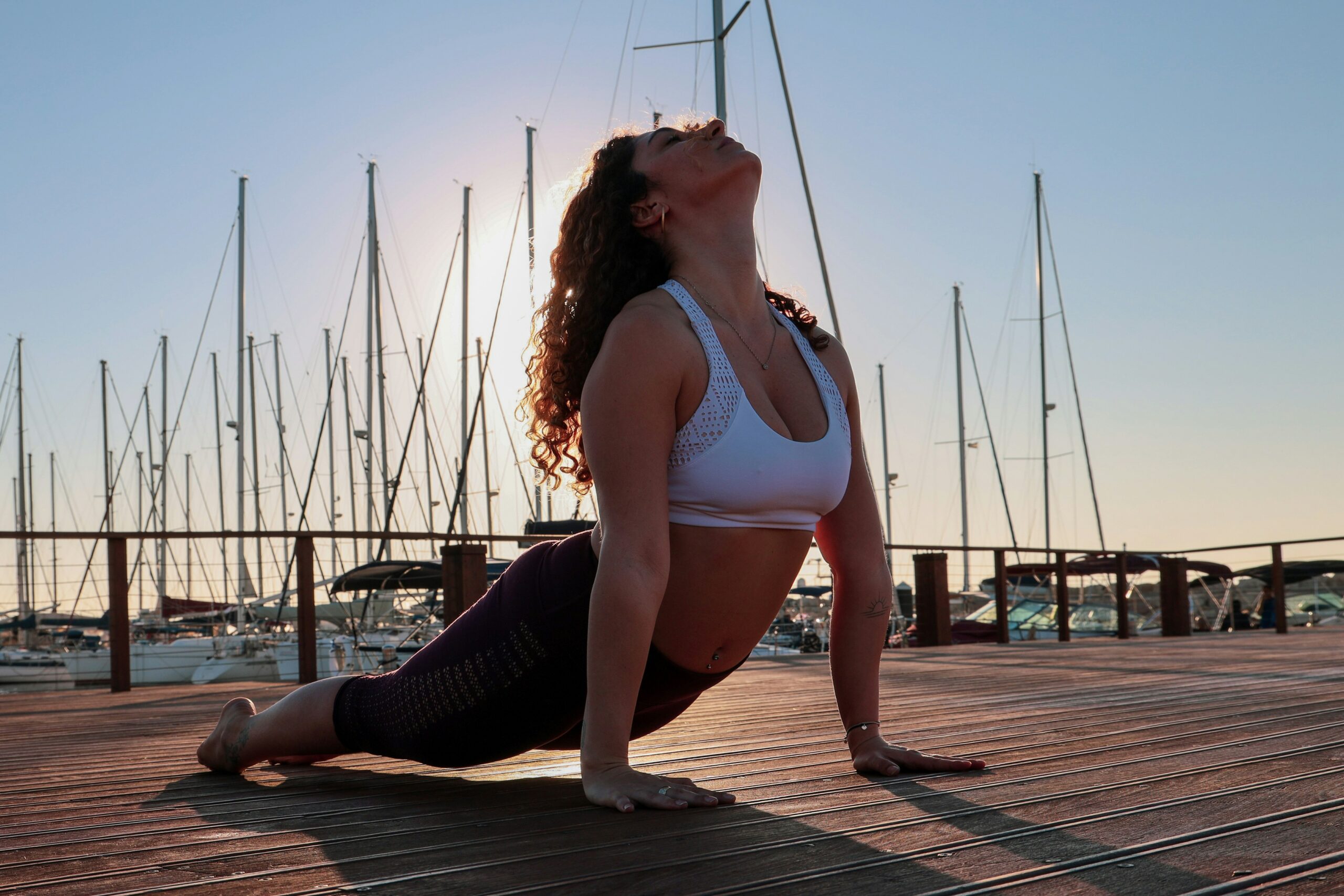
The yoga practice I arrived at the Naora voyage with was a three-year practice of reasonable consistency: the twice-weekly studio class, the occasional home practice, the specific poses that my body had learned to perform at the level of competence that the instruction had developed and that the practice had maintained. I knew my practice. I could perform it.
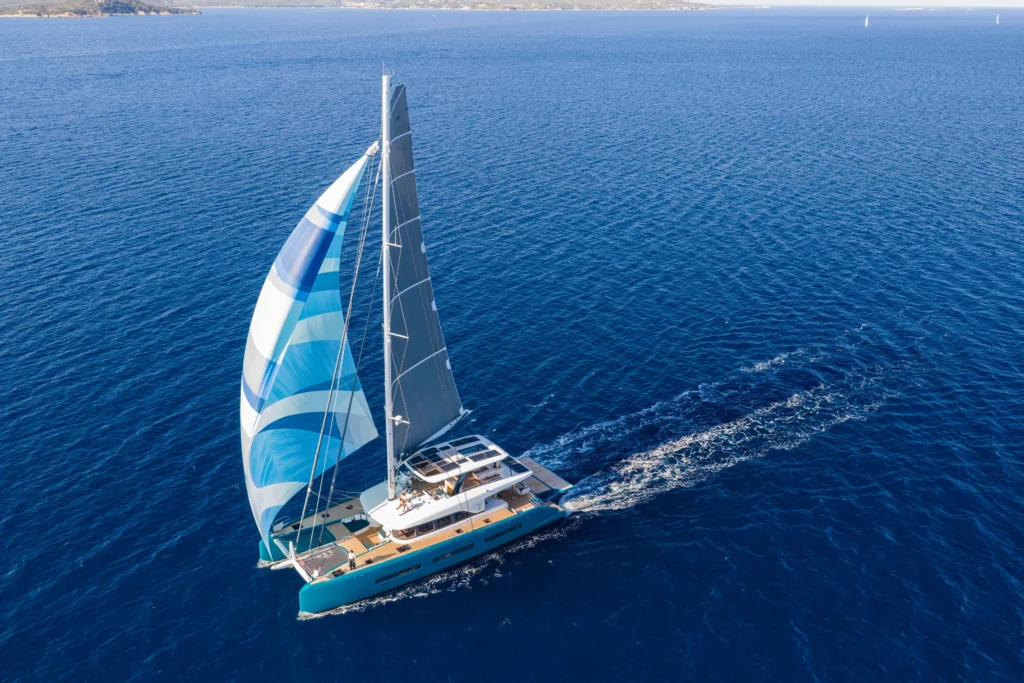
The moving deck of the Eighty2 in the trade wind passage taught me that what I had been performing was the approximation of the practice rather than the practice itself, in the specific way that the stable mat approximates the conditions that yoga was originally designed to develop capability for.
The stable mat is a technology for the management of a variable: it removes the variability of the surface from the equation so that the variability that the pose is working with is the variability of the body’s balance rather than the variability of the surface the body is balanced on.
This is pedagogically reasonable. The stable mat allows the beginner to isolate the proprioceptive challenge of the pose from the environmental challenge of the surface. It is also, for the practitioner who has been working on the stable mat for three years, the removal of the environmental challenge that the pose was originally designed to develop capability for managing. The Eighty2 in trade wind conditions does not manage the environmental variability. It provides it continuously and in every direction simultaneously.
What the Moving Deck Reveals
The moving deck reveals the poses that the stable mat had made routine as the challenges they were always supposed to be. The warrior sequence that I had been performing on the stable mat with the specific confidence of three years of practice discovered, on the afterdeck of the Eighty2 in a three-metre swell, that the confidence was the confidence of the stable surface rather than the confidence of the practiced body.
The warrior on the moving deck is not a harder version of the warrior on the stable mat. It is the original version: the pose that the balance challenge was always supposed to produce, available now in the environment that provides the balance challenge in full rather than in the managed form that the mat’s stability delivers.
The breath, which the studio practice had incorporated as the technique that organises the pose sequence, became on the moving deck the only tool available for managing the relationship between the pose and the surface it was performed on.
Not the technique of the breath: the actual breath, the specific nervous system regulation that the diaphragmatic breathing produces and that the moving deck makes available in its most complete form because the moving deck removes the stable surface that the nervous system was partially using to manage the balance, and the breath is what remains.
The moving deck practice is the yoga practice with the training wheels removed. It is more difficult and more specific and more useful than the stable mat practice for the body that is going to spend the next weeks managing the balance demands of the offshore sailing life in every other context.