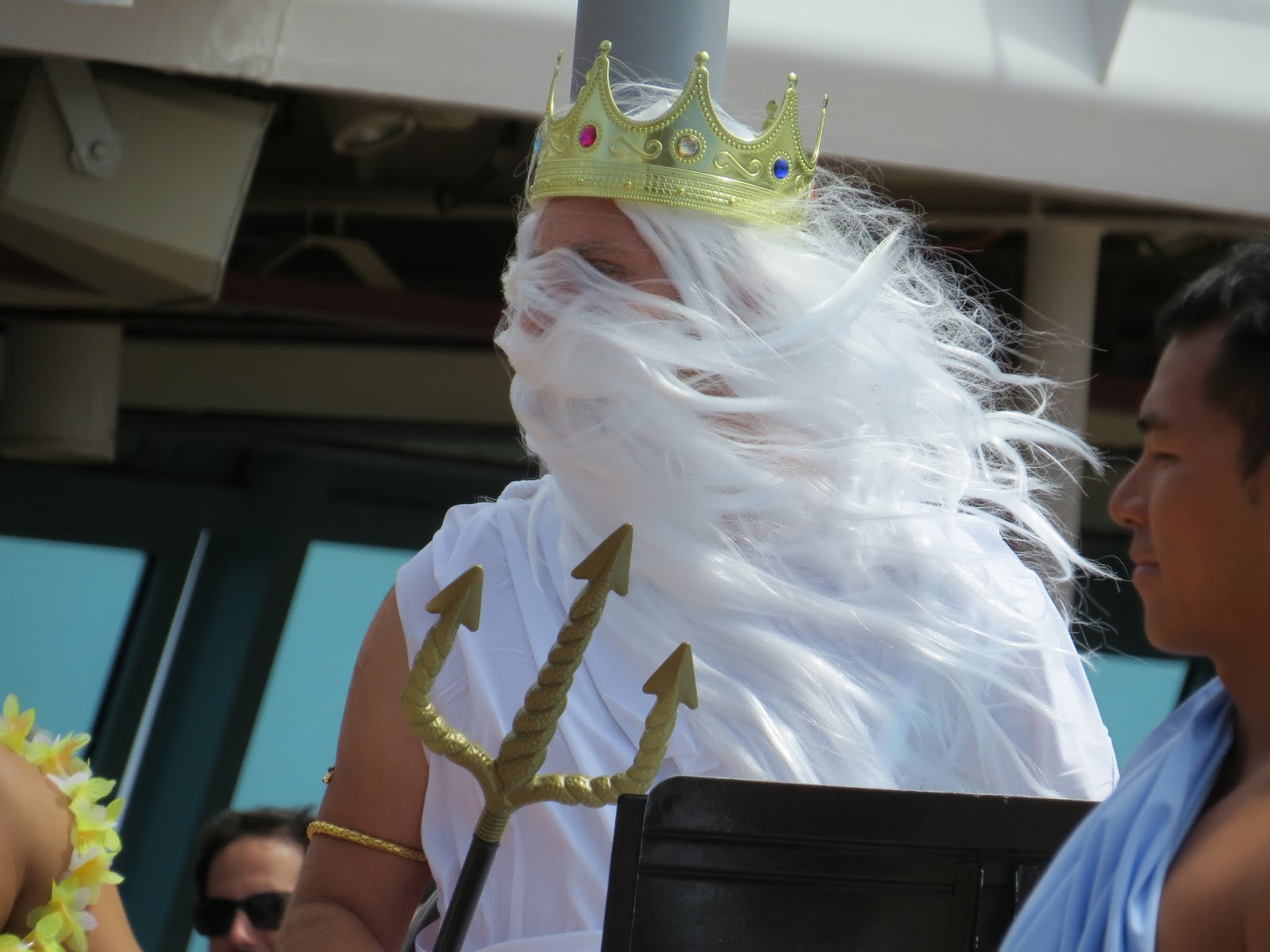
The equator crossing has been marked by ceremony aboard sailing vessels since the first European ships reached zero degrees latitude in the fifteenth century. The ceremony that the naval tradition developed, which the 19th-century British and American navies standardised into the specific form that the crossing-the-line ritual took in its classic version, was built around the initiation of the first-time equator crossers, the pollywogs in the naval terminology, into the community of those who had crossed before, the shellbacks.
The ceremony was elaborate, sometimes rough, and entirely serious in the specific sense that the sailors who performed it were serious: the crossing of the equator was a geographic threshold that the offshore tradition identified as requiring acknowledgment, and the acknowledgment was the ceremony that the tradition had developed to produce it.
The Naora equator crossing ceremony is not the naval version. The naval version was designed for a different community in a different century with a different relationship between the ranks and a different understanding of what initiation required. The Naora version is designed for the Naora Circle: the specific community of twelve people who have been building the relationships and the culture of the voyage across the legs that preceded the equator crossing and who are crossing it together as the expression of what that community has become across the distance that produced it.
What Happens
At the equator, the GPS reads zero degrees zero minutes zero seconds. This moment is watched for. The person on watch notes the time and calls the deck. The crew and the members who are awake gather at the bow. Sven brings the vessel’s logbook and the ceremony begins with the logbook entry: the exact position, the exact time, the names of all the people aboard for the crossing. This is the permanent record that the Naora Circle maintains across the five-year voyage: the logbook that carries every equator crossing, every ocean entry, every significant threshold that the community crosses together.
What follows the logbook entry is the specific ceremony that the Naora Circle has developed and that I will not describe in full here, because some of what the ceremony contains belongs to the people who experience it rather than to the description that prepares them for it.
What I can say is that the ceremony marks the threshold the tradition identified as worth marking, that it takes the form appropriate to the community rather than the form appropriate to the 19th-century naval vessel, and that the members who have been through it describe it as one of the specific moments of the voyage that they did not expect to be significant and that was.
Why It Matters
The equator crossing matters because the maritime tradition that identified it as worth marking was correct: the equator is a geographic threshold of the specific kind that the offshore sailing life accumulates and that the land life does not provide in the same form.
It is a line that exists in the physics of the planet and that the vessel reaches by the specific combination of distance and direction and the sustained effort of the people who sailed it there. The ceremony that marks the crossing is the community’s acknowledgment of what it took to get there and who the people are who got there together.
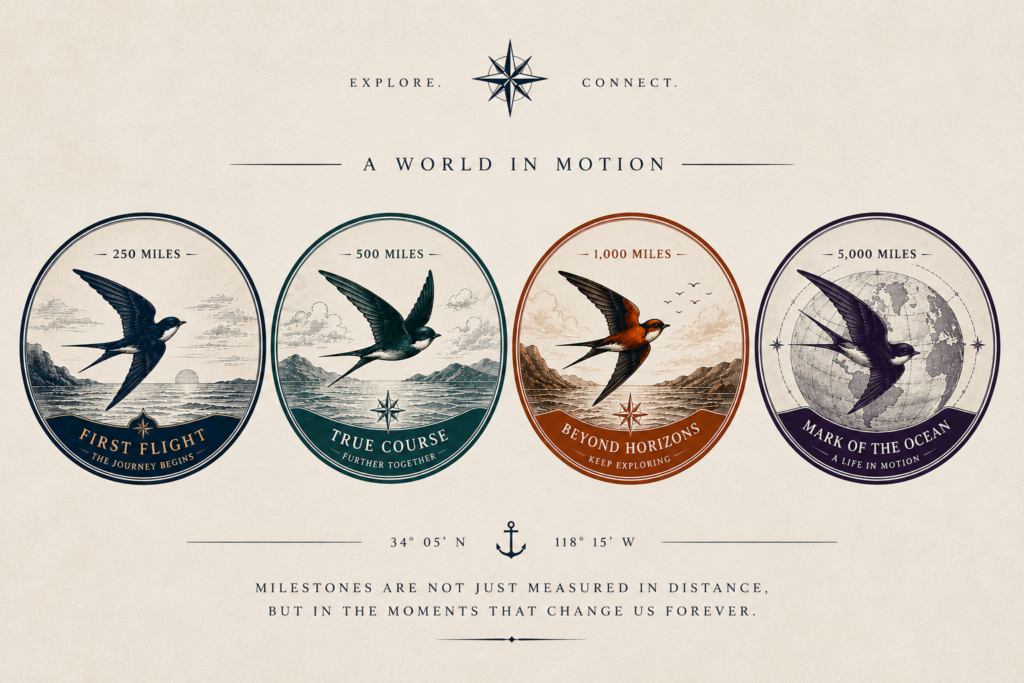
The swallow badge that the Naora tradition carries is the badge that marks the accumulated miles. The logbook entry is the permanent record. The equator ceremony is the human acknowledgment: the gathering at the bow at zero degrees, the names in the logbook, the specific moment when the community that has been building across the preceding legs is present together at the most geographically absolute threshold available.
The tradition understood something about what these moments require.