The Komodo National Park receives approximately 200,000 visitors per year. Almost all of them arrive on the day boats that depart from Labuan Bajo on the Flores coast: the two-hour crossing, the managed walk along the designated trail with the ranger and the forked stick, the Komodo dragons at the designated viewing areas, the two-hour crossing back.
The experience is real: the dragons are real, the landscape is extraordinary, the encounter with an animal that looks precisely like the evolutionary product of sixty-five million years of island isolation that it is produces the specific quality of encounter with the genuinely ancient that the modern world rarely makes available.
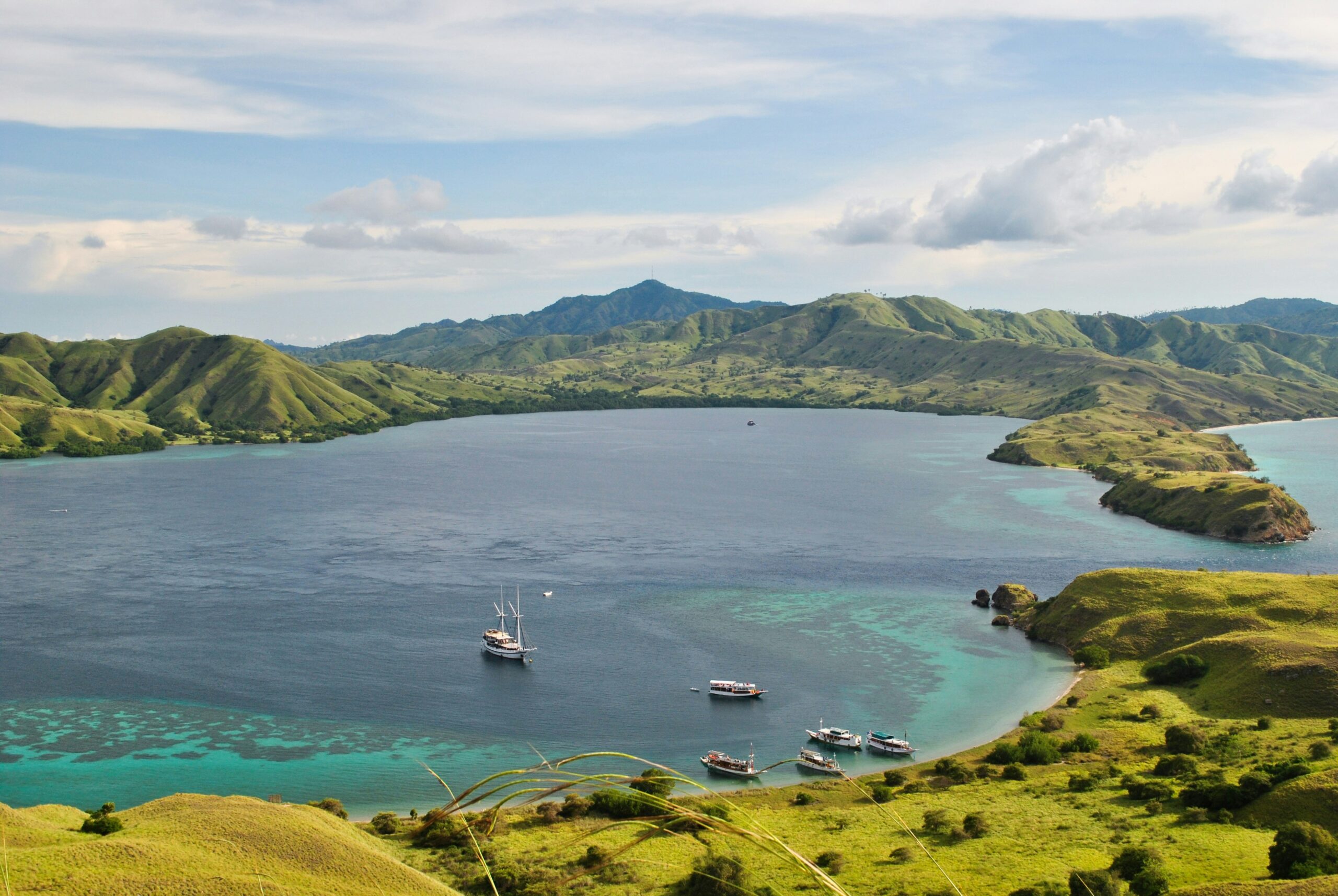
Our boat arrives at Komodo differently. Not at the main ranger station dock with the day boats: at the anchorage in the bay on the other side of the island that the day boats do not use because the day boats are on a schedule and the bay on the other side of the island requires an hour of walking from the shore rather than five minutes.
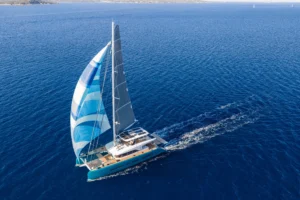
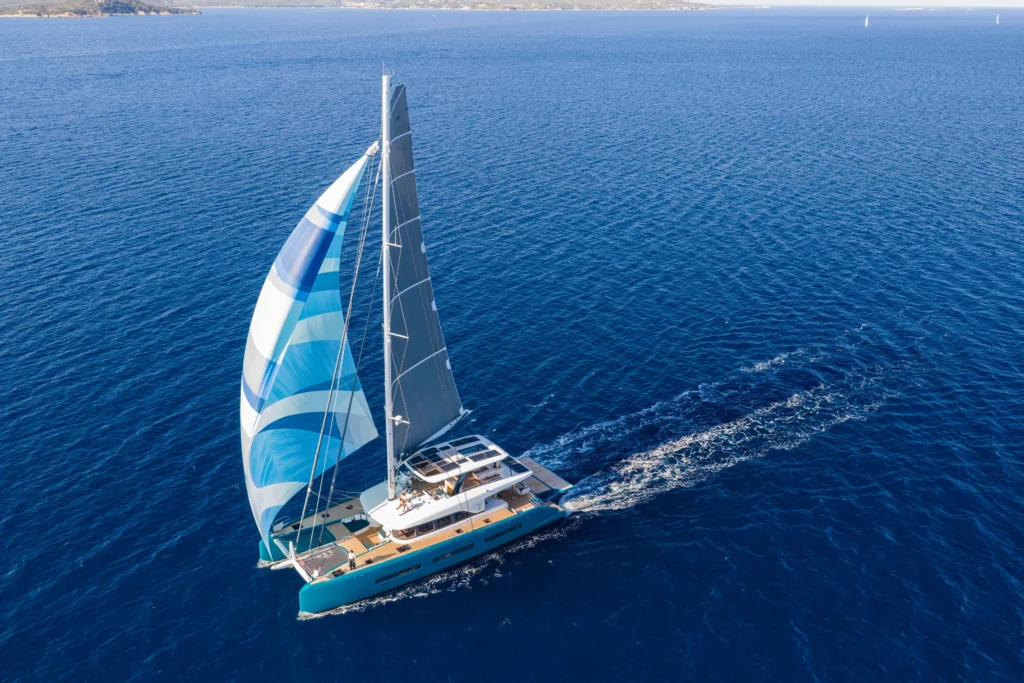
The Eighty2 anchors in that bay because it is not on a schedule. It is in the Komodo National Park for three days and the walk across the island is available because the boat can wait for the people who make it.
The Walk
The walk across the island in the early morning, before the heat builds and before the day boats have crossed from Labuan Bajo, is the Komodo experience that the tour itinerary cannot provide: the specific quality of a landscape that has not yet been organised for the visitors who will arrive in two hours.
The savannah that covers the island’s interior is the colour of the season, dry gold in the dry months and green in the wet, and the specific combination of savannah and coastal scrub and the volcanic rock that the islands are built from produces a landscape that is unlike any other on the Naora route.
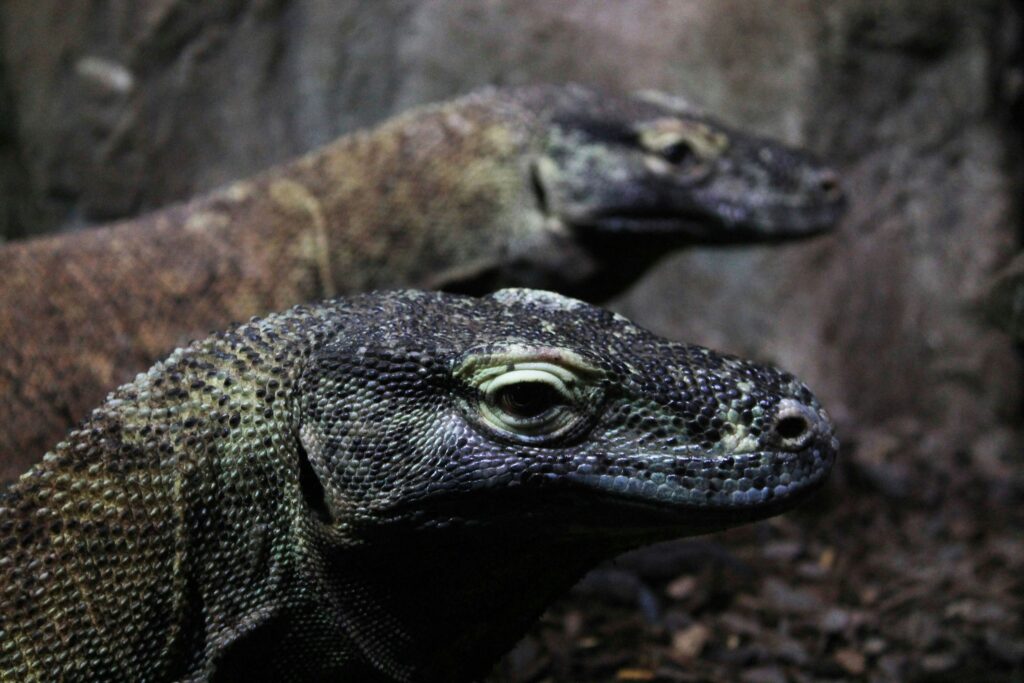
The dragons that are encountered on the walk across the island rather than at the designated viewing area are encountered in the context of their actual behaviour rather than in the context of the managed encounter, and the actual behaviour of a three-metre lizard that evolved in the absence of any predator larger than itself is considerably more interesting than the managed encounter suggests.
The Diving
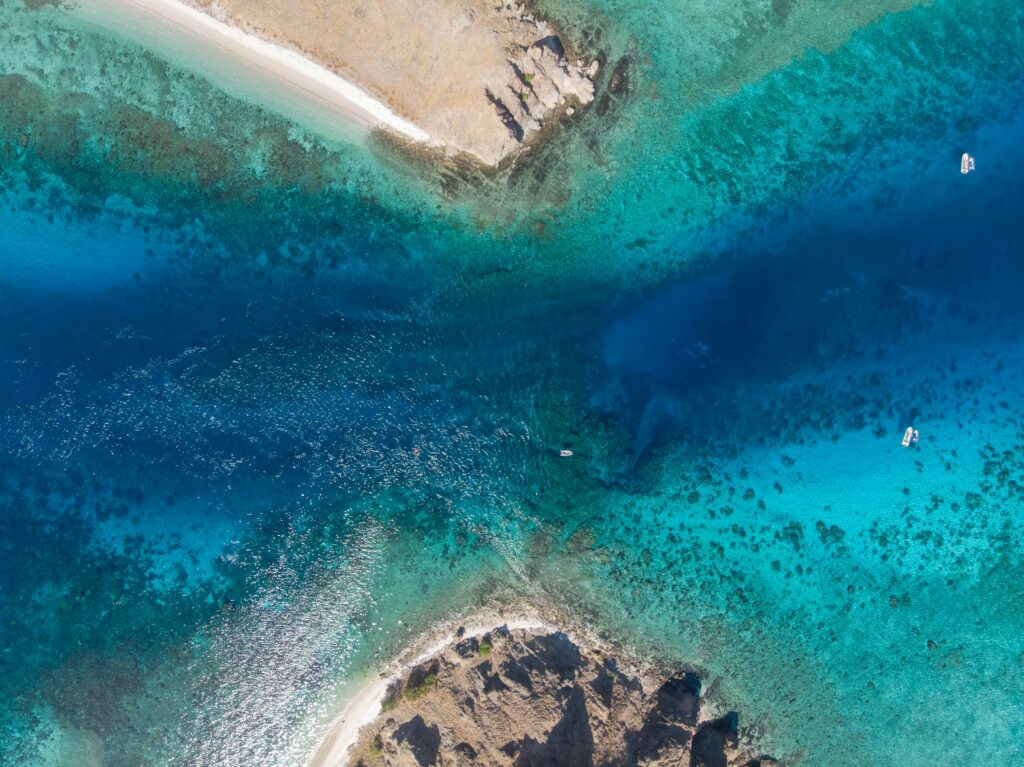
The Komodo diving is among the finest on the Naora route and among the most demanding: the currents in the channels between the islands are driven by the tidal exchange between the Indian Ocean and the Flores Sea and can reach six knots in the narrows, which requires the specific drift diving technique that the Naora diving programme is designed around and that the current’s speed makes exhilarating rather than dangerous for the diver who knows what they are doing.
The specific marine life of the Komodo channels, the Napoleon wrasse and the manta rays and the schools of fish that the current concentrates at the channel edges, is the marine life of the confluence between two ocean systems and the biodiversity it produces is the biodiversity of an ecosystem at its most dynamic.
From the water, Komodo is the place that the tour bus version suggests and does not fully deliver. The boat version delivers it. The difference is the ability to be there before the day boats arrive and after they leave, in the specific quality of the place when the place belongs to the people who are staying rather than the people who are visiting. The Naora boat is always staying.