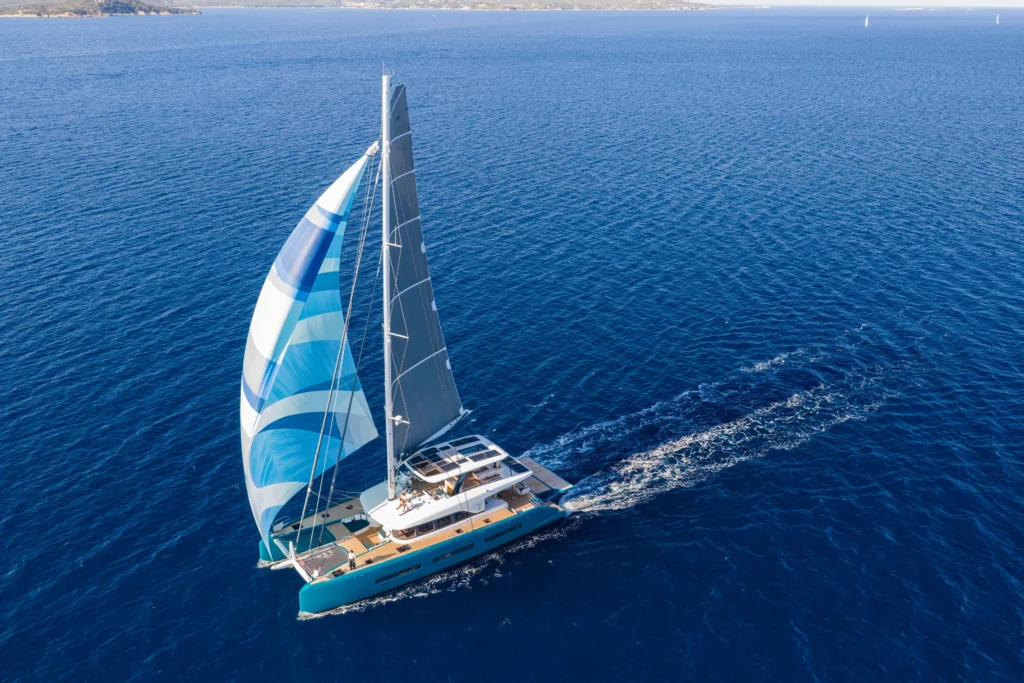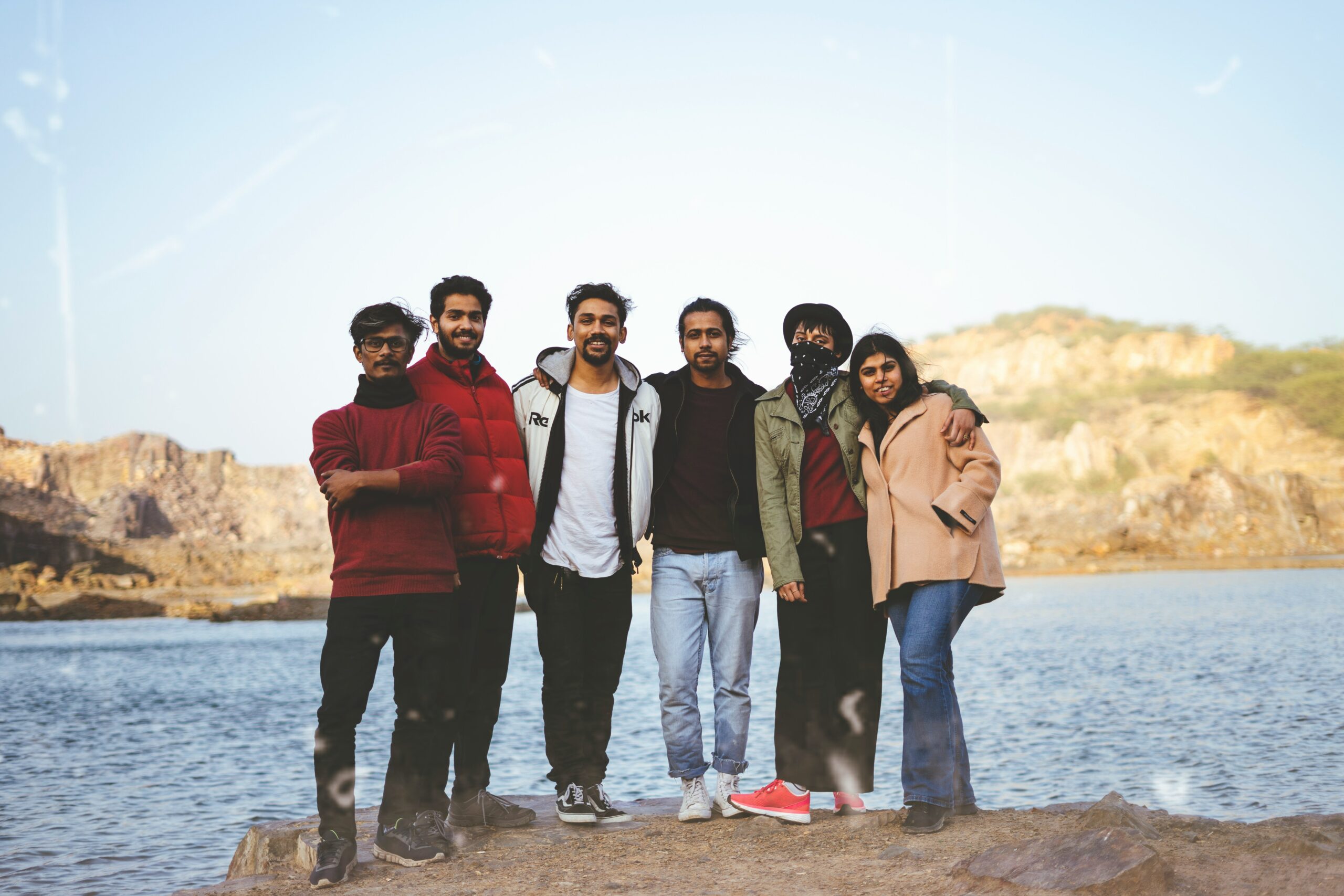
The Naora Circle is not a European sailing club that occasionally accepts international guests. It is a community of people who share a specific disposition toward the world, and that disposition does not respect geography. The person it describes is as likely to be in Singapore as in Antwerp, as likely to have built their professional life in San Francisco as in Brussels, as likely to hold a Japanese passport as a Belgian one. The voyage departs from Bodrum and returns to the Mediterranean.
The community that boards it along the way assembles from wherever on the planet the specific combination of curiosity, achievement, and the honest recognition that the achievement did not produce everything it was supposed to produce happens to be concentrated. Which is everywhere.
Tuamotu or the Banda Sea or the Red Sea anchorage has hosted people from five continents across the legs of the Naora voyage. Not because we searched for geographic diversity as a product feature, the way that the international conference curates its panel for representational balance: because the invitation-only selection process that we apply with equal rigour to every applicant regardless of their nationality consistently produces the same result.
The person who is right for the Naora Circle has a specific quality that is recognisable in the first thirty minutes of the conversation with Antony or Sven, and that quality is distributed across the planet’s professional cultures in a way that makes every hemisphere a source of the people who belong at the table.
What the International Table Produces
The specific gift of the international table is the gift of the perspective that no single cultural context produces: the Singaporean entrepreneur who built in a market that the American investor has been watching from a distance and whose firsthand account of the building produces information the investor’s data sources do not contain.
The Japanese architect whose understanding of the relationship between space and human behaviour has been shaped by a built environment that the European member has never inhabited. The Australian who brings the specific relationship with the natural world that the continent’s specific scale and wildness produces. The American who brings the specific relationship with ambition and reinvention that the American cultural context has made available in a form that other cultures produce differently or not at all.
These are not diversity for its own sake. They are the specific perspectives that the international table makes available enriched by the range of contexts that the international Circle brings to it.
The offshore anchorage is the great equaliser of context: nobody at the table is on their home ground, nobody has the social infrastructure of their professional culture available to manage the impression they make, and the conversation that emerges from this specific equality of displacement is the conversation that the Naora Circle is built to produce. The international table produces it most completely.
The Shared Language
The members of the Naora Circle who come from different hemispheres find, consistently and quickly, that they share a language that has nothing to do with English, French or Dutch or Japanese or Mandarin.
It is the language of the specific disposition: the person who has built something genuinely significant and who has discovered that the significance did not produce the quality of presence and depth and honest community that was supposed to be the reward for it.
This recognition, which arrives at the table typically within the first evening, crosses every cultural context that the members bring to it. The Singaporean and the American and the Belgian are not the same person. They are three different people who made the same discovery from three different starting points, and the place where they made the discovery together is the table that the Naora voyage is designed to produce.