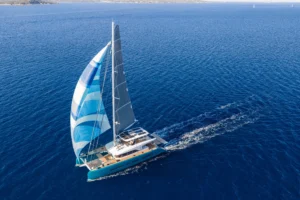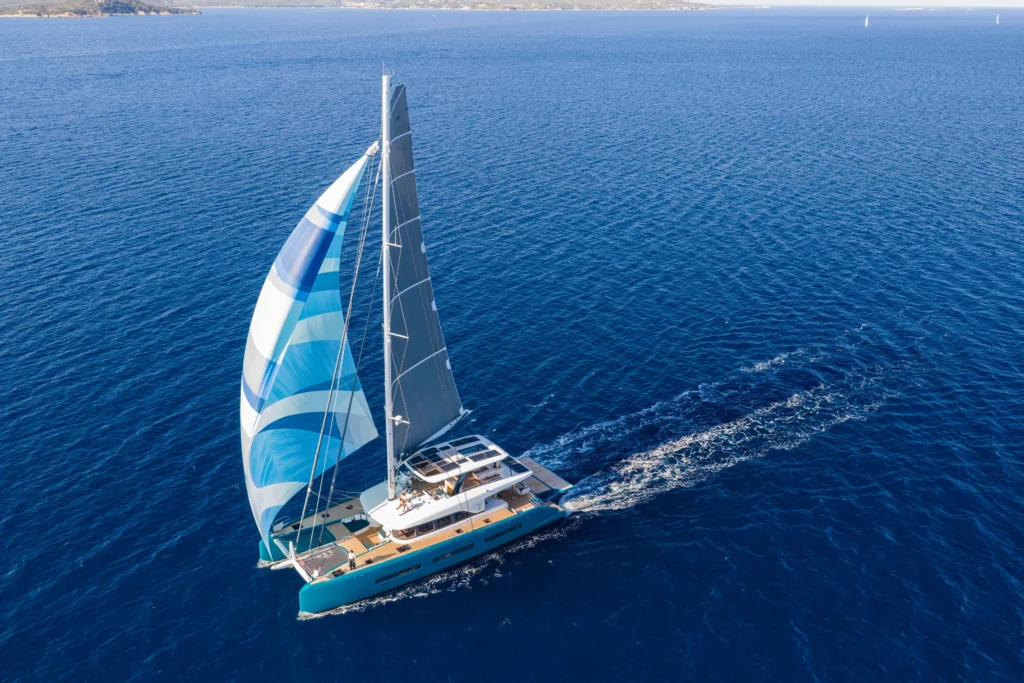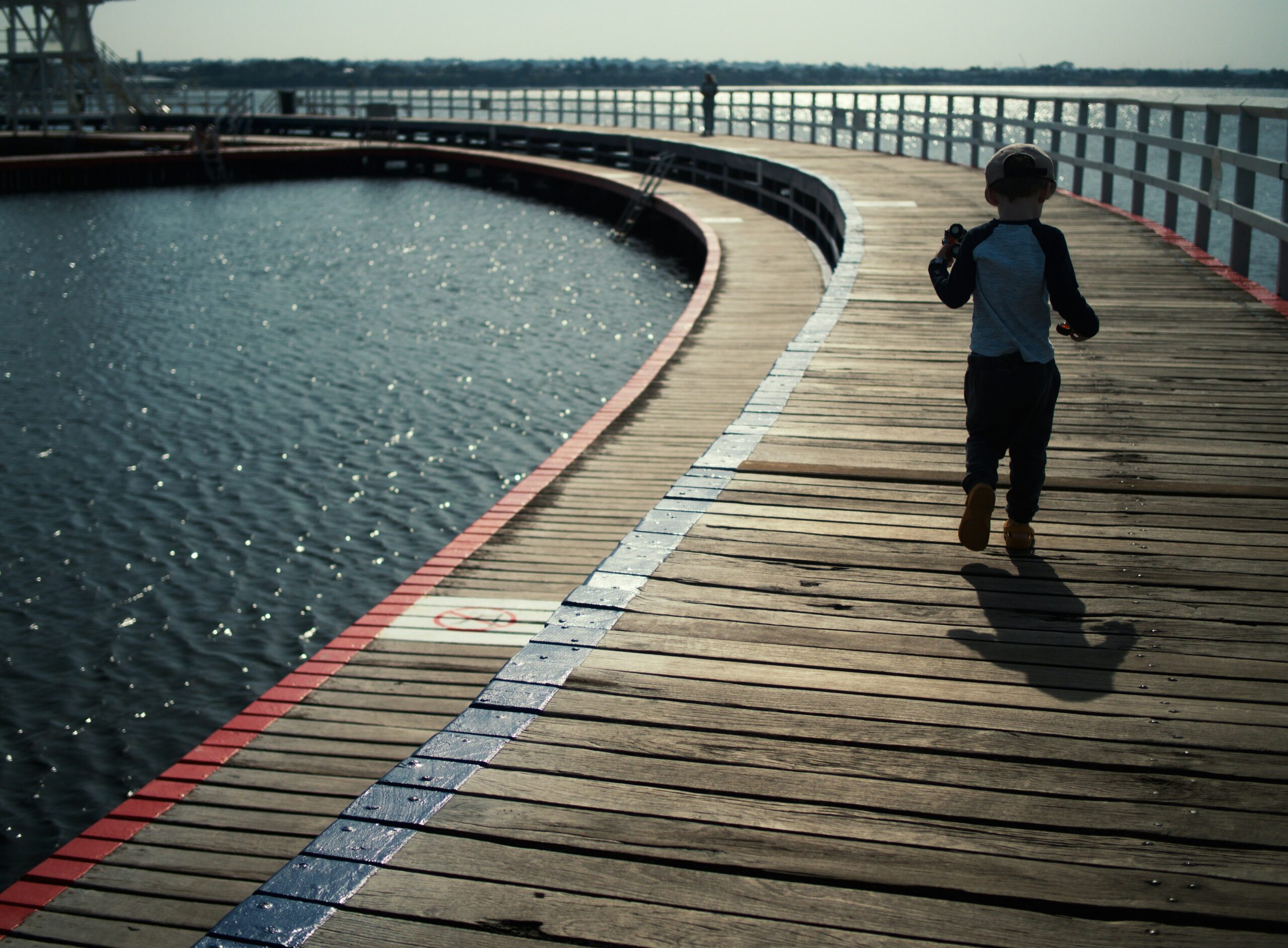
When the Eighty2 comes into a new harbour, the children are usually there before we have finished tying up. Not the older children, who have learned the specific indifference to the foreign boat that adolescence produces as a protective social posture.
The younger ones: the ones who have not yet been taught that curiosity needs a reason and that staring requires justification. They are at the edge of the dock or the beach or the quay wall, watching the boat arrive with the complete attention of people for whom a 24-metre catamaran from somewhere else is exactly as interesting as it objectively is.
I watch the children watching us. Not because I am performing the role of the sailor who is charmed by local children, which is a role that the travel writing tradition has made into a cliché. Because the children’s relationship with the water tells me something specific about the place that no guidebook contains and that no adult in the harbour will communicate as directly.
What the Water Relationship Tells
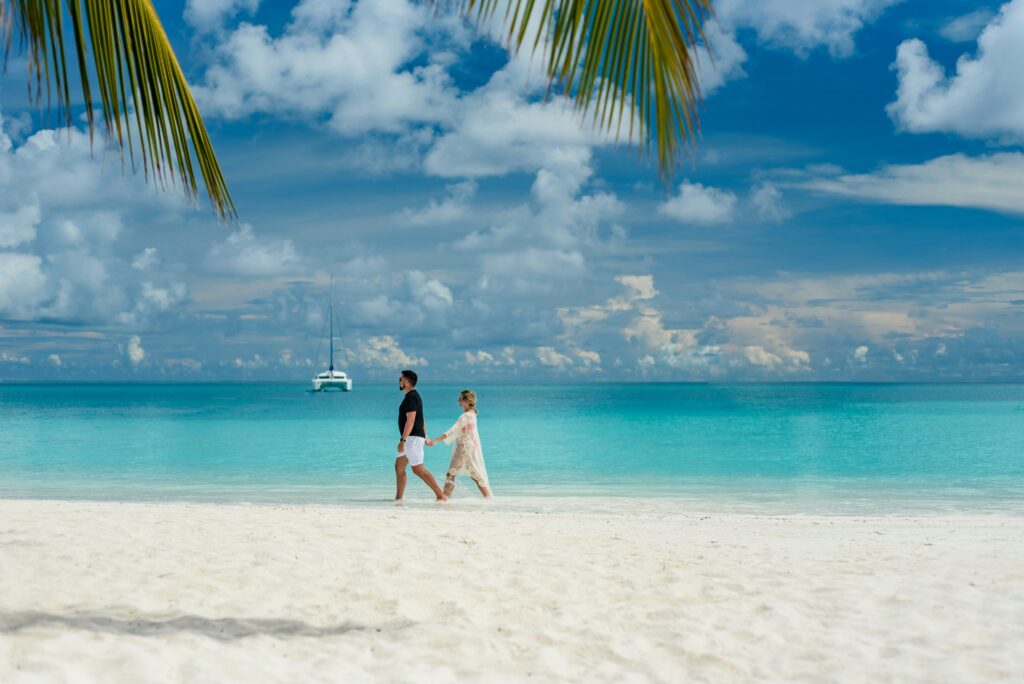
The children in the Tuamotu atolls are in the water before they can reliably walk on land. The relationship between the Tuamotu community and the sea is the relationship between a people and the medium that surrounds them entirely: there is no direction from a Tuamotu island in which the sea is not visible within a few minutes of walking, and the children’s relationship with the water reflects this totality.
They are in it, on it, under it with a naturalness that produces in them the specific physical intelligence of people for whom the water is not a recreational environment but the primary environment.
The children in the Greek island harbours have a different relationship: the water is present and familiar but it is the context for the boats rather than the primary world. The Greek harbour child knows which boat belongs to which family and what the weather will do this afternoon from watching the sea’s surface, because this knowledge is part of being a harbour child in a community where the fishing and the sailing are still the economic and cultural centre rather than a heritage activity.
The knowledge is practical rather than romantic and it is communicated to a visiting boat without being offered: visible in what the child does and does not do around the water rather than in what they say about it.
The Children Who Follow the Boat
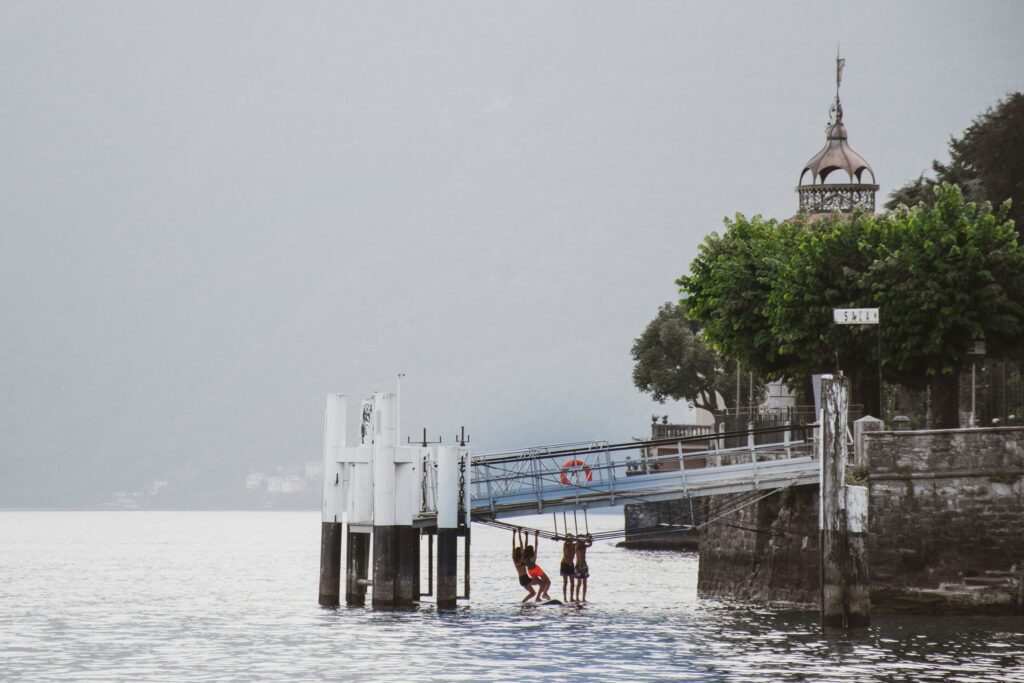
In some harbours and some anchorages on the route, the children follow the dinghy. They are in their own boats or they are swimming or they are on paddleboards made from whatever was available, and they follow the visiting tender with the specific combination of curiosity and confidence that the children of communities where foreign boats are regular visitors develop and that the children of communities where they are rare do not have.
The following is not asking for anything. It is investigating: the child’s version of the harbour bar conversation, the assessment of the visiting boat and its crew through the direct and unselfconscious observation that only the pre-adolescent eye provides.
What the children teach about a place is the relationship between the place and its water that the adult inhabitants have learned to take for granted and therefore do not communicate as information. It is present in how the children move in the water and around the dock and at the edge of the quay: whether the sea is something they live with or something they visit, whether the boats are furniture or vehicles, whether the harbour is the centre of the community or the edge of it.
These are the things that the guidebook’s historical summary and the harbour master’s practical information do not contain, and that the children provide without being asked, simply by being exactly what they are in the place that produced them.