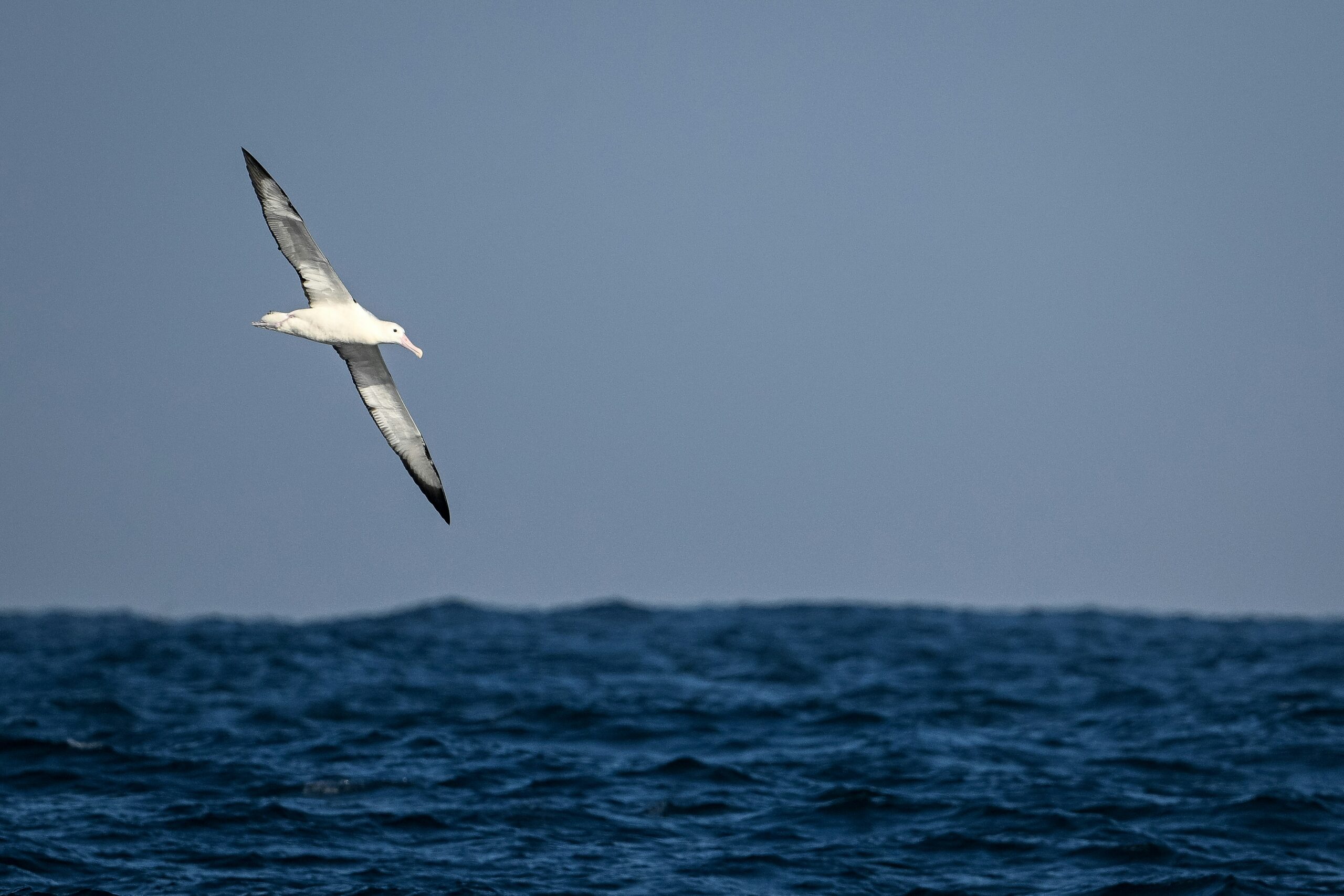
The albatross is the largest flying bird in the world, with a wingspan that reaches three and a half metres in the wandering albatross, the largest species. It spends the vast majority of its life at sea, landing only to breed on the remote subantarctic islands where its colonies produce the slow-developing chicks that require two years to fledge. Its range covers the Southern Ocean and extends into the Atlantic and the Pacific, and it follows sailing vessels for the specific reason that the vessel’s movement through the air creates the updrafts that the albatross uses for its dynamic soaring, the specific flight technique that allows it to cover enormous distances with minimal energy expenditure by extracting energy from the wind gradient above the wave surface.
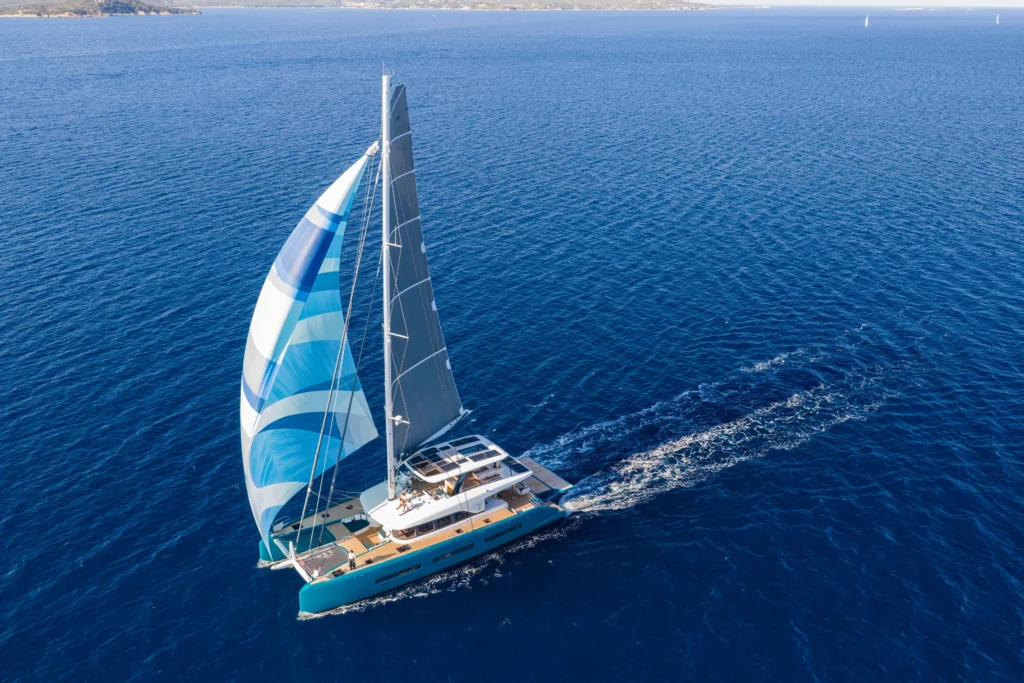
The sailors who saw the albatross following their vessels knew none of this ornithology. What they knew was that an albatross followed the ship through conditions that no other bird survived, that it appeared from nowhere in the middle of the Southern Ocean where no land was within hundreds of miles, and that it moved through the worst weather the ocean produced with a grace and an effortlessness that the vessel struggling through the same weather could not match.
The conclusion they drew was the conclusion that the maritime tradition drew about every animal that demonstrated capabilities beyond the human in the offshore environment: the albatross was not an animal. It was the soul of a dead sailor, returned to the sea in the form of the bird that the sea had produced to carry it.
The Prohibition on Killing
The prohibition on killing an albatross was one of the most universally observed superstitions in the offshore sailing culture. Coleridge’s The Rime of the Ancient Mariner, published in 1798, took this widely known maritime belief as its central premise: the mariner who kills the albatross brings catastrophic misfortune on his ship, and the albatross hung around his neck as punishment is the image that gave the English language its expression for the burden of past wrongdoing.
The poem worked as a narrative because the belief it described was genuine and widely held: the killing of the albatross was understood by the maritime community as the killing of a dead sailor, which was the specific moral category of crime that the offshore community, which had lost too many of its own to the sea, regarded with the specific horror that killing the already-dead produces.
The albatross was not protected because it was beautiful, though it is extraordinary. It was protected because it was believed to be the community’s own dead, returned in the form most appropriate for the environment that had claimed them: the bird that moved through the Southern Ocean with the ease that the sailor’s soul, freed from the body that had struggled through the same ocean, could finally achieve.
The Current Reality
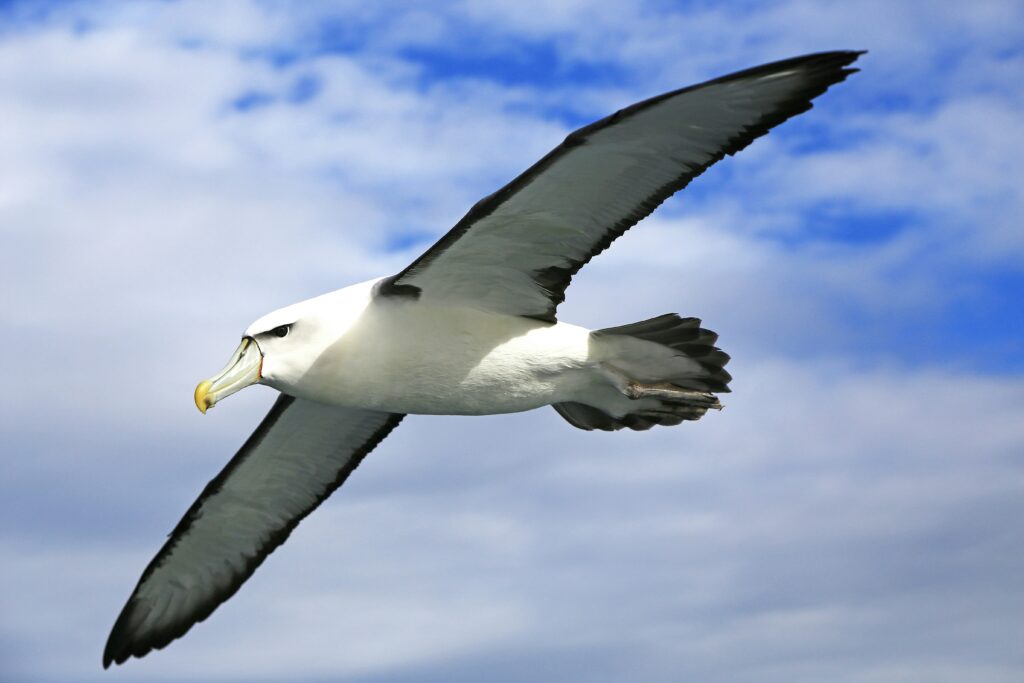
The albatross that the maritime tradition protected because it was the soul of the dead is now protected because it is critically endangered: the same longline fishing that the industrial era produced in the waters the albatross covers has killed hundreds of thousands of the birds that the sailing era’s superstition kept safe. The superstition that the scientifically educated observer dismisses as irrational had, across the centuries of its operation, a better conservation outcome for the albatross population than the rational exploitation of the industrial fishing era that replaced it.
The sailors who would not kill the albatross because they believed it carried their dead were protecting a species. They did not know they were doing this. The species was protected regardless.