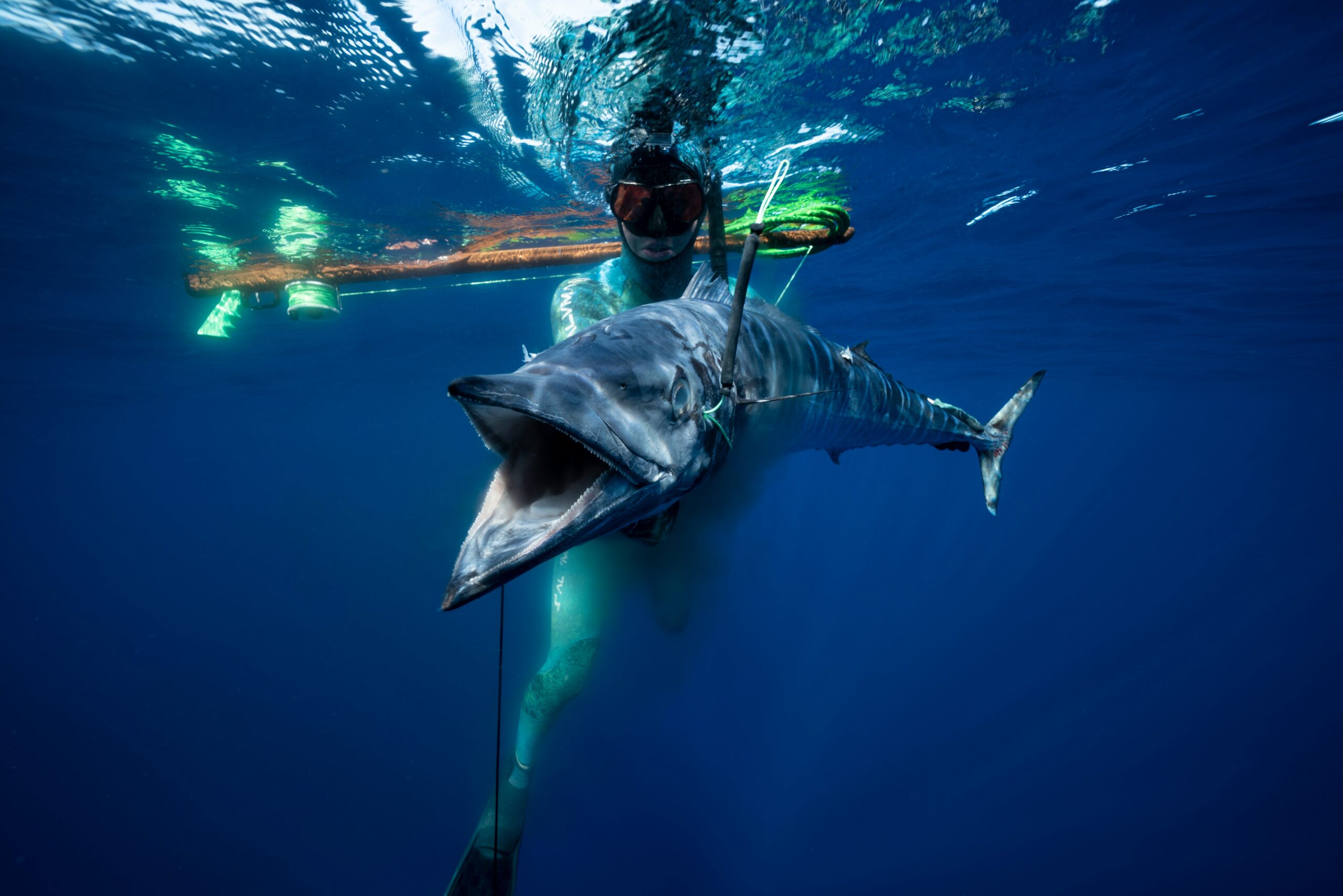
I have been spearfishing since I was old enough to manage the spear and the breath at the same time, which in the specific context of growing up around boats and learning to freedive as a child was earlier than most certifying bodies would approve of. I know what I am doing in the water. I know the fish behaviour, the approach technique, the specific patience of the successful spearfisher who has learned that the fish that is not yet alarmed is the fish that is catchable in a way that the fish that has registered the diver’s presence is not. I have been doing this for long enough that I do not think about most of it consciously.
And then I went spearfishing in the Tuamotu alongside a man who had been doing it in the same lagoon since he was three years old, whose father had done it in the same lagoon before him, and whose knowledge of the specific reef we were in was the knowledge of someone who has been in relationship with that reef for their entire life rather than visiting it for a season. The experience of being in the water beside this person was the experience of understanding, concretely and specifically, what the difference is between knowing a skill and knowing a place.
What the Reef Knows
The Tuamotu spearfisher knows the reef the way I know the layout of my boat: not by consulting a reference but by having been in it so many times that the knowledge is in the body rather than the mind. He knows where the specific species are at specific times of day, not in the general sense of the behavioural knowledge that dive courses teach but in the specific sense of knowing which coral head in this particular lagoon the large parrotfish uses as its morning feeding station, because he has been in this lagoon at this hour enough mornings to have registered the pattern.
He knows which pass the current reverses at a time that differs from the tidal table prediction because the reef’s specific hydrography produces a local effect that no table documents. He knows where the lionfish are, not to hunt them but to avoid them, because he was stung once when he was twelve and the knowledge of where the lionfish are in this lagoon is the knowledge that twelve-year-old version of him acquired permanently in the two days after the sting.
What I Learned About My Own Freediving
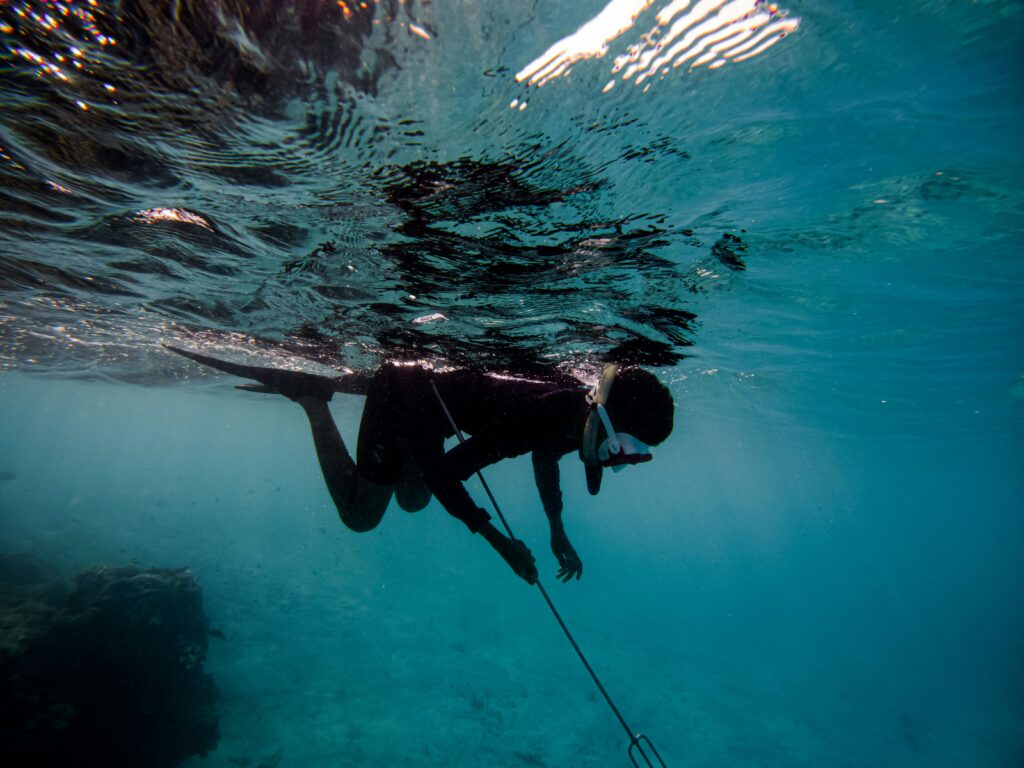
What I learned about my own freediving by being in the water beside the Tuamotu fisherman was that I had been compensating for not knowing the place with technique. My approach to the fish was the approach developed in many different reefs across many different ocean regions: the general approach, refined through experience in diverse contexts to a standard that works in most reefs and that is not optimised for any specific one.
His approach was the approach developed in this reef, by this fisherman, across a lifetime of daily observation of this specific population of fish in this specific environment. It was categorically different in efficiency: not faster, not stronger, but more specific. Less effort, more fish, because the effort was directed by knowledge of where the fish was going to be rather than by the technique of approaching a fish whose behaviour was not yet fully known.
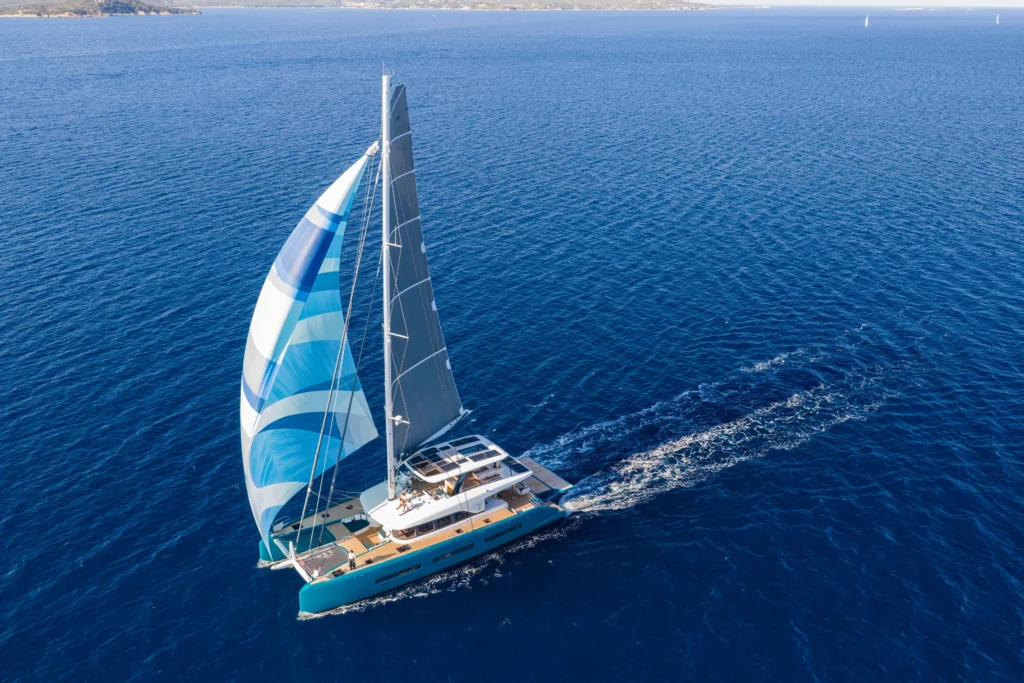
The lesson I took from the Tuamotu spearfishing morning is the lesson that the Naora voyage consistently produces in slightly different forms in each place it visits: the knowledge that belongs to the place is deeper than the knowledge brought to it, and the encounter with that depth is the encounter that makes the visit genuinely educational rather than confirmatory of what was already known. I came to the Tuamotu knowing how to spearfish.
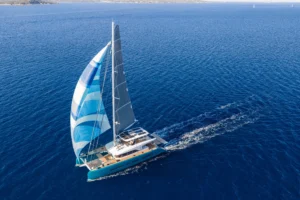
I left knowing something about spearfishing that no previous reef had been able to teach me, because no previous reef was this reef, and this reef’s knowledge required this fisherman, and this fisherman required a boat that was willing to be in his lagoon long enough to earn the morning in the water alongside him.