I have been on boats in Force 9 storms. I have dived in currents that I had to fight for every metre of progress. I have stood watches at three in the morning in the North Atlantic in weather that required everything I had. None of those things put me on the floor the way a padel court did.
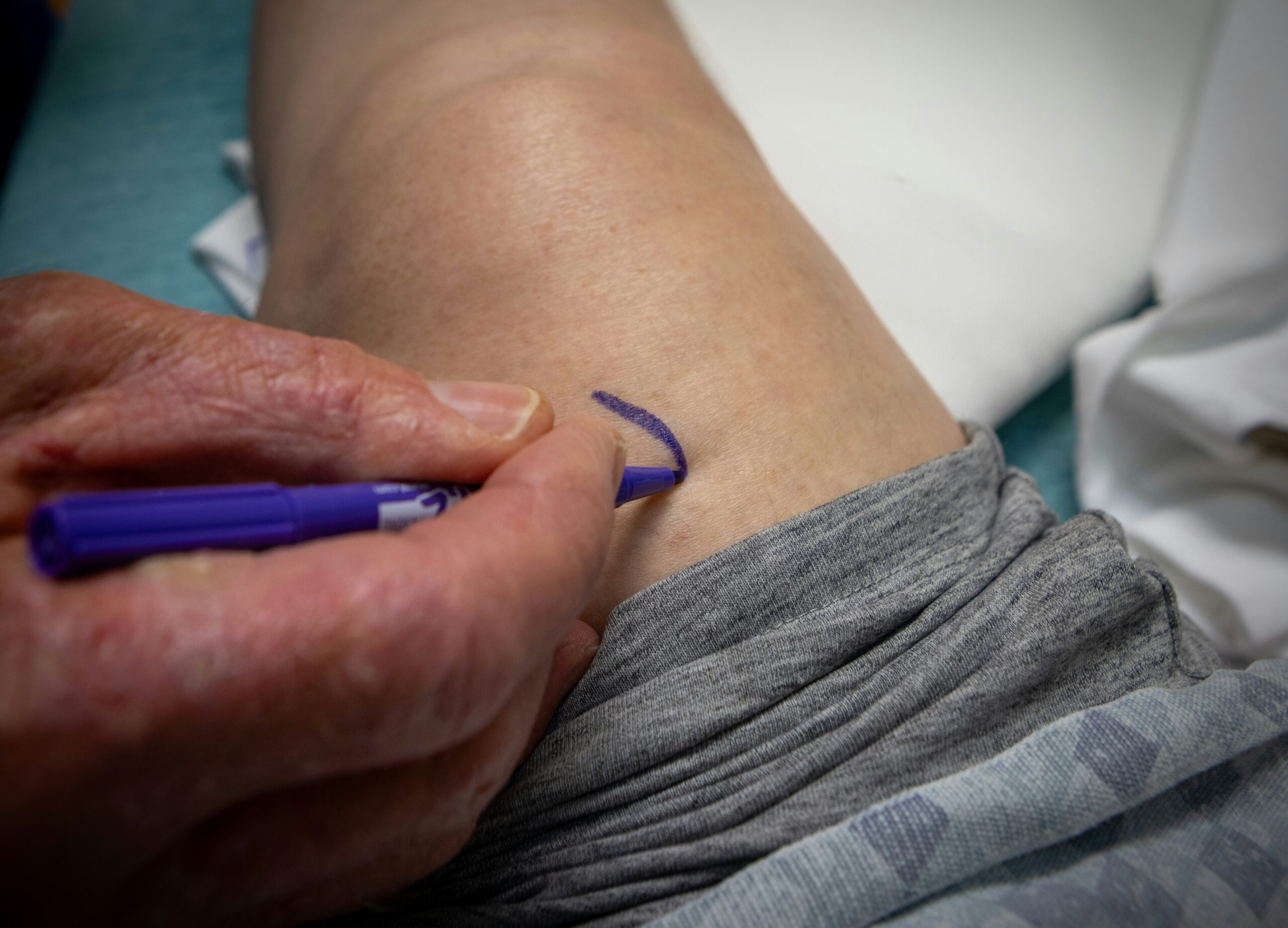
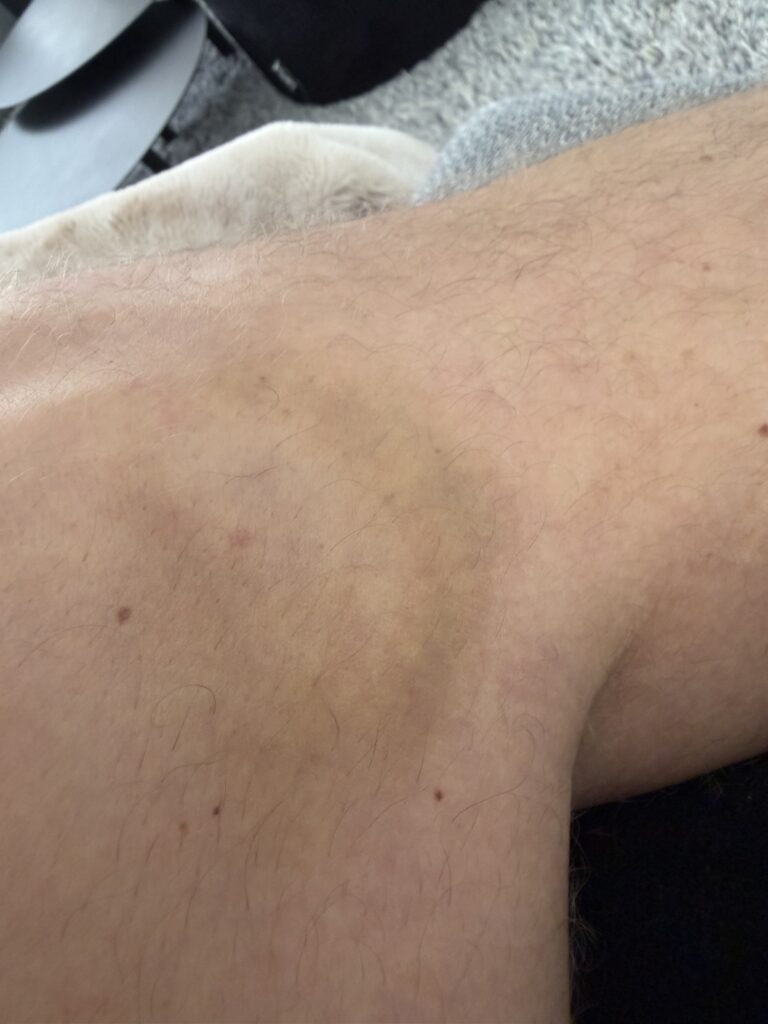
I went through my knee. Not gradually, not with warning: one moment I was moving, the next I was on the ground and the knee had told me, in the clearest possible language, that it was done for the day. Grade 2 tear of the MCL and the ACL. The specific diagnosis came later. In the moment, there was only the floor and the specific quality of pain that tells you something has gone wrong in a way that will take time to undo.
I am writing this three weeks later, on the day I walked upright for the first time since the injury. Not far. Not fast. But upright. And I want to write about it now, while the difficulty is still present enough to be honest about and the progress is recent enough to feel like what it is: a reason to believe.
What Kind Of Person Gets This Kind Of Injury
I play padel three or four times a week. I walk every day. I cycle the equivalent of 27 Nm a week. I have been building fitness specifically and deliberately for the past year with a specific destination in mind: May 2027, Bodrum, the departure of the Naora circumnavigation, and the five years of physical demands that follow it. I am not the kind of person who sits still. I am not the kind of person who ignores what the body requires. I have been treating this year as a preparation year, building the specific fitness that a five-year offshore voyage requires from a founder and captain who plans every weather window and sails every leg himself.
This is the context in which I went through my knee on a padel court. Not through negligence or through ignoring warning signs. Through the specific randomness that the active life occasionally produces: the movement that was identical to a thousand previous movements and that this time, for reasons that biomechanics can explain and that prevention in retrospect is useless for, produced a result that a thousand previous identical movements had not.
I say this not to assign blame or to make excuses but because it is the truth that the injury deserves: it happened to someone who was doing the right things, in a body that was being prepared rather than neglected, and it happened anyway. The body is not a machine that rewards maintenance with immunity. It is a biological system that operates with probabilities rather than guarantees, and some days the probability produces the wrong result regardless of what you did to improve the odds.
The Waiting
The hardest part of an injury for a person who does not sit still is the sitting still. The three weeks between the injury and this morning’s walk have contained a quality of frustration that I did not anticipate and that I want to describe honestly because I think it is common and because I have not seen it described honestly very often. It is not dramatic frustration.
It is the low and continuous frustration of a person who knows what they are supposed to be doing and cannot do it: the padel, the cycling, the daily walk, the physical preparation that was the project of this year and that has been interrupted by something that had nothing to do with doing too much and everything to do with the random variance that the active life contains.
On the 12th of June, we will know definitively whether the injury requires surgery. The MCL and ACL tears are grade 2, which places them in the middle of the spectrum between minor damage and complete rupture: real damage, real consequences, real uncertainty about whether the body can repair them with time and physiotherapy or whether surgical intervention is required to restore the function that the voyage needs the knee to have.
I am working toward the best-case scenario, which is that the physio and the time produce the recovery without the operating table. I am preparing for the alternative, which is that the operating table is part of the path rather than an obstacle to it.
Three Times A Week
The “best” physiotherapist (Lieven Maesschalck) works on the knee three times a week. I will not pretend the sessions are comfortable, because they are not: rehabilitation from ligament damage is painful in the specific way that necessary things are sometimes painful, and the pain is the cost of the progress rather than a sign that something additional is wrong.
I have learned to distinguish the two kinds of pain. The kind that says stop is the kind I have heard from the body before and taken seriously. The kind that says this is working is the kind that the physio sessions produce, and I am learning to receive it as information rather than as suffering.
The progress, measured against the baseline of three weeks ago, is real. The morning I walked upright was the clearest single measurement of it, but the progress had been present before that morning in smaller indicators: the reduction in swelling, the increase in the range of motion that the morning assessment produces, the specific quality of the knee under load that has been changing week by week in the direction the physio is working toward. The body is doing what it is supposed to do. The work is being done. The question of June 12th is still open, but the direction is not.
What Has Happened While I Was Grounded
I want to write about this because it has been one of the more specifically moving experiences of the past three weeks, and because it tells something important about what Naora actually is at its foundation.
While I have been unable to be physically present in the way that preparation requires, Antony, Naora’s co-founder, has been working with our partners to advance everything that needs to be advanced on a timeline that does not pause for injuries. Our shore team has been supporting that work, which matters in a way that I find difficult to articulate. There is the partnership of the two of us who founded Naora, and there are the people ashore who help us turn those plans into something real. Their commitment is something I did not take for granted and am not taking for granted now.
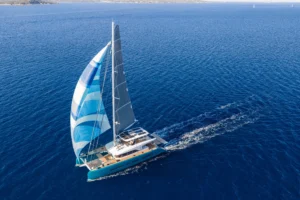
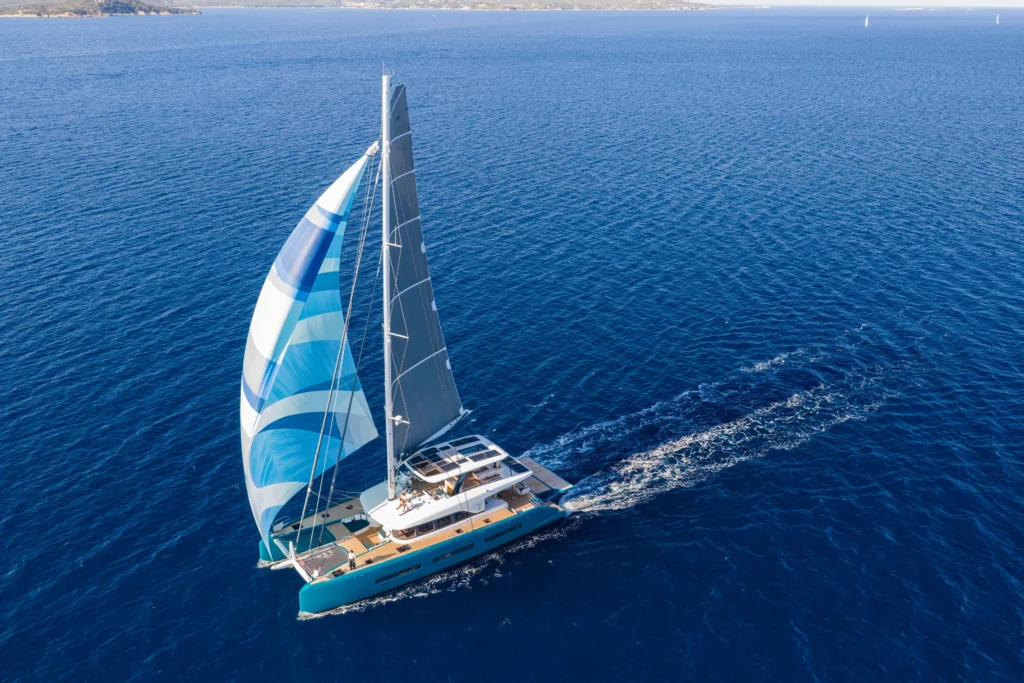
Antony has also been working with Lagoon directly, advancing the relationship with the shipyard in ways that require the kind of specific attention to detail and the kind of direct personal engagement that Discovery, our 2025 Lagoon Eighty2, deserves. The conversations with Lagoon are not administrative conversations. They are the conversations that will determine the specific way that the vessel is configured for a five-year circumnavigation, and Antony is having them with the care that they require.
Watching this happen from a position of temporary physical limitation has produced something in me that I want to be honest about: gratitude, which is not a word I use loosely or easily. Not the gratitude of someone who is surprised to find that people care. The gratitude of someone who built something with a co-founder he believed in and who is watching him be exactly the person he believed he was, independently of whether he is in the room to observe it. That is the different kind of gratitude. The kind that comes from being right about something important.
What The Sea Teaches About Recovery
I have been sailing for twenty-five years and the sea has taught me specific things about patience that I am now applying to a context the sea did not directly produce. The recovery from a serious ligament injury is not so different from the recovery from a difficult passage: the damage is real, the conditions that produced it are no longer the current conditions, and the question is not what happened but what happens next and at what pace and with what quality of attention to the process rather than the destination.
On a difficult passage, the mistake is to push for the destination when the conditions are not ready. The boat in deteriorating conditions at night 50 Nm from port is not improved by driving toward the port faster than the conditions allow. The boat is improved by managing the conditions correctly in the moment and arriving when the conditions have changed rather than when the schedule required. The lesson is always the same: the destination is real, the timeline is real, and between the two there is a process that has its own pace and that does not improve by being ignored.
The knee is teaching me the same thing. The destination is May 2027 and the physical condition required to captain a five-year circumnavigation. The process between now and then is the physiotherapy three times a week, the June 12th decision, whatever comes after it, and the specific quality of patience that the process requires from someone who is accustomed to being the person who makes the boat go and who is currently being required to let the body do what it does without his interference. This is the hardest part. It is also the part I recognise.
We Are Coming
This weekend I walked upright. Next week I will walk further and with less pain. The week after that I will walk further still. On June 12th we will know whether surgery is part of the path, and if it is, we will take that path with the same attention and the same belief in the outcome that the physiotherapy has received since the first session. By the end of the summer the padel court will still be there and I will return to it. By the end of next year the fitness that this year was building toward will have been rebuilt, and more carefully, because an injury teaches you things about the body that no amount of preventive training does.
In May 2027 I will be standing on the deck of Discovery in Bodrum harbour, on a knee that has been through something and come out the other side of it. The voyage will begin the way voyages begin: with the lines coming off the dock and the boat moving into the water and the horizon opening in every direction.
The knee will be part of the story of how we got there. Not the central part, but a real part: the specific reminder that the things worth doing require the specific quality of commitment that does not stop when the difficulty arrives but continues through it, at the pace the difficulty requires, until the other side appears.
We are coming.