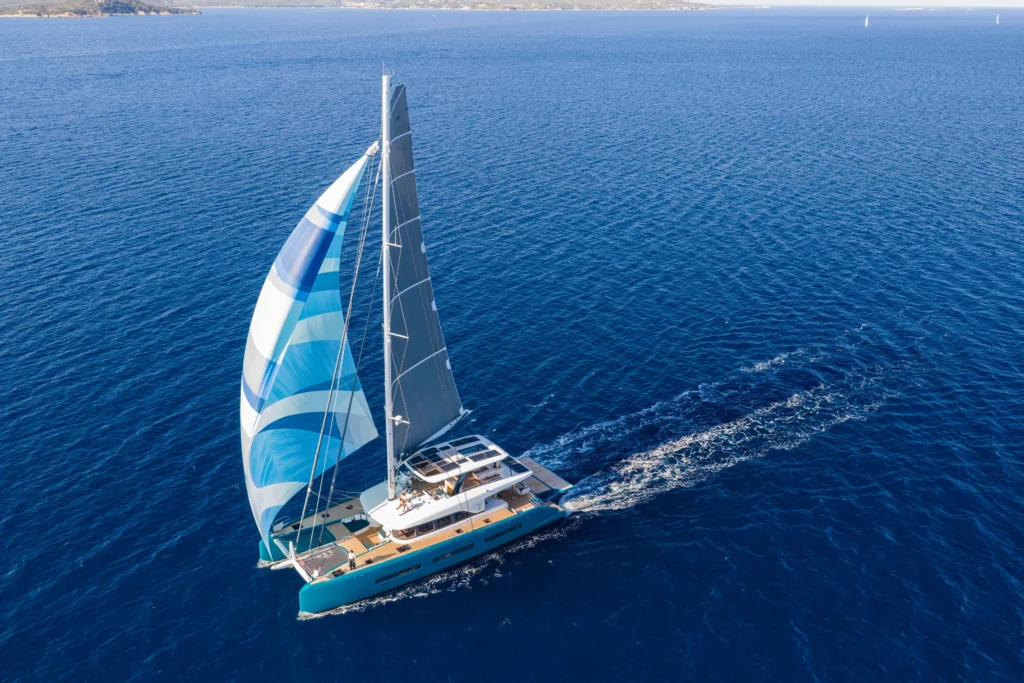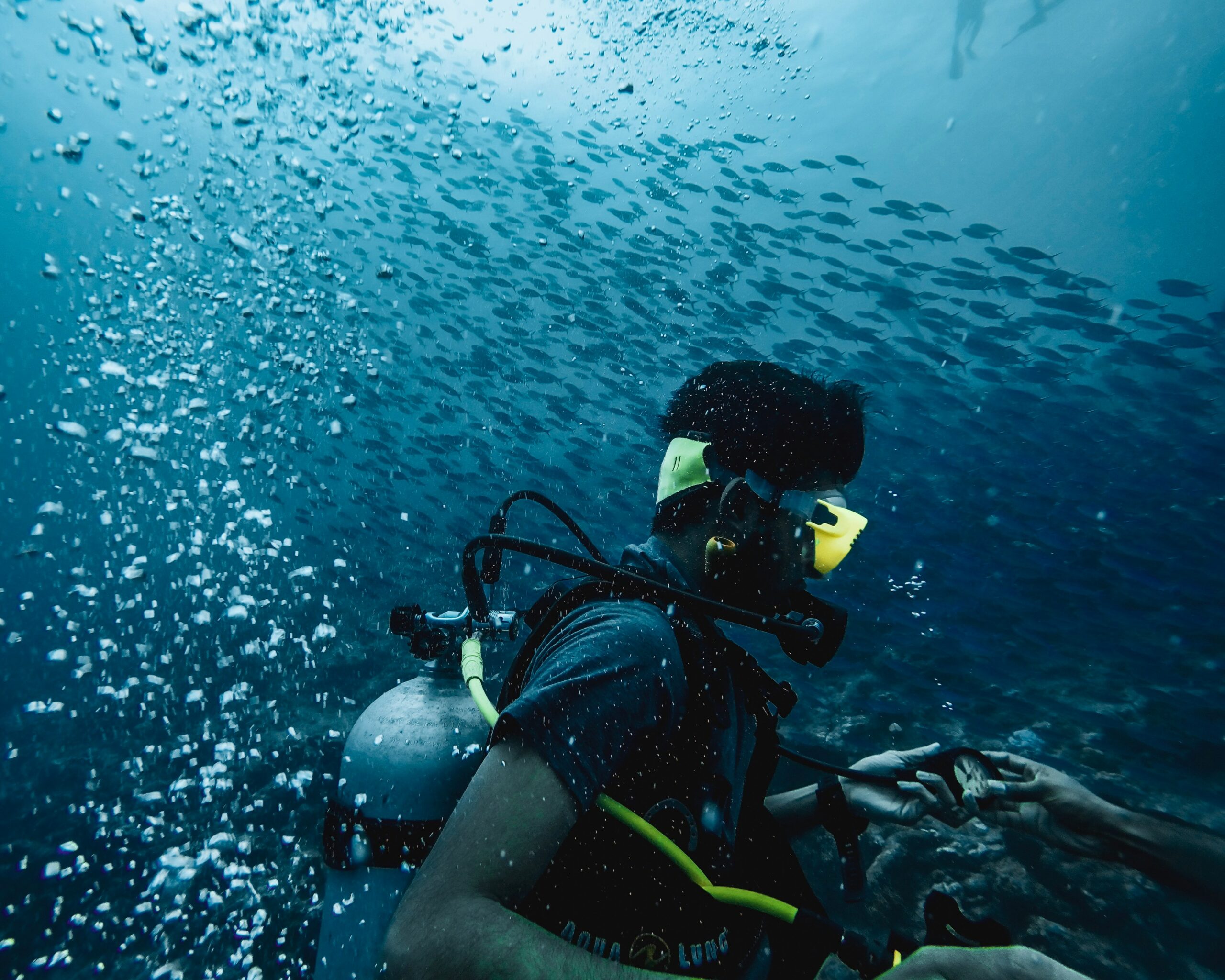
Yes. The direct answer first, because the question is asked often enough and deserves a direct answer before the explanation that follows it. Non-divers come aboard Naora and have a complete and extraordinary experience of the underwater world. Diving is not a prerequisite for any leg of the route. The non-diver is not a partial participant in the diving culture of the boat. They are a snorkeller, which in many of the finest reef environments on the Naora route is the correct way to enter the water rather than the limited one.
What Snorkeling Provides
The shallow reef environments that snorkeling accesses are, at many of the Naora route’s finest sites, the most biodiverse and most colourful part of the reef. The Coral Triangle shallows in Indonesia, described in a separate article, contain more species per square metre than the deeper sections of the same reef because the shallow water’s light intensity supports the coral growth and the fish density that depth reduces. The Tuamotu atoll lagoons are snorkeling environments of extraordinary quality: the visibility is exceptional, the coral is healthy and complex in the first two metres, and the fish life is as rich in the shallows as at any depth the scuba diver reaches.
The whale shark, the largest fish in the ocean and one of the most significant encounters on the Naora route, is a surface and upper water column feeder: the snorkeller who enters the water correctly alongside a feeding whale shark is having the same encounter as the scuba diver, and in some respects a more intimate one because the surface position allows the snorkeller to see the full length of the animal from above rather than the limited view of the scuba diver who is constrained to the animal’s flank by the depth of their equipment.
Should You Learn to Dive Before Joining
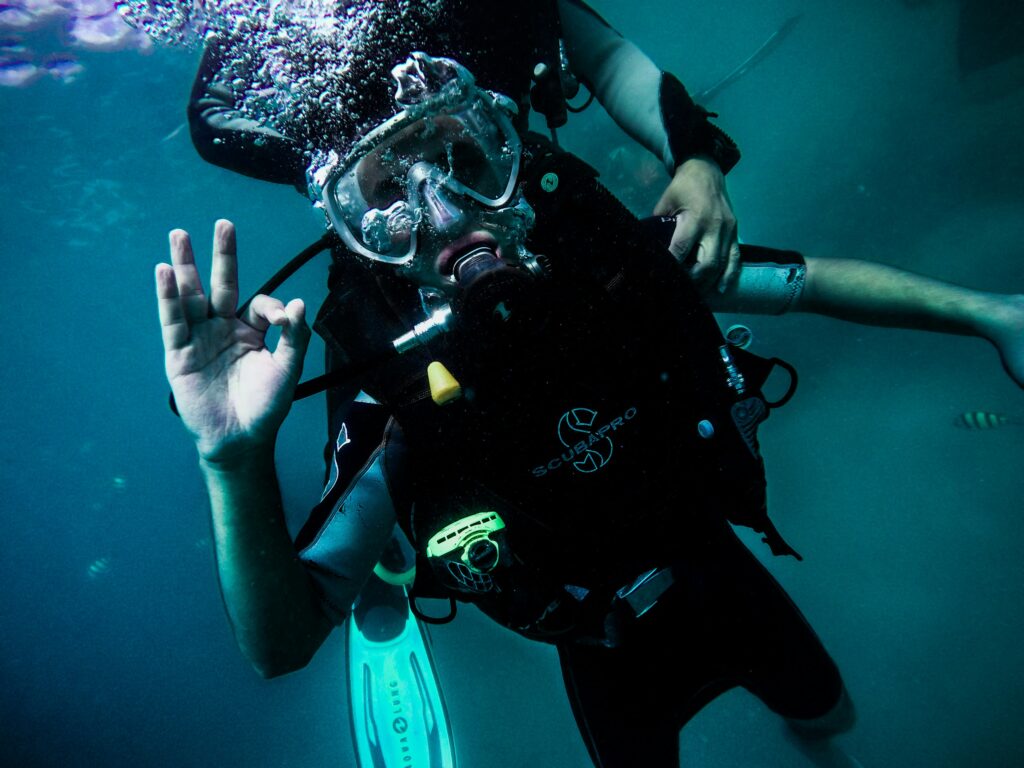
If you are considering learning to dive before joining Naora, learn to dive. The additional depth and the specific encounters that scuba provides at the Naora sites are genuinely worth having: the outer walls of the Tuamotu at twenty metres, the hammerhead aggregations at Brothers Islands, the night dive bioluminescence with the torches off. These are experiences that snorkeling cannot provide and that are among the most specific encounters the route offers.
The PADI Open Water or CMAS level 1 certification, which is the minimum required to dive at the Naora sites, takes three to five days of instruction and pool work and open water dives at any dive school. It can be completed before any leg of the route and it opens the full range of the Naora underwater offer. If you are joining the route and have the time and the access to a dive school before departure, the investment is worth making.
If you cannot or choose not to learn to dive before joining, you will not have a lesser experience of the Naora voyage. You will have a different and complete one: the snorkelling at the finest reef environments in the world, the whale shark and the manta ray encounters accessible from the surface, the specific quality of the underwater world at depth visible from above when the water is clear enough. Most non-divers who join Naora return from the first leg wanting to learn to dive. This is the most reliable endorsement of what the diving offers, and it is available regardless of whether you arrive with a certification card or without one.