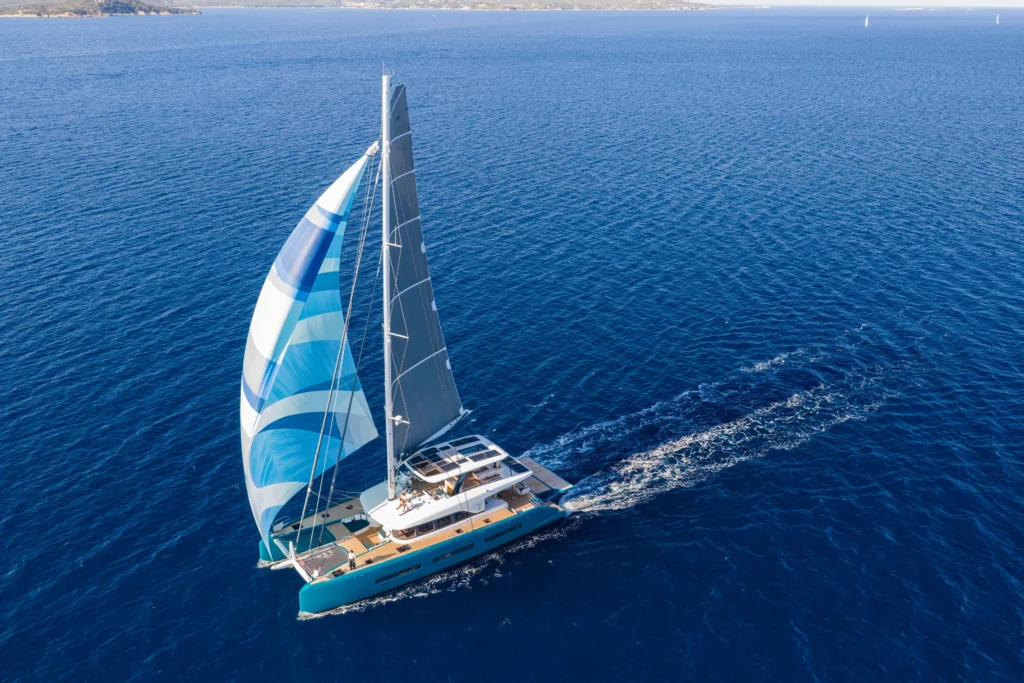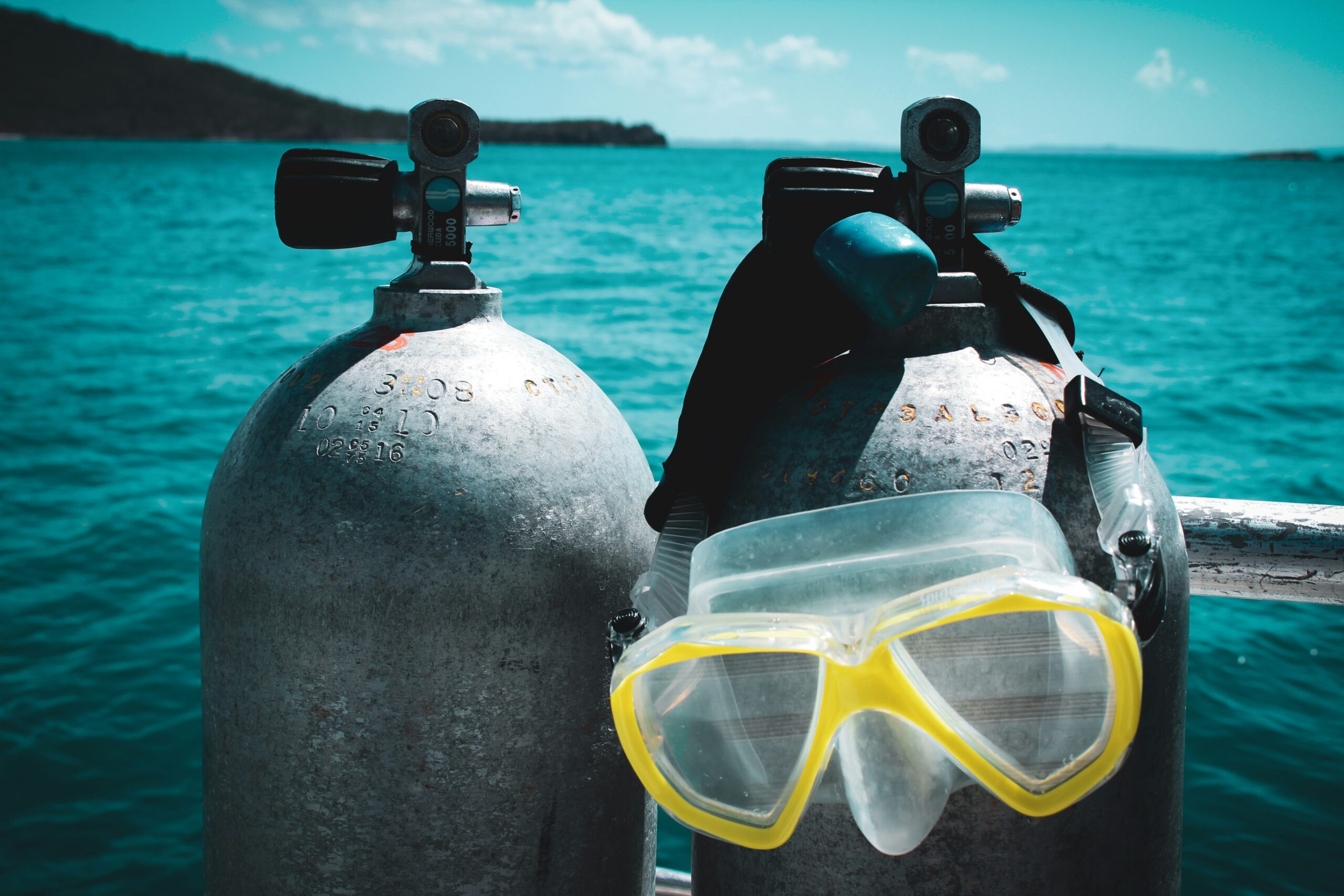
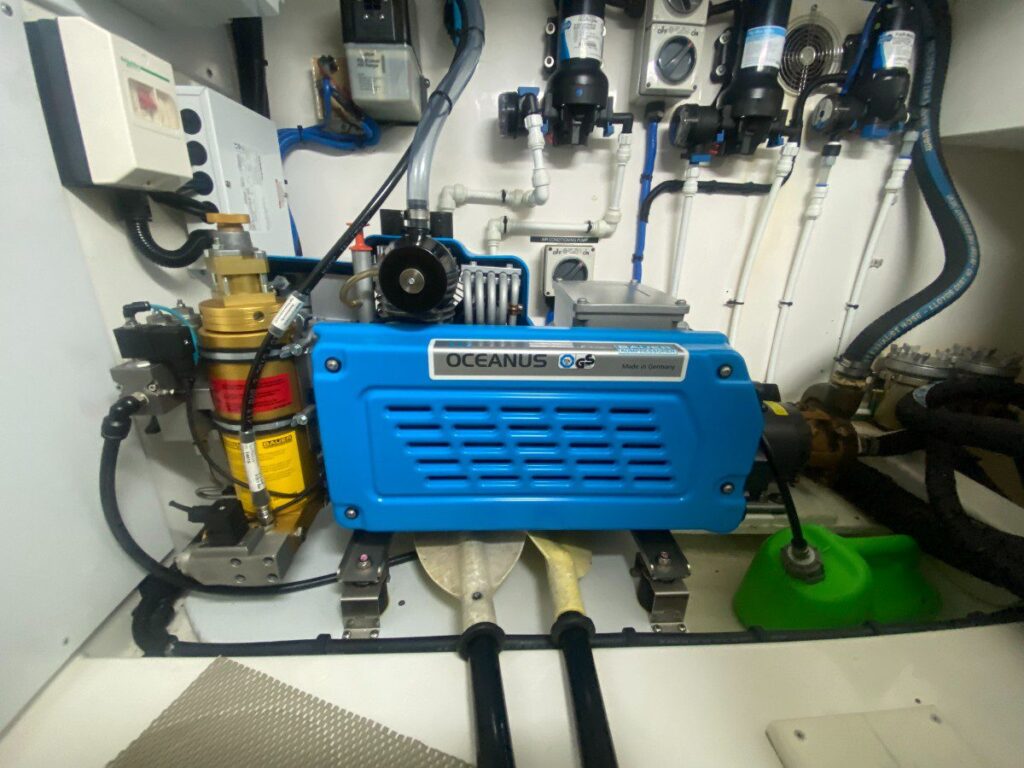
The Eighty2 carries a 300-bar Bauer diving compressor with DIN and international connections. This is not standard equipment on a sailing catamaran of this size. Most sailing boats that carry diving equipment carry tanks and regulators and wetsuits, and they fill their tanks at dive centres in the ports they visit. This approach works in the Mediterranean and in the Caribbean and in the areas of the Pacific and Indian Ocean where dive centres are accessible from the anchorages the boat visits.
It does not work in the outer Tuamotu atolls, where the nearest dive centre is several days’ sailing away. It does not work at the Brothers Islands in the Red Sea, where the dive site is an offshore reef structure in open water with no shore infrastructure of any kind. It does not work at the specific remote sites throughout the Naora route that are the finest diving available precisely because they are far from the infrastructure that most visiting divers require.
The compressor removes the dependency on shore infrastructure for every dive on the route. It is the piece of equipment that makes the Naora diving offer what it is: the ability to dive the finest sites in the world rather than the finest sites accessible from a port with a dive centre.
300 Bar: Why It Matters
300 bar is the pressure at which modern dive tanks are filled for maximum air capacity. A 12-litre tank filled to 300 bar contains 3,600 litres of compressed air at surface pressure, which provides approximately one hour of bottom time at ten metres or approximately thirty minutes at twenty metres for an average air consumption rate. The 300-bar fill is the standard for European and serious diving operations worldwide: some cheaper and smaller compressors fill to only 200 bar, reducing tank capacity by a third and bottom time accordingly.
DIN and international connections cover the two regulator fitting standards used globally: DIN, the screw-in fitting used in European diving and by most serious technical divers, and the international A-clamp fitting used in most of the world’s recreational diving. Carrying both means that any certified diver with any regulator configuration can fill and use tanks from the Naora compressor regardless of where their equipment was bought or what standard it was built to.
What Self-Sufficiency Means in Practice
In practice, the compressor means that the diving day on Naora is organised around the dive site rather than around the dive centre’s schedule. We anchor at the site. We fill the tanks at anchor if they need filling, which the compressor does in approximately the same time it takes to prepare the rest of the dive equipment. We dive when the conditions are correct for the specific site, which is determined by the tide and the current and the light rather than by the opening hours of a shore operation.
For the sites that matter most on the Naora route, this self-sufficiency is not a convenience. It is the condition that makes the dive possible. The outer Tuamotu pass dive at Fakarava, the Brothers Islands at the southern end of the Egyptian Red Sea, the specific Indonesian channel sites where the tidal current produces the fish aggregations that make the dive what it is: none of these are accessible to a diving operation that depends on shore infrastructure. They are accessible to a boat that carries its own air supply and its own experienced divemaster and is willing to anchor in open water far from the nearest port and dive the site on its own terms.