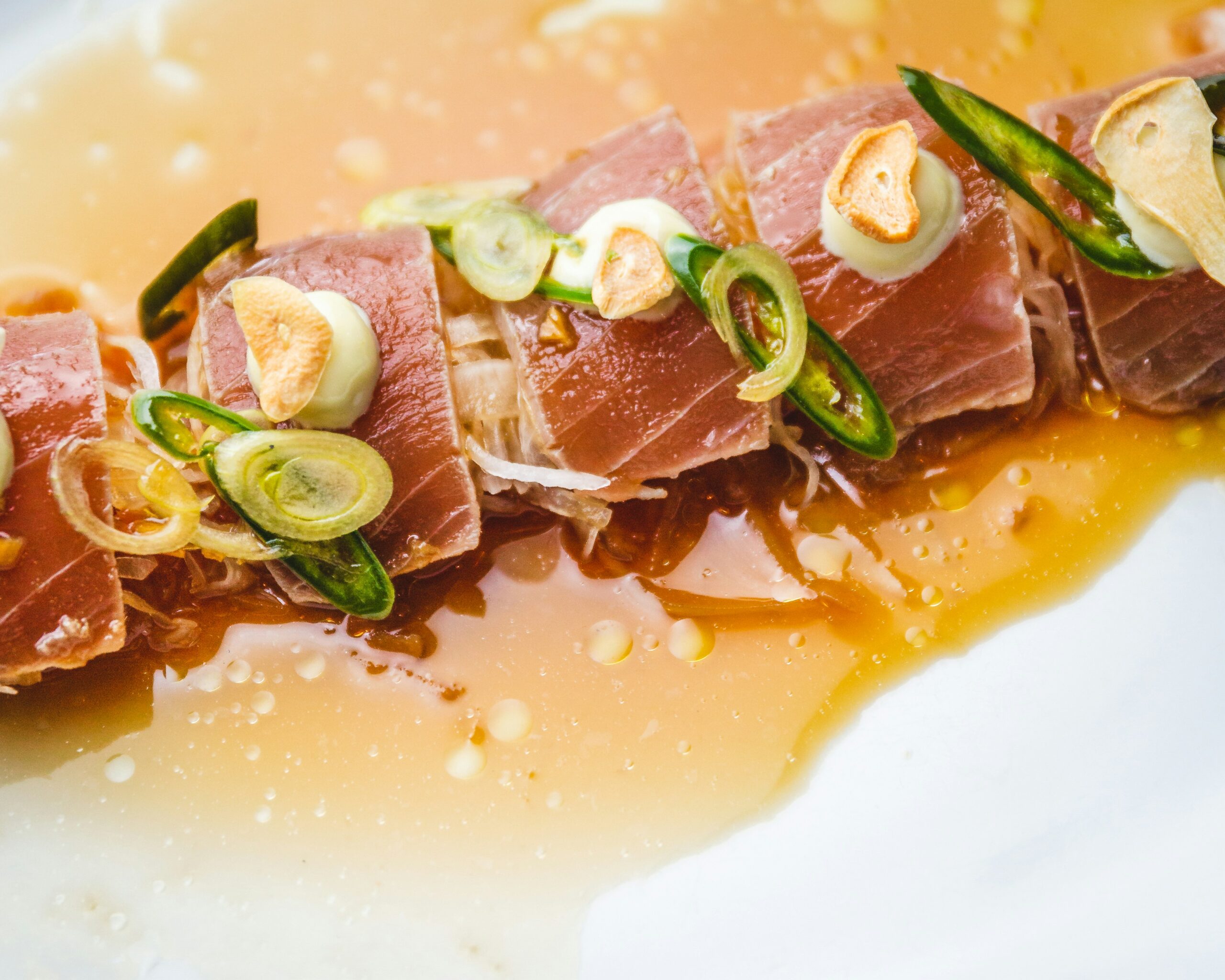
In Japan, the bluefin tuna is treated as a luxury ingredient and subjected to the specific reverence that Japanese culinary culture extends to exceptional raw materials: the careful selection, the precise butchery, the minimal preparation that allows the ingredient to express itself fully.
In Spain, specifically in the southern Atlantic coast around Barbate and in the broader region that encompasses Cartagena and the Murcian coast, the bluefin tuna is treated with exactly the same reverence and has been treated that way for considerably longer. The Japanese discovery of the bluefin is recent. The Spanish knowledge of it is ancient.
The Almadrabas
The almadrabas are the traditional bluefin tuna trap systems of the southern Spanish Atlantic coast, in continuous operation since the Phoenicians established them approximately three thousand years ago and developed by the Romans into the systematic industry whose ruins are still visible at sites along the Cádiz and Huelva coastlines.
The almadraba is a fixed net system set in the path of the bluefin migration: the tuna pass through the Strait of Gibraltar in late spring on their way from the Atlantic to the Mediterranean to spawn, and the almadraba channels them through a series of net chambers that progressively reduce their room to move until the final chamber, the cámara de la muerte, where they are harvested.
The almadraba harvest is a seasonal event, occurring over approximately six weeks between April and June when the tuna migration is at its peak. The fish harvested in this period are at the peak of their condition: full of the Atlantic fat reserves they have built through the year, their flesh at its most marbled and most flavourful, their size at its maximum.
A single almadraba bluefin can weigh three hundred kilograms. The harvest is limited by the biology of the migration and by the regulatory framework that manages the bluefin population’s sustainability, and the combination of these limits makes the almadraba tuna one of the most genuinely scarce luxury food products in the Mediterranean world.
The Cuts
The traditional Spanish butchery of the bluefin is called the ronqueo, named for the sound the knife makes against the spine of the fish. Like the Japanese Hon Maguro butchery, the ronqueo recognises that different parts of the fish have different flavour and textural qualities and require different preparations. The Spanish names for the cuts have been in use since the Moorish period and are as specific in their reference as any wine appellation.
The morrillo is the neck muscle, the darkest and most intense part of the fish: deeply flavoured, with a high fat content and a texture that benefits from slow cooking as much as from raw preparation. The ventresca is the belly, the most prized cut for those who understand the fish: creamy, almost melting in texture, so high in fat that it needs no addition and benefits from the simplest possible preparation.
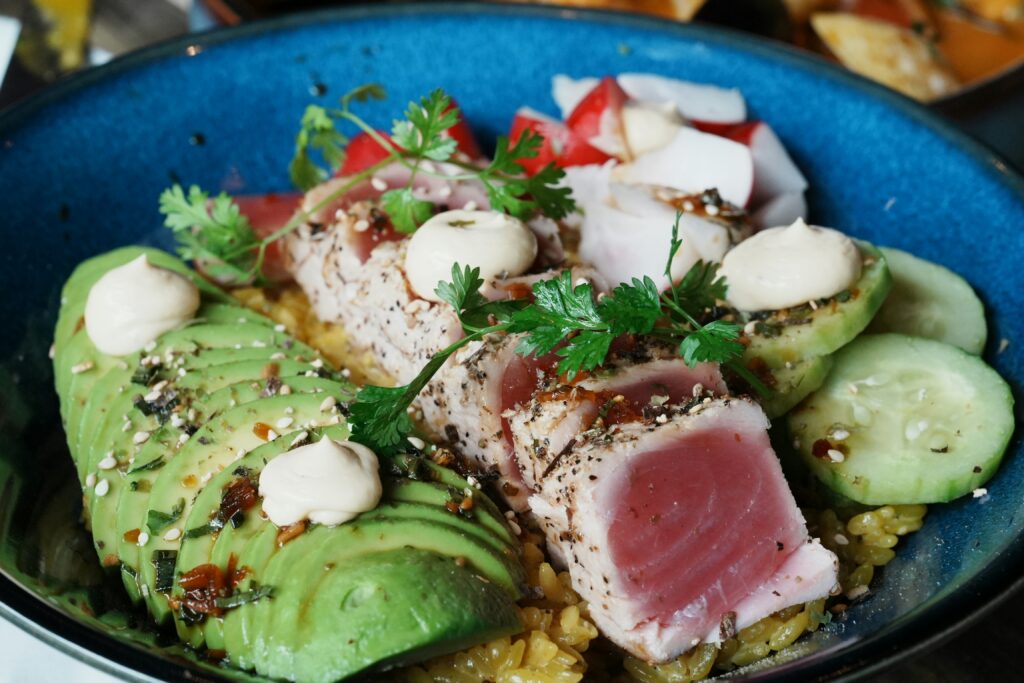
The lomo is the main loin, the section most people encounter when they eat fresh tuna: firm, deep red, the familiar steaking cut that grills well and makes exceptional sashimi. The ijada is the flank, more muscular and less fatty than the ventresca but still specific in character.
Why You Will Find It Aboard
The Naora route passes through Cartagena and the Murcian coast during the period when the almadraba season is either active or recently concluded, and the preserved tuna products that the southern Spanish producers make from the harvest, the mojama (salt-cured dried tuna loin) and the bottarga equivalent made from tuna roe rather than mullet roe, are available throughout the year.
On Naora, the fresh bluefin appears when the route is in the south of Spain during or immediately after the season, purchased at the dockside market in the form that the local fishmonger recommends for the day’s conditions and the chef’s intentions. The mojama travels with the boat through the Spanish chapter as bottarga travels through the Italian one: the concentrated form of the finest fish available in the region, used sparingly and precisely to add what no other ingredient provides.