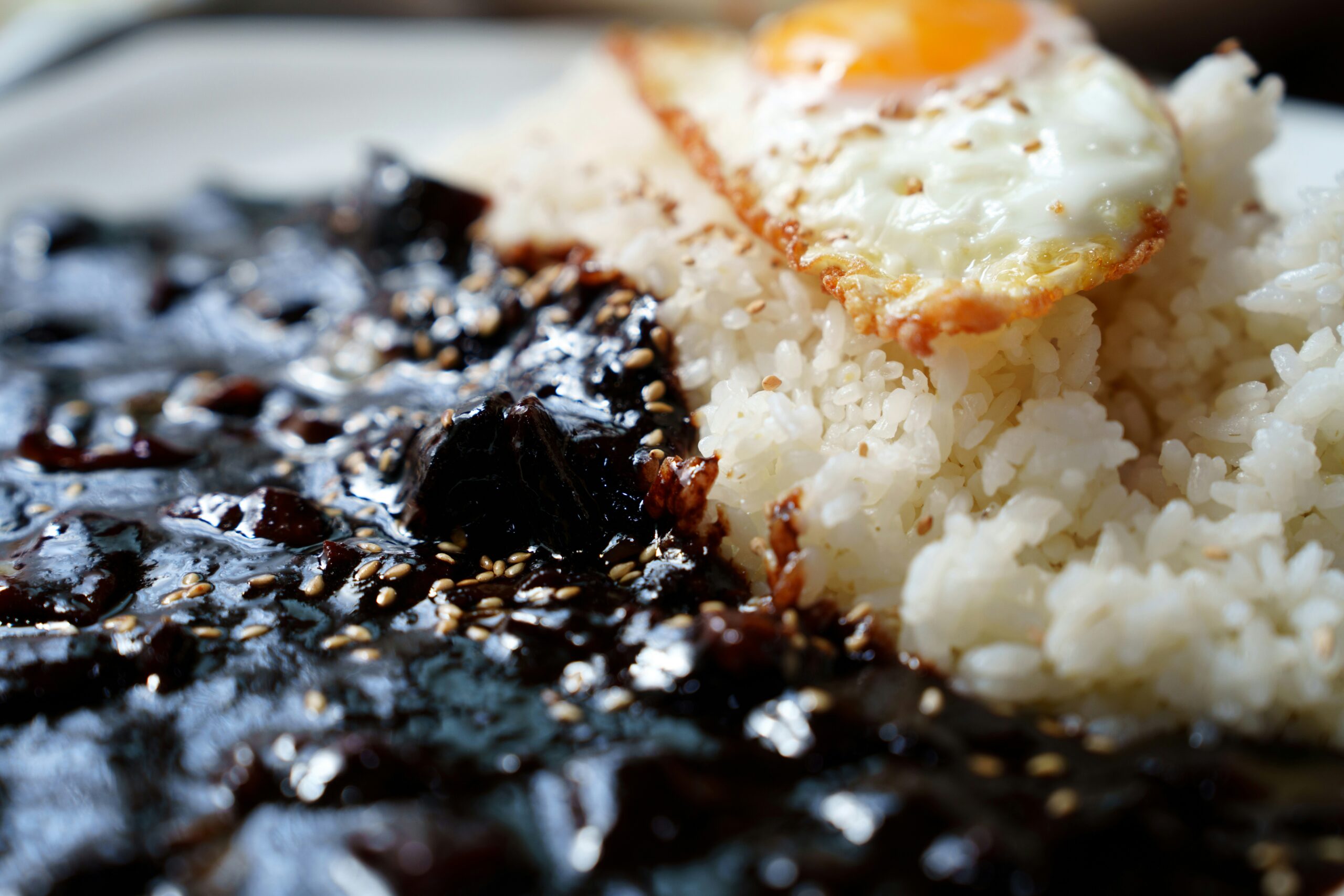
Most people who have eaten paella have eaten a restaurant version that does not fully represent what the dish is in the hands of the people who invented it. This is not an elitist observation: it is the specific consequence of a dish that became globally famous and was reproduced by people far from its origin using different ingredients, different rice, different pans, and different fire at temperatures and for durations that the original recipe does not specify because the people who developed it knew the fire and the pan and the rice already and did not need to write those things down.
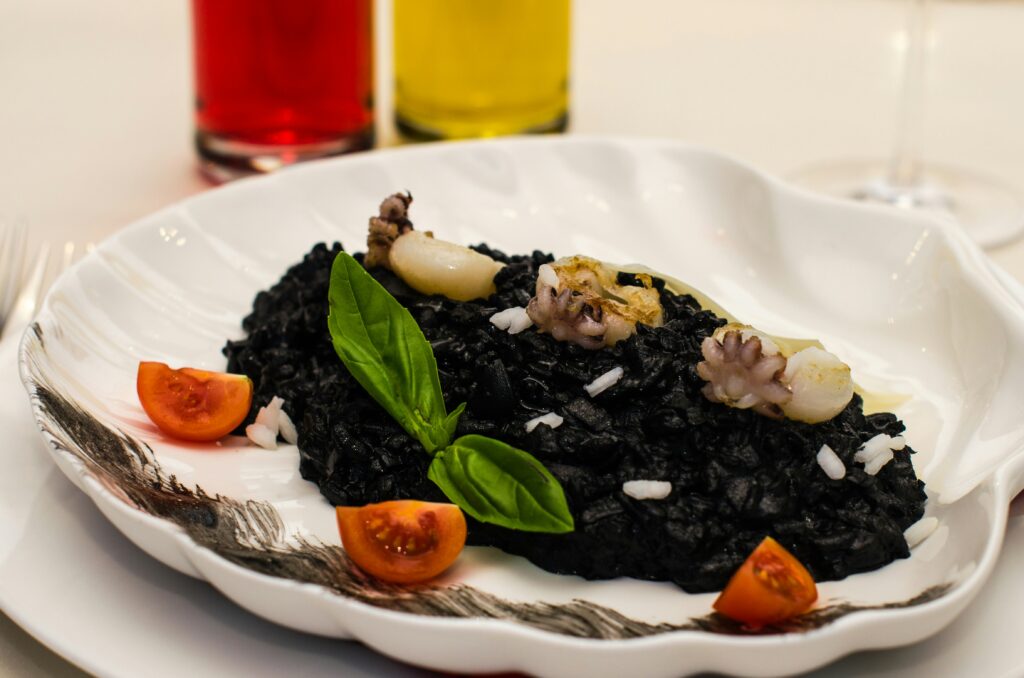
Arroz negro, the black rice of Valencia, is the version of the paella tradition that requires the fewest compromises and produces the most specific result. It is not as famous as paella valenciana and it does not travel as well in the imagination, because its blackness requires explanation before it is eaten and the explanation is always slightly insufficient preparation for the reality of the flavour. But it is, in the judgement of many of the people who have eaten both, the more honest and the more complete expression of what the Valencia rice tradition is at its most serious.
The Ink
The black colour comes from cuttlefish ink, which is not the same product as the squid ink sold in supermarket tubes, though it produces a similar effect. Fresh cuttlefish ink, extracted from the ink sac of the cuttlefish at the moment of preparation, has a flavour that is deeply saline and faintly oceanic, with a richness that the processed tube version approximates but does not fully reproduce. The ink is added to the sofrito at the beginning of the rice cooking and colours the rice as it absorbs the liquid, turning the grains from white to a deep, specific black that is not the black of burning but the black of the sea at depth.
The cuttlefish that provided the ink is typically cooked into the dish as well: cut into pieces and added to the sofrito before the rice, so that the flavour of the animal is present in the dish from multiple sources simultaneously. The combination of the ink in the rice and the flesh in the pan produces the specific totality of flavour that the arroz negro has and that no other preparation of cuttlefish achieves: the sea, completely, in one dish.
The Socarrat
The socarrat is the layer of rice at the bottom of the paella pan that has made direct contact with the hot metal surface for long enough to caramelise rather than just cook: a slightly crispy, deeply flavoured crust that is simultaneously the most technically demanding element of the dish and the most appreciated by the people who eat it correctly. Achieving the socarrat requires maintaining the pan over a consistent heat for the final minutes of cooking, after the liquid has been absorbed, without stirring and without lifting the rice to check its progress, and without allowing the heat to go high enough to burn rather than caramelise.
The correct tool for distributing the heat during this final phase is a wood fire or a gas burner capable of producing even heat across the full diameter of the pan. This is the reason that arroz negro made over a fire on the beach or on the afterdeck produces a better socarrat than arroz negro made on a domestic hob: the fire distributes heat differently than the domestic burner and the result at the bottom of the pan reflects the difference.
Why You Will Find It Aboard
The Naora route spends several weeks on the Spanish Mediterranean coast, passing through Cartagena and the Costa Blanca and the Valencia region before rounding Cap de Creus into France. This is the territory of the arroz negro, the region where the cuttlefish for the ink comes from the morning market and the rice is the Valencian bomba or the Calasparra that the dish was developed for. Our chef makes it on the afterdeck portable setup when the anchorage allows the fire and the conditions allow the time, which is not every week but often enough that it is one of the meals that the Spanish chapter of the route is specifically remembered for. Served with aioli. Nothing else is necessary.