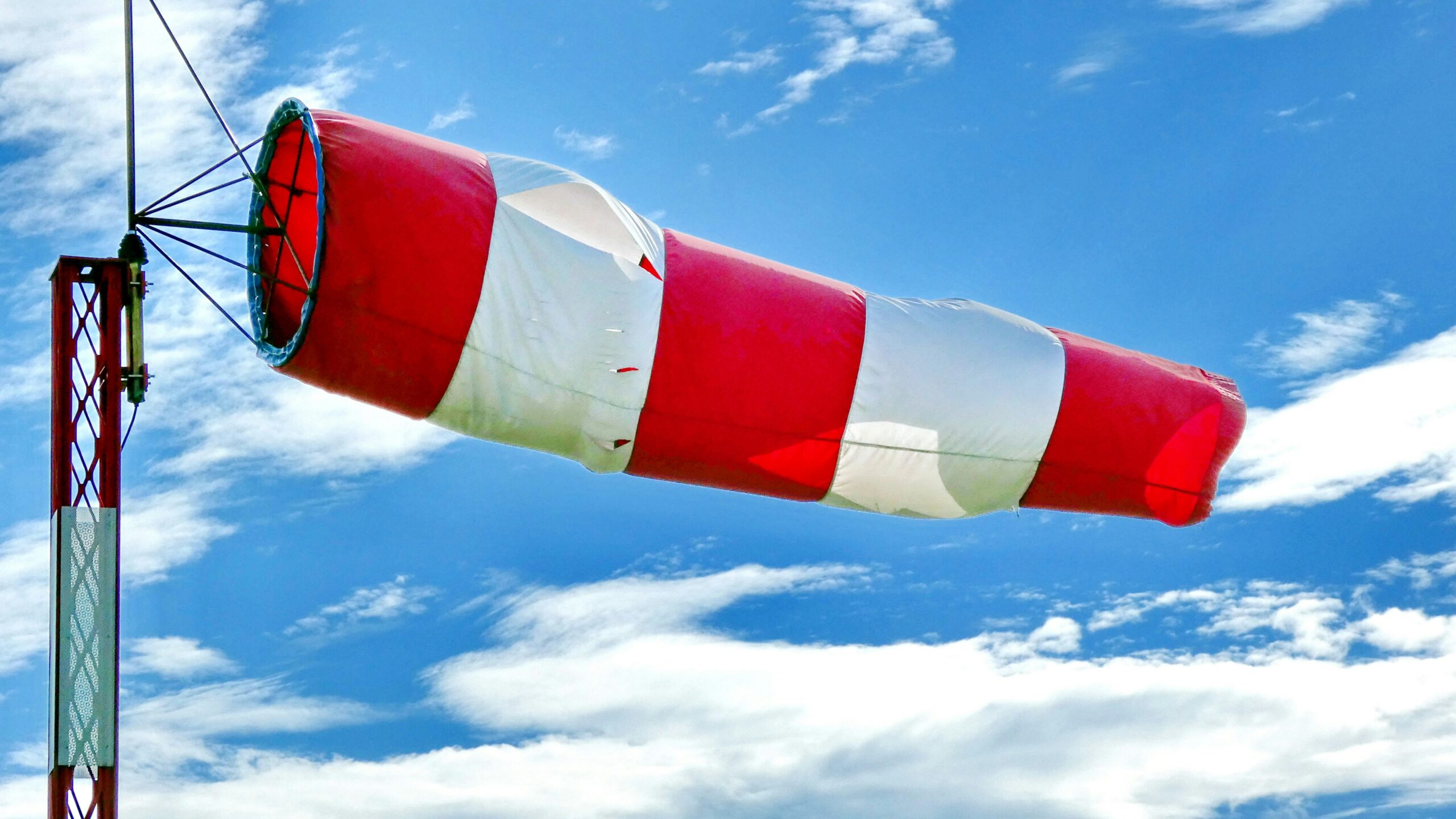
The Beaufort scale is a numerical system for describing wind speed from zero to twelve, developed by Admiral Francis Beaufort in the early nineteenth century as a standardised way to describe wind conditions without instruments. The original scale was defined by the amount of sail a warship could carry. The modern scale is defined by observable sea state criteria: the appearance of the water surface at each number provides a description that is verifiable without instruments and that produces consistent readings across different observers.
What the scale does not provide is the description of what each number feels like from inside a boat. That description is experiential rather than definitional, and it is what this article attempts: not what the Beaufort scale says about each number but what a body on a sailing boat tells you when the number arrives.
Beaufort 1 to 3: The Comfortable Range
Force 1 to 3, one to ten knots, is the range in which most Mediterranean and trade wind sailing happens most of the time. Force 1 and 2 are light airs and a light breeze: the sails are up and drawing but the boat is not moving with any urgency, and the sea surface is barely disturbed. The world is visually serene and audibly quiet, with the sails occasionally shuddering as the boat rolls through the swell, and the motion is gentle enough that a cup of coffee left on the table stays where it is.
Force 3, a gentle breeze at seven to ten knots, is the lower end of sailing conditions that produce genuine motion: the boat begins to heel slightly, the bow wave is audible from the cockpit, and the motion is pleasant without being demanding. Cooking is normal, walking below is normal, sleeping is easy. Force 3 is the condition that most people who describe their ideal sailing day are describing.
Beaufort 4 to 5: Proper Sailing
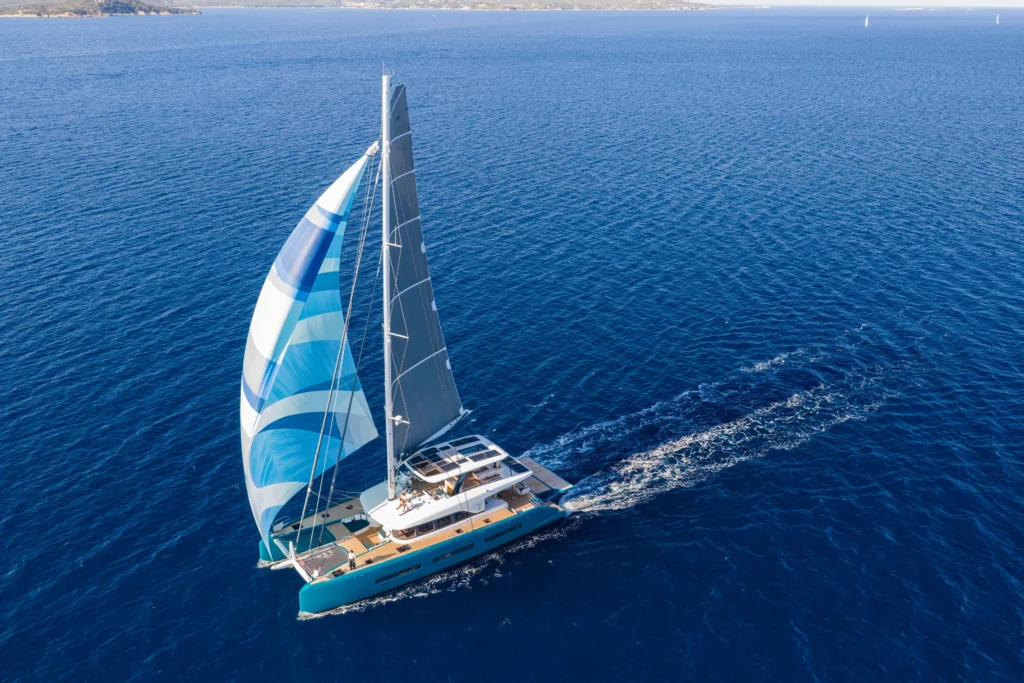
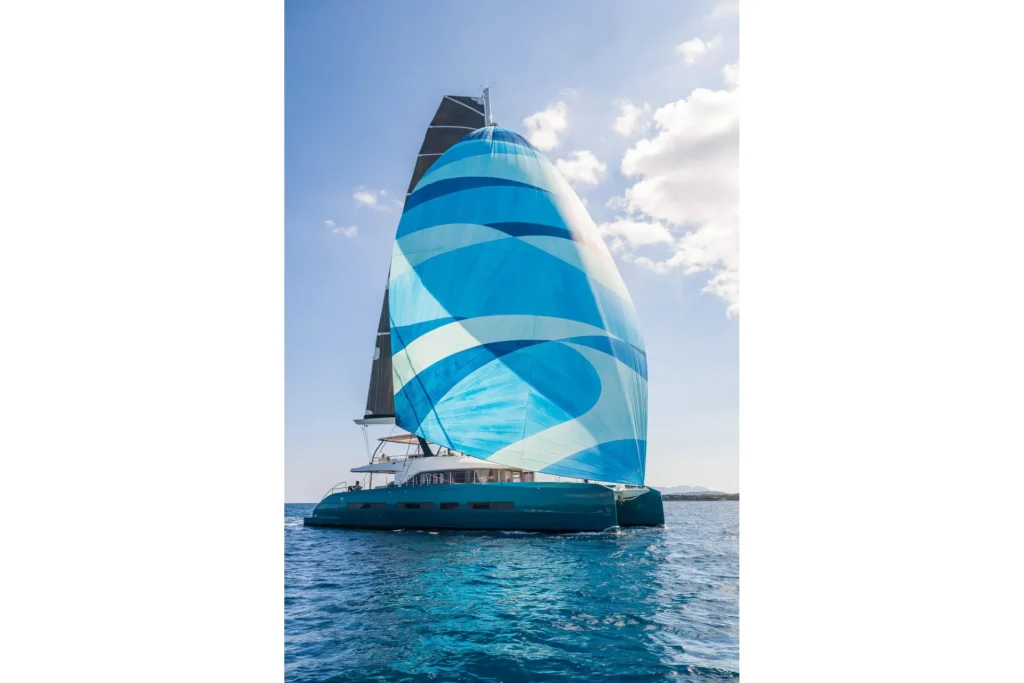
Force 4, a moderate breeze at eleven to sixteen knots, is where sailing becomes properly alive. The boat is moving with purpose, the heel is noticeable, the bow wave is a significant sound from the cockpit and occasionally sends spray across the foredeck. Below decks, moving around requires some attention to what you are holding; the motion is not uncomfortable but the body is no longer on autopilot about managing it. Force 4 is the condition in which the Eighty2 is happiest: the sails are loaded, the instruments show good numbers, and the boat communicates through the helm a quality of aliveness that lighter conditions do not produce.
Force 5, a fresh breeze at seventeen to twenty-one knots, is the upper end of comfortable sailing for most boats and most crews. The sea has moderate waves with some whitecaps, the spray is reaching the cockpit regularly, and the sound of the rig has risen in frequency. A first reef in the mainsail at the upper end of Force 5 is not cautious: it is the correct sail management decision that keeps the boat balanced and the helm comfortable. Below decks, cooking requires using both hands on the stove, the cups are put away if they are full, and sleeping in the berths is excellent because the motion is sufficient to produce the rocking that the body responds to as deeply relaxing.
Beaufort 6 to 7: The Boat Goes to Work
Force 6, a strong breeze at twenty-two to twenty-seven knots, is where the sail plan requires careful management. The boat should be reefed before this arrives rather than in it: a double reef in the mainsail and the genoa rolled to a fraction of its full area produces a boat that is balanced and comfortable in Force 6. A boat that is overpowered in Force 6, carrying too much sail because the skipper was late with the reef, is a boat that is being sailed defensively rather than confidently and that will be significantly more difficult to manage if the conditions continue to build.
The body in Force 6 on the Eighty2 is working. Not strenuously: the catamaran’s stability means the heel angle stays manageable and the cockpit is not awash. But purposefully: moving between stations requires two hands, the cockpit table comes down if it was up, the watch crew is sitting to windward and monitoring the conditions rather than reading or talking. Below decks, meals are eaten from bowls with lids on the pots, the fiddles on the counter are in use, and the person sleeping is wedged into their berth rather than simply lying in it. The sound of the rig in Force 6 is loud enough to be the background to conversation rather than the background to silence.
Force 7, a near gale at twenty-eight to thirty-three knots, extends Force 6 in character rather than changing it categorically: more of the same, harder. The waves are larger and the crests are breaking more frequently, the spray is reaching the flybridge, and the watch crew is in full foul weather gear regardless of the air temperature. This is the upper end of conditions that the Naora route encounters regularly, and it is entirely manageable in a well-found boat with an experienced crew and appropriate sail reduction. It is not comfortable. It is not supposed to be. It is the sea doing what the sea does in conditions that require the boat and its crew to be what they are designed to be.
| Force | Knots | Sea state | What it feels like aboard the Eighty2 |
|---|---|---|---|
| 1–2 | 1–6 | Rippled surface | Coffee stays on the table. Sails shudder in the swell. Serene |
| 3 | 7–10 | Small wavelets | Slight heel, bow wave audible, pleasant motion. The ideal sailing day |
| 4 | 11–16 | Small waves, some whitecaps | Boat alive, heel noticeable, spray on foredeck, instruments showing good numbers |
| 5 | 17–21 | Moderate waves, frequent whitecaps | Spray to cockpit, rig frequency rising. First reef correct sail management |
| 6 | 22–27 | Large waves, spray | Double reef and reduced genoa. Watch crew working, not reading. Loud |
| 7 | 28–33 | Breaking crests, heavy spray | Full foul weather gear, meals in bowls, wedged into berths. Manageable. Not comfortable |