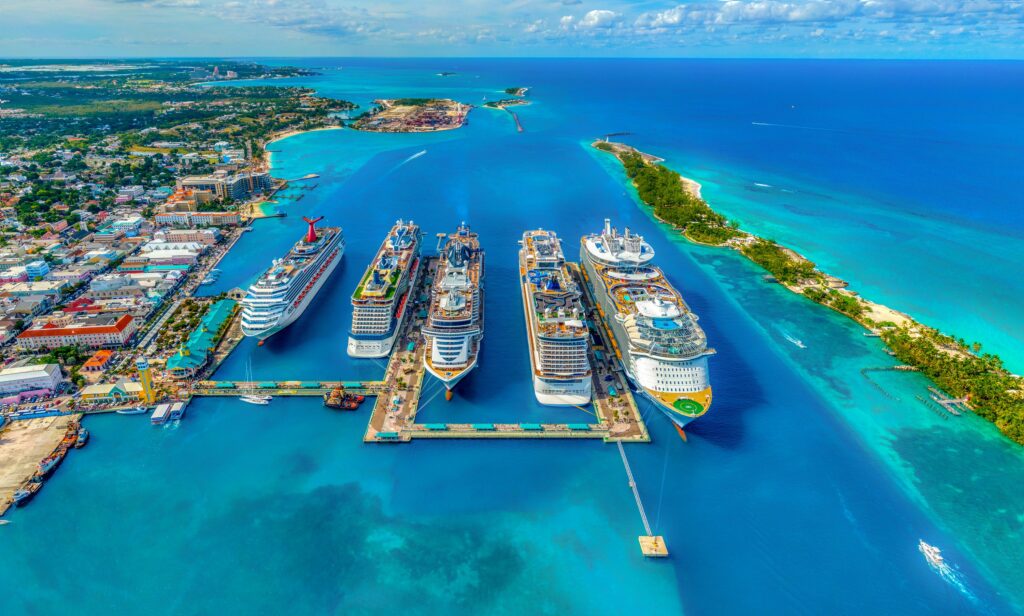
Let us be specific about the money, because vagueness about cost is one of the ways that comparisons become unfair. A premium cabin on an MSC world cruise of six to nine months costs in the range of 80,000 to 120,000 euros, depending on cabin category and the specific voyage.
The Naora membership is not priced at the same level for the same duration, but the comparison of per-week or per-month costs across the duration of the voyages produces a number that is not as different as the initial framing suggests. This article is not a price comparison in the promotional sense. It is an honest accounting of what each of these significant investments actually delivers.
What the World Cruise Delivers
The world cruise delivers genuine value for its price. The infrastructure of a large ship, managed at high quality, across six to nine months of continuous movement through the world’s major ports: this is a substantial logistical achievement that costs significant money to produce. The cabin is private. The meals are included.
The entertainment is continuous. The medical facilities are comprehensive. The shore excursions are organised. The movement through time zones happens while you sleep and you wake in a new port without having to manage the logistics of getting there.
This convenience is real and it has real value. For people whose priority is comfort and coverage, the world cruise delivers both. You will have been to every continent. You will have seen the major port cities of the world. You will have been comfortable throughout. The check marks on the list will be real check marks that represent real physical presence in real places.
What the World Cruise Does Not Deliver
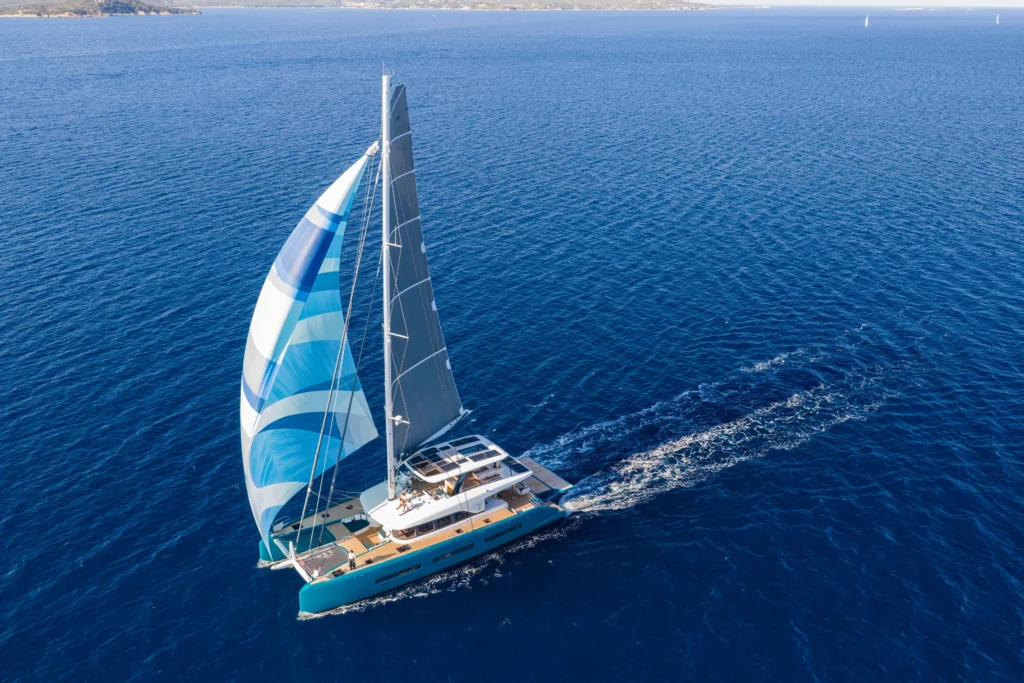
The world cruise does not deliver the anchorage where the boat is the only boat. It does not deliver the bay around the headland that the port infrastructure cannot reach. It does not deliver the three-hour night watch in the Pacific where the stars cast faint shadows from the rigging and the dolphins arrive as moving lights in the bioluminescent water. It does not deliver the Long Table conversation with the park ranger or the fisherman or the village elder who boarded for dinner because the boat had been in the bay long enough to earn the invitation.
It does not deliver the community of twelve people who shared the Atlantic crossing and know each other in the specific way that three weeks in the same small world produces. It does not deliver the specific transformation that extended time in offshore conditions produces in the person who experiences it: the lightening, the clarifying, the quality of thinking that the sea provides when the reactive layer of daily life has been removed for long enough.
It does not deliver the fish caught and eaten in the same afternoon. It does not deliver the morning swim before the bay wakes up. It does not deliver the silence of a Tuamotu lagoon at four in the morning with no other vessel in sight in any direction.
None of these things are available at any price on a ship of 4,000 people. They are available at the Naora price because the Naora voyage is designed around them. The 100,000 euros for the world cruise buys comfort and coverage. The Naora investment buys depth and community and the specific experiences that only the small boat, the long passage, and the unhurried pace produce.
These are not competing products on the same spectrum. They are different things, and the choice between them depends entirely on which of the two lists describes what you are actually looking for.