The expedition cruise is the most honest form of the cruise product because it does not pretend to be something it is not. It goes to places that are genuinely difficult to reach. It employs guides who are genuinely knowledgeable. It manages the encounter with significant natural and cultural environments with a professional care that the mass cruise market does not attempt. For the specific experience it offers, it is often very good.
The problem with the expedition cruise is the conclusion that it tends to produce in the people who take it: that they have now seen Antarctica, or the Galapagos, or the Northwest Passage, in a way that constitutes having experienced it. This conclusion is drawn from the expedition cruise’s success at what it does, not from any deception on its part. The expedition cruise does what it does very well. What it does is not the same as what the conclusion assumes.
What the Expedition Cruise Does
The expedition cruise delivers access. It takes you to places that your own resources would not take you to without extraordinary cost and logistical complexity, and it manages the access in a way that is safe and educational and minimally impactful on the environment it is showing you. The naturalist lecture the night before the shore visit contextualises what you will see. The guide on the zodiac identifies the species and explains the ecological relationships. The shore visit is timed and managed to ensure that the wildlife is not disturbed beyond the level the environment can sustain. This is professional and responsible and genuinely valuable.
What it does not do is give you the place. It gives you a managed encounter with the place, which is a different thing. The managed encounter is designed to optimise the experience for the visitor: maximum educational content, maximum wildlife visibility, minimum discomfort, minimum uncertainty. The optimisation for the visitor experience is simultaneously the thing that makes the expedition cruise work and the thing that prevents it from producing what it claims to produce. You encounter the place on the place’s best behaviour, prepared and managed for your presence. You do not encounter the place as it is when no one is presenting it.
The 150-Person Problem
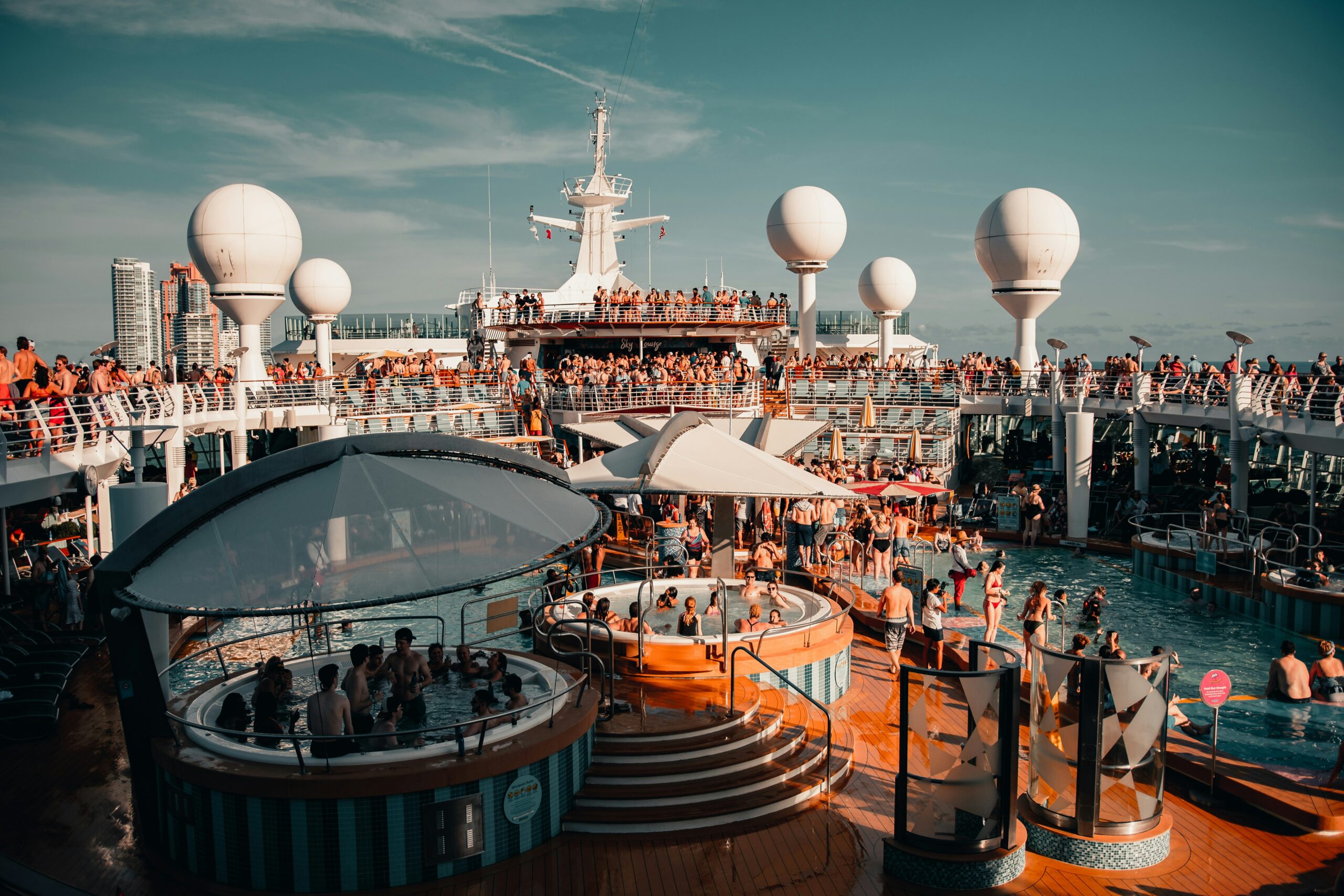
The expedition cruise carries between 100 and 500 passengers, with the better operations staying closer to the lower end. Even at 100 passengers, you are sharing the encounter with 99 other people at the same site in the same window of time. The blue-footed booby that you are photographing is simultaneously being photographed by the person to your left and the person to your right and the person who just moved in front of you. The specific intimacy of a wildlife encounter depends on not sharing it with 99 other people having the same encounter at the same moment.
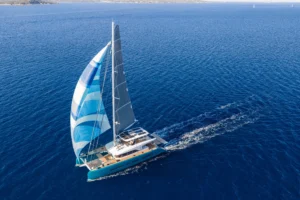
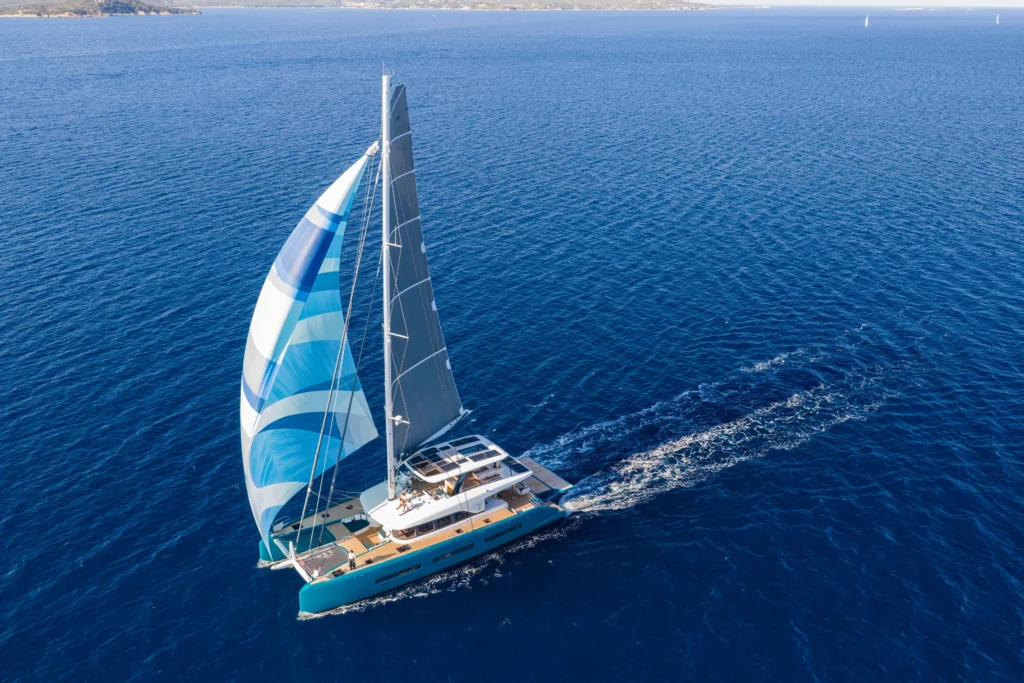
The Naora boat at anchor in the outer Tuamotu atolls is the only boat in the lagoon. The reef that Céline dives in the morning is the reef of the community that has fished it for generations, shared with no other visiting boat. The manta ray that crosses the anchor chain at dawn has not been approached by a zodiac full of passengers in the preceding hour. The encounter is specific to this boat and this moment, unmanaged and unoptimised and therefore real in a way that the managed encounter, however professionally executed, is not.
What Happens When You Leave
The expedition cruise is a destination product: you go somewhere specific, experience it, and leave. The departure is built into the structure. The experience is complete when you board the plane home. What you have is the memory of the managed encounter and the photographs that document it, and the legitimate claim to have been somewhere significant.
What happens when the Naora boat leaves the Galapagos is different: the experience continues. The community continues. The conversation that the Galapagos produced at the Long Table is part of the ongoing conversation of the Circle, connected to the conversations that the Marquesas will produce and the Tuamotu will produce and the Coral Sea will produce. The place visited is not a completed event but a chapter in a continuous narrative that belongs to a specific community across five years of shared experience. The destination product ends at the destination. The Naora voyage continues.