The travel industry has sold the idea that breadth of exposure is the measure of a rich travel life: the number of countries visited, the number of continents covered, the list of iconic destinations checked off against the standard reference. This idea is not malicious. It reflects a real impulse: the desire to know the world, to have been in its remarkable places, to hold the specific knowledge that comes from physical presence rather than photographs and documentaries.
The problem is that physical presence, alone, does not produce the understanding that the impulse is reaching for. Physical presence for six hours in a port city produces the experience of having been there. It does not produce understanding of the place, its people, its relationship with the sea, the specific way that its history has shaped what it is today. That understanding requires time, and time is exactly what the breadth model sacrifices to produce breadth.
The Galapagos Question
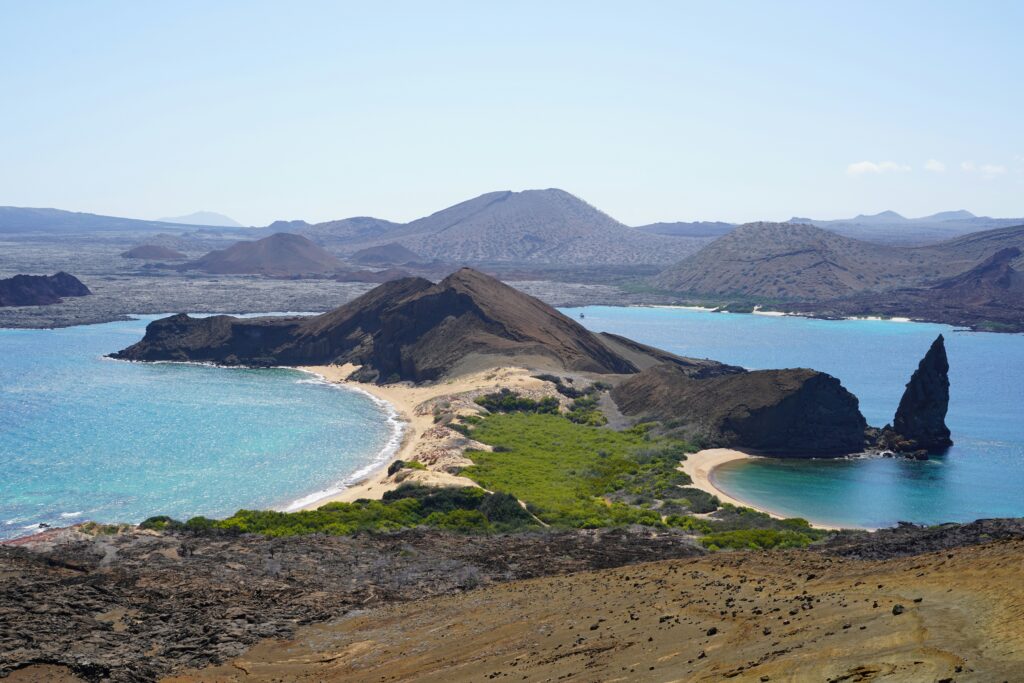
Consider the Galapagos. The Galapagos Islands are one of the most significant natural environments on earth: the laboratory of evolutionary biology, the place where Darwin’s observations produced the theory that changed how human beings understand themselves and their relationship to every other living thing. The Galapagos are also a popular cruise destination, accessible via expedition cruises that spend five to eight days in the archipelago with carefully managed shore visits to specific sites.
The expedition cruise to the Galapagos is an excellent product. The naturalist guides are knowledgeable. The shore visits are carefully planned to show the most significant wildlife in the best conditions. The logistics of moving a group of passengers through a protected marine environment with minimal impact are managed professionally. You will see the giant tortoises. You will see the marine iguanas. You will see the blue-footed boobies and the frigatebirds and the sea lions. You will return having seen the Galapagos in the specific sense that the expedition cruise makes available.
What you will not have is the ranger who boarded the Naora boat at anchor in Academy Bay and stayed for dinner and the Long Table conversation that followed it, in which the specific crisis of the Galapagos, the tension between conservation and the fishing communities whose livelihoods depend on the waters that the marine reserve exists to protect, was laid out by someone who has been living inside that tension for twenty years. That conversation does not happen in the expedition cruise format. It requires the boat that is there long enough to build the relationship with the person who has it, and the table that is set for the kind of conversation that the park ranger does not have with the shore excursion group.
What Understanding Requires
Understanding a place requires three things that the breadth model of travel systematically prevents. It requires time: enough of it to get past the surface and into the specifics that are not on the organised excursion. It requires relationship: actual human connection with people who belong to the place rather than with guides whose job is to manage the visitor experience.
And it requires the specific quality of attention that the offshore sailing life produces, which is the attention of people who have been removed from their usual stimulation for long enough that the present environment is the only available input and therefore receives a quality of observation that the over-stimulated land mind cannot produce.
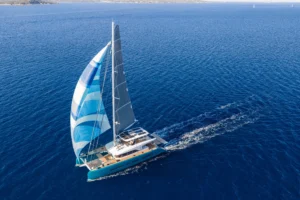
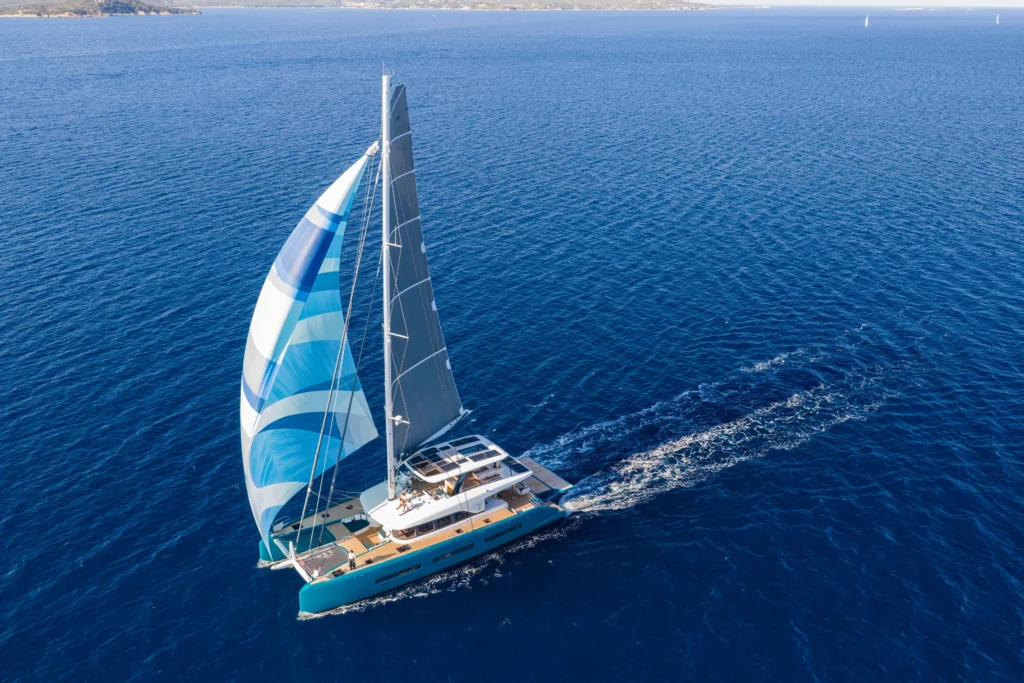
The Naora voyage is designed to produce all three. The pace provides the time. The community structure, including the Long Table and the specific culture of genuine engagement that the Circle is built around, produces the relationship with the places visited. And the offshore passage, which removes the excess stimulation and leaves the person more present to their immediate environment than they have been since childhood, produces the attention. These three things together produce understanding. Separately, none of them is sufficient.