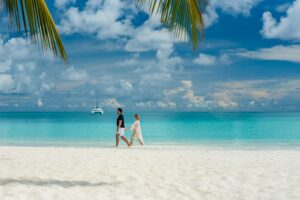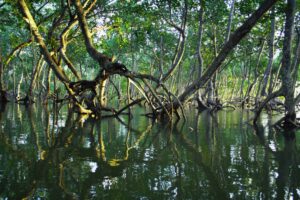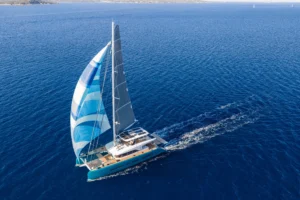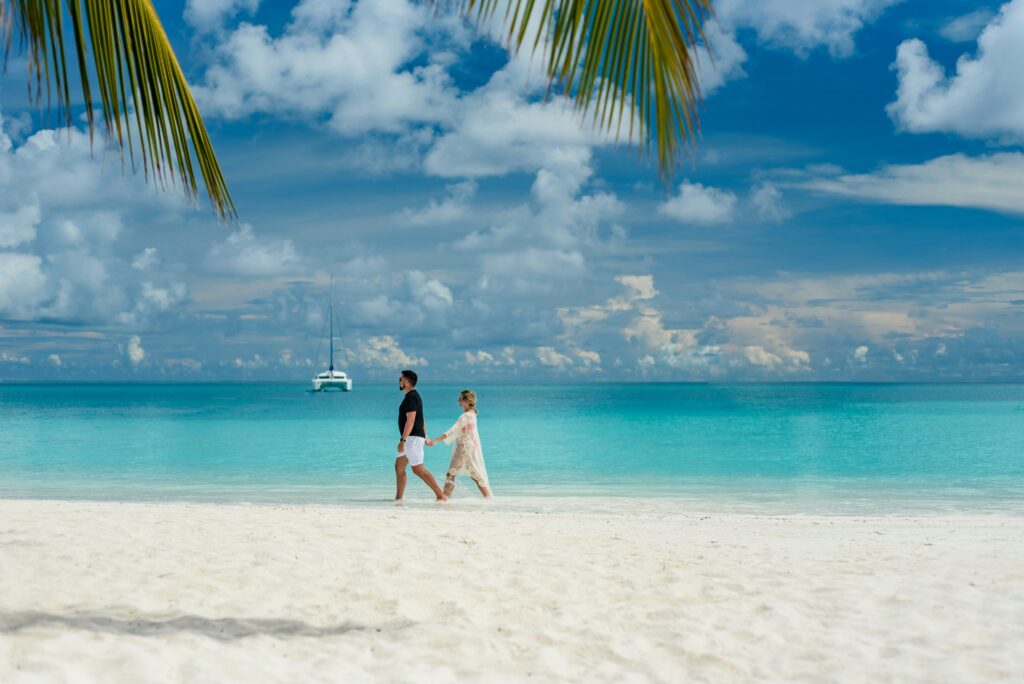
There is a specific experience that travel produces and that tourism does not, and the difference between the two is not about the quality of the traveller or the ambition of the itinerary or the price of the ticket. It is about the relationship between time and place, and whether enough of the first is given to the second to allow the second to become something more than a backdrop for the photographs that prove you were there.
Visiting a place means arriving, registering its main features, and departing with a record of having been there. Being in a place means allowing it enough time to reveal itself beyond the main features, to show you the things that are not on the organised excursion and not in the travel guide and not visible from the port area, and to change slightly in your presence in the way that places change when people stay long enough to participate rather than merely observe.
The First Day and the Third Day
The experience of a place on the first day of arrival is the experience of its surface: the visual impression, the immediate sensory registration, the recognition of the famous features against the images that the mind already holds. This is a real experience. It is also the same experience that everyone who visits the place has, because the surface is the same surface for every visitor and the first-day impression is shaped as much by the prior images as by the actual place.
The experience of the same place on the third day is different in kind rather than degree. By the third day the famous features have been absorbed and are no longer the primary focus of attention. The attention has moved to the things behind the famous features: the path above the bay that the fisherman mentioned on the first morning, the quality of the light at a specific time that the anchorage position reveals in a way that the port view does not, the small restaurant in the village that has no sign and that serves only what was caught that morning because it has no refrigeration and no supply chain and no menu beyond what the sea provided. These things are not available on day one. They are available on day three to the boat that is still there.
What Changes in the Place
A place changes in the presence of people who stay. Not dramatically and not always consciously, but specifically: the local who passed the foreign boat at the dock on the first morning with the casual indifference that tourist traffic produces has, by the third morning, registered that this boat has not left and has started to calibrate its occupants differently. Not as tourists but as people who are still here, which is a categorically different status in every community that has experienced the tourism industry’s version of visiting.
The fisherman who offers to show the good diving to the boat that is anchored beside his for the second consecutive morning is not offering this to the cruise ship passengers who were in the port yesterday. He is offering it to people who are still there, which signals something specific: that they are interested in the place rather than in the record of having been to it, and that the time they are giving to his bay is the kind of time that deserves something in return. This reciprocity, between a place and the people who stay long enough to earn it, is the experience that travel produces and that tourism cannot.
The Naora Pace
The Naora route is designed around the understanding that depth requires time and that time requires pace, and that pace is the element of travel that most people sacrifice first because it is the element that produces the most visible comparison: more places in less time looks like more for the money, and the travel industry has been selling this arithmetic for fifty years with great success.
The arithmetic is wrong. More places in less time is not more of what travel is for. It is more of the surface, accumulated at the expense of everything below it. The Naora pace, two to seven days per location with the route determined by what the place deserves and the conditions allow, is not slower than the alternative because we could not move faster. It is slower because moving faster would produce a different and lesser experience, and the experience is the point.
The question to ask yourself, before choosing between the world cruise and the Naora passage, is not how many places you want to go to. It is what you want to have when you come back. A list of places visited is one answer. A changed relationship with the world, built from the specific intimacy that time in a small boat in real conditions produces, is another. These are not competing values on a spectrum. They are different things entirely, and the choice between them is worth making consciously rather than by default.