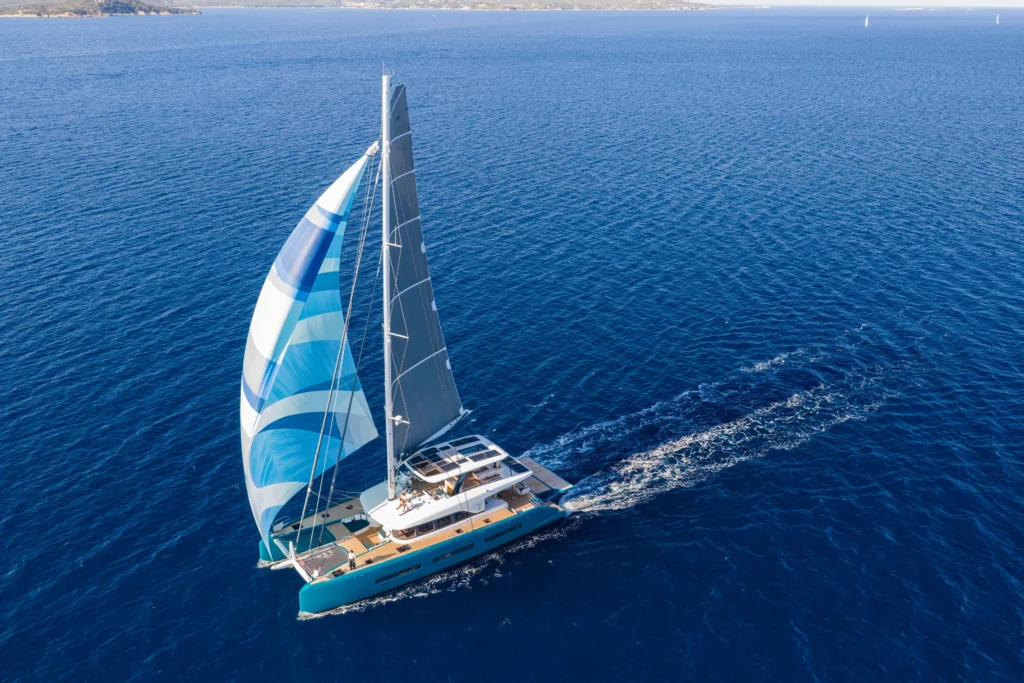
Nobody on the Naora voyage signs up for cooking lessons. The boat has a professional chef and the arrangement is that the chef cooks and the members eat, which is a perfectly complete description of how the food works and which leaves no obvious gap for instruction. And yet, consistently and across many passages and many chefs and many members, the cooking lesson happens. Not declared, not scheduled, not announced. It emerges from the proximity and the interest and the specific quality of a galley on a boat where the chef is visible and accessible in a way that a restaurant kitchen never is.
This article is about the knowledge that passes from the galley to the members without anyone deciding to transfer it.
The Filleting
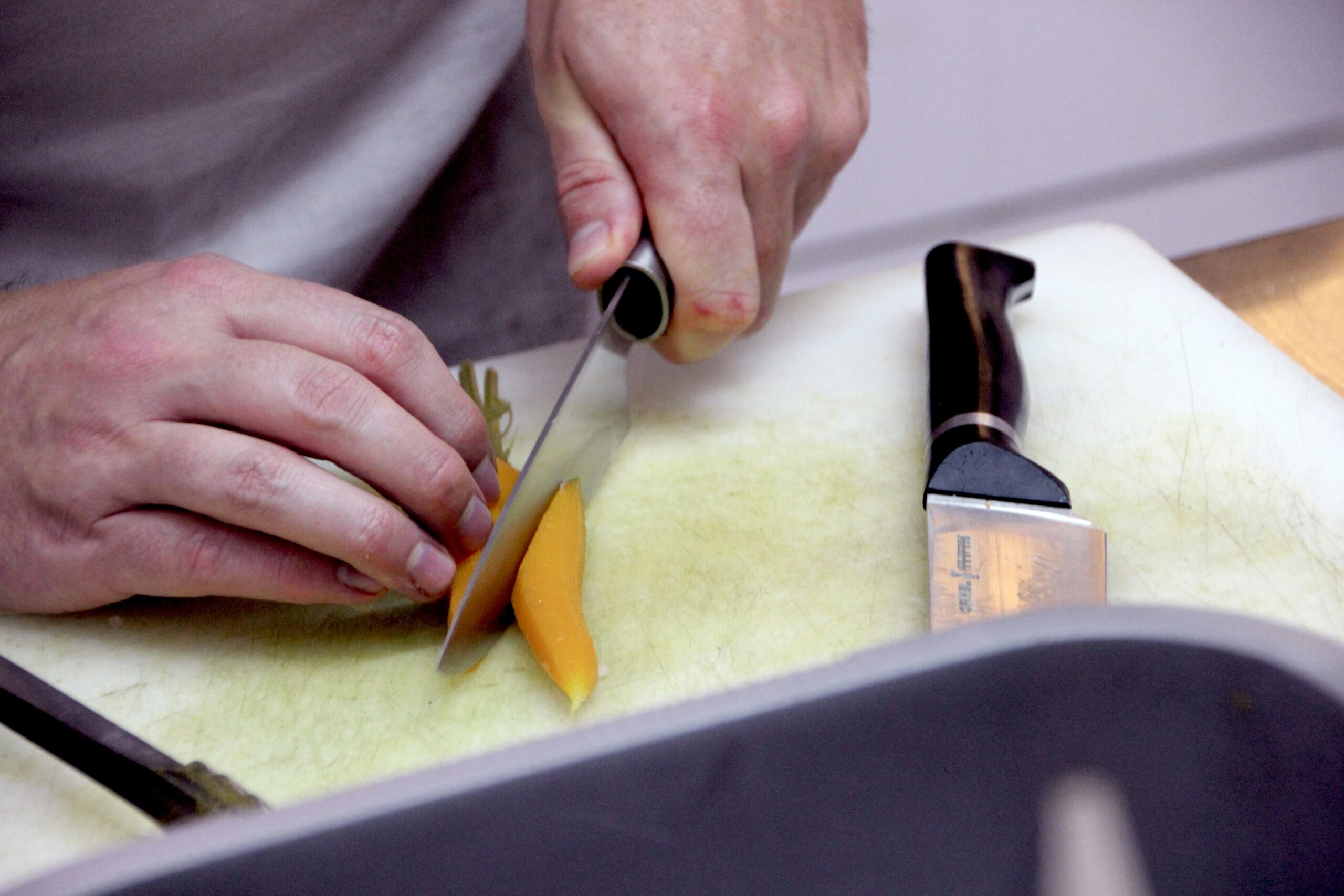
The fish comes over the stern, Sven or Céline lands it on the cutting board on the afterdeck, and within twenty minutes it will be fillets. The knife work that produces those fillets from a whole forty-centimetre mahi-mahi is not complicated once you understand the bone structure, but it is specific, and the specific sequence of cuts that produces two clean loins with minimal waste is the kind of knowledge that looks simple when done correctly and reveals its complexity when attempted without it.
Members who watch the filleting once tend to want to try it the next time. The chef hands over the knife and positions themselves slightly back rather than immediately correcting, which is the teaching posture of someone who knows that the mistakes that happen in the first two minutes of a person’s first filleting attempt are less instructive from correction than from completion: finish the fillet, assess the result, understand what was lost by the cut that went wrong.
The lesson that follows this process takes five minutes and produces a specific competence rather than a general understanding.
The Octopus
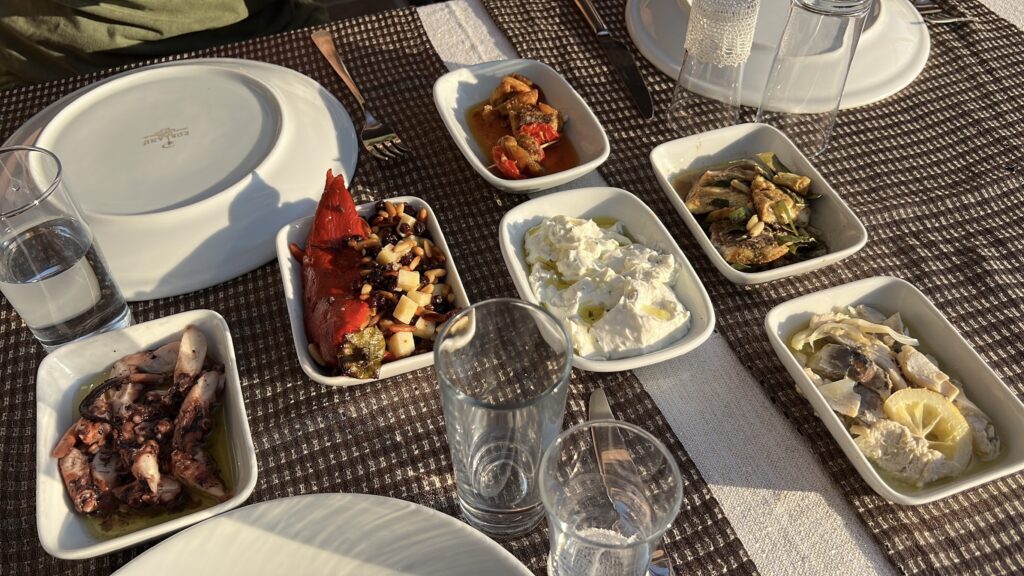
The first time a member watches the octopus being beaten against the dock, the reaction is almost always some version of: what are you doing and why. The answer, which the chef gives while continuing to beat, is that the muscle fibres in octopus require physical breakdown that cooking alone does not achieve, that this is the method developed by the fishermen of the Mediterranean and Aegean over centuries of practice, and that the result of forty blows against concrete is a tenderness that the alternative methods, freezing, marinating, prolonged simmering, do not fully replicate.
This explanation, delivered in the middle of the activity rather than before or after it, is one of the more efficient cooking transmissions available. The member who receives it will never eat octopus in a restaurant again without thinking about whether it was beaten, and if they ever have the opportunity to prepare one themselves they will know what to do.
This is the specific quality of the knowledge passed in the galley on a boat: not theoretical, not academic, but immediate and actionable and attached to a specific sensory memory of watching it happen.
The Galley in a Seaway
Cooking on a moving boat requires a specific adaptation of every technique that a shore kitchen takes for granted. The pot on the stove is held in gimballed pot holders that allow it to stay level as the boat rolls. The cutting board is wedged against the fiddles, the raised edges of the galley counter that prevent things sliding off when the boat heels. The chef has one hand for the food and one hand for themselves, always: the marine safety principle of one hand for the boat applies in the galley as everywhere else.
Members who end up in the galley during a passage, helping with a preparation or watching the chef work, absorb this adaptation by observation: the specific economy of movement that a boat galley demands, the way the chef positions their body to use the boat’s motion rather than fight it, the timing of movements to the rhythm of the swell rather than against it. This is not information that can be conveyed in a cooking class on land. It is knowledge that only exists in the context that produces it.