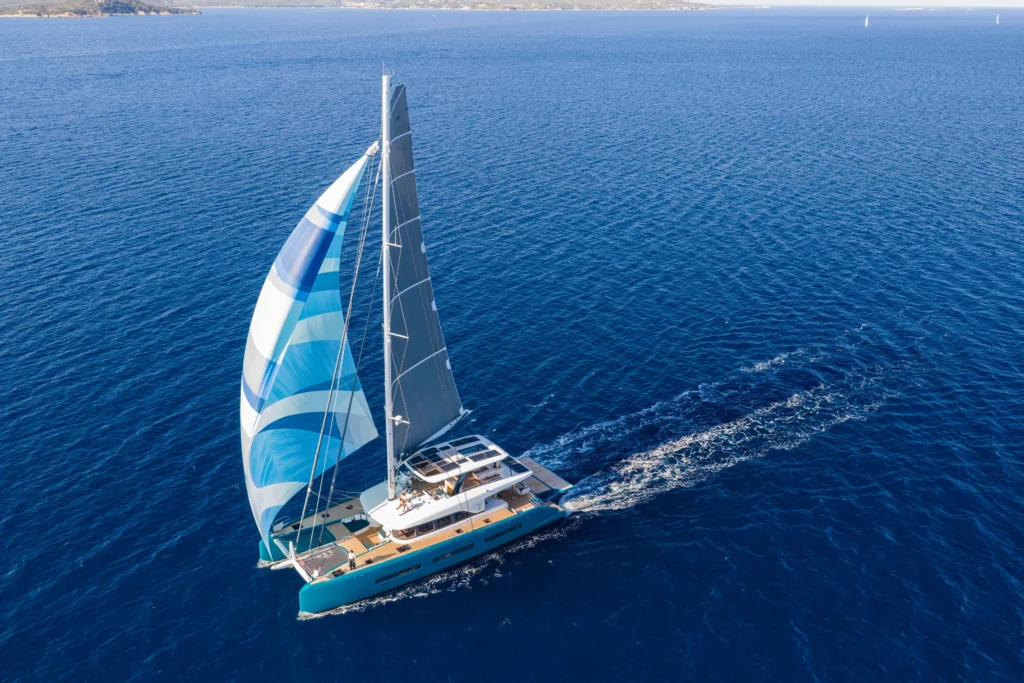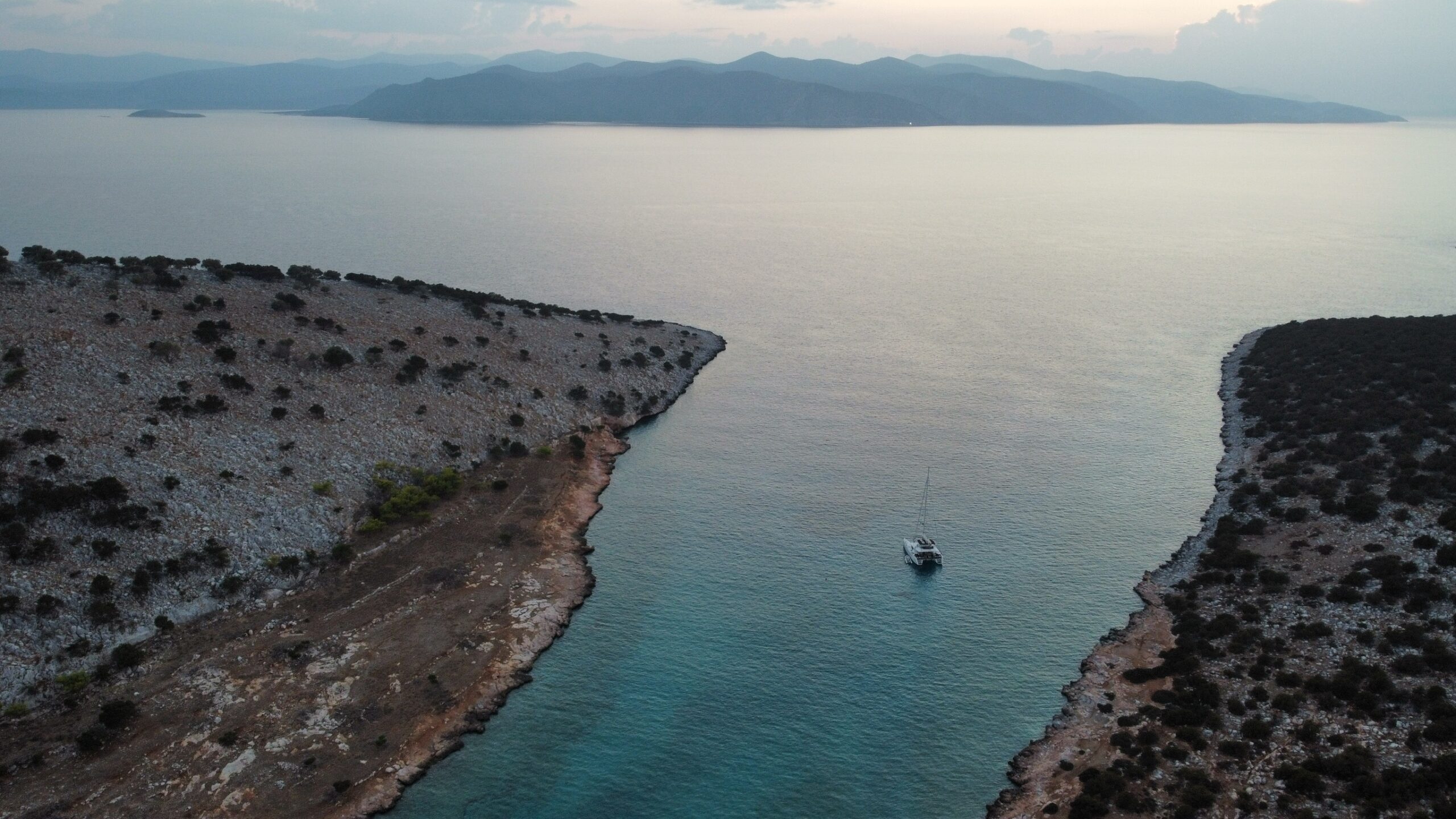
The hour before departure is mine. Not in the sense that others are excluded from the boat or from conversation with me, but in the sense that this hour has a specific function and I am performing it rather than available for whatever else might arise.
Most people who have sailed with me understand this without being told. By the second or third passage, the boat’s culture has made it clear: in the last hour before we leave, Sven is doing something specific and it is better not to interrupt it unless the interruption is itself specific and important.
Here is what I am doing.
The Systems Check
I walk the boat. Bow to stern, specific order, every time. Not the full morning systems check that happens daily: a departure check, which is shorter and more focused. The items that matter in the first hour of the passage: the anchor windlass clear and ready to deploy if needed for an emergency anchor. The engine checks: oil pressure, coolant level, raw water intake clear, fuel level confirmed against the passage requirement.
The bilge: dry or as dry as it was this morning, nothing has changed. The safety equipment: life jackets in their positions, flares accessible, the EPIRB armed and mounted. The rigging: a visual scan of the standing rigging at the chainplates, the furled headsail properly furled, the mainsail cover off and the sail ready to hoist. The hatches: all dogged except the ones that will be left open for the first hour and closed when the sea state requires it.
This takes perhaps fifteen minutes. It is not the same as the morning check because its purpose is different: not to identify developing issues but to confirm that the boat’s condition at the moment of departure is exactly what I expect it to be, with no surprises waiting in the first hour when the attention is already distributed across many things simultaneously.
The Final Weather
The GRIB file has been downloaded within the last two hours. I read it one final time before departure, not because I expect to find something I missed in the earlier readings but because the final read is the one that fixes the passage plan in my mind rather than in the laptop: the sequence of conditions the boat will encounter, the timing of any wind shifts, the position of any frontal systems, the sea state that the forecast predicts for the first twelve hours and the confidence level I have in that prediction based on how the model has been performing in this region over the last few days.
If the final weather read produces a significant change from what was planned, I act on it. This has resulted in delayed departures, altered routes, and on at least two occasions in the last five years, a full abort of a planned passage that was rescheduled for two days later when the window was genuinely better. The members who experienced those aborts were frustrated for about an hour and then grateful when the passage was made in the better conditions.
The weather is not a suggestion. It is the parameter within which everything else operates, and the final read before departure is where I confirm that the parameter has not changed in a way that changes the plan.
The Briefing
Twenty to thirty minutes before departure, the crew and the members who will be on the first watch gather in the cockpit or the salon for the pre-departure briefing. This is a specific, structured communication covering the information that everyone aboard needs before the lines come off.
The passage plan: where we are going, the route, the estimated time, the waypoints. The weather: what is forecast, what I expect the first twelve hours to look like, where the risks are if any. The watch rotation: who is on first, the handover times, what I need the watch crew to pay attention to. The safety items specific to this passage: any particular hazard in the approach or departure, the traffic separation schemes if relevant, the AIS picture at the moment of departure. The threshold for waking me: explicitly stated, always lower than people think is necessary.
The briefing takes ten to fifteen minutes. It is not a conversation; it is a communication. Questions are answered but the format is information transfer rather than discussion: there will be time for discussion after the passage is underway and the first watch has settled. The briefing is about making sure that everyone who needs to know something for the safety of the departure knows it before the departure happens rather than after it.
The Stillness
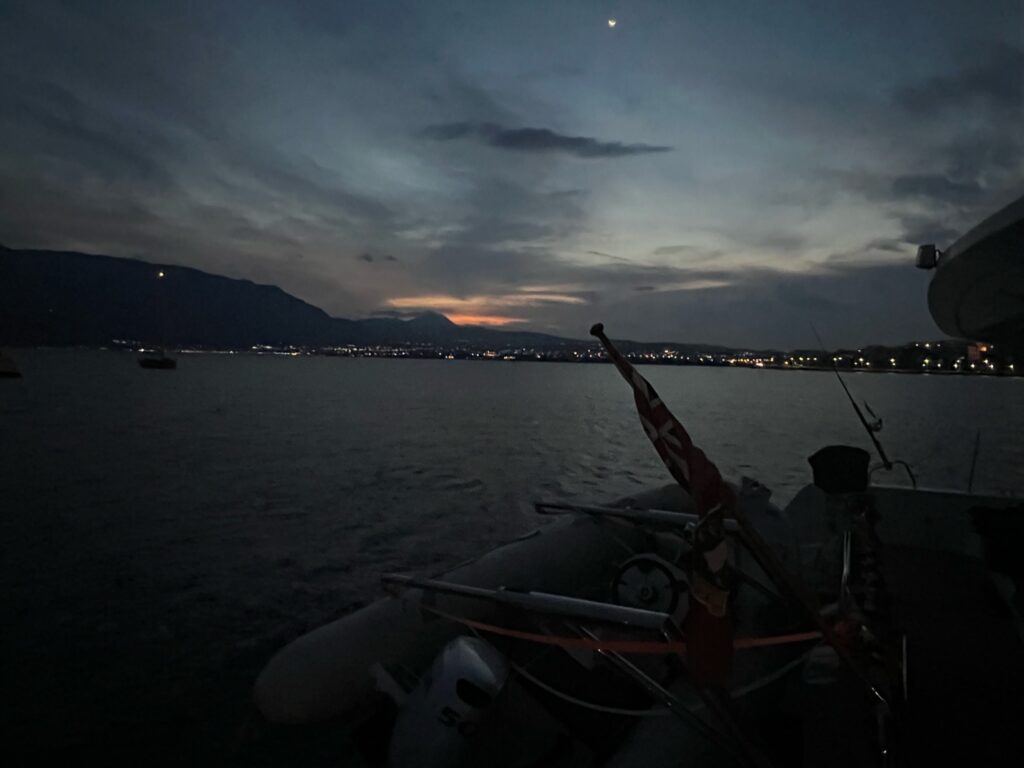
In the few minutes between the end of the briefing and the actual moment of departure, I am still. Not visibly still in the way of someone who has decided to be still: just present on the boat without a specific task, which is unusual enough to be noticeable to people who have been watching me in the preceding hour of purposeful activity. Céline has written about this from her perspective. From mine, it is the moment of making peace with what the passage is about to ask.
Not fear. The preparation has been done and the preparation has removed the fear in the only way it can be removed: by making the possible situations manageable through knowledge and equipment and the accumulated experience of having managed similar situations before. What the stillness is about is presence: the specific quality of attention that a captain brings to the moment when the boat stops being at rest and starts being in motion, and that everything that follows in the passage depends on.
The lines come off. The engine goes astern. The boat moves. The passage has started. Everything that was still possible before that moment is now actual. The stillness is the last moment before the actual begins.