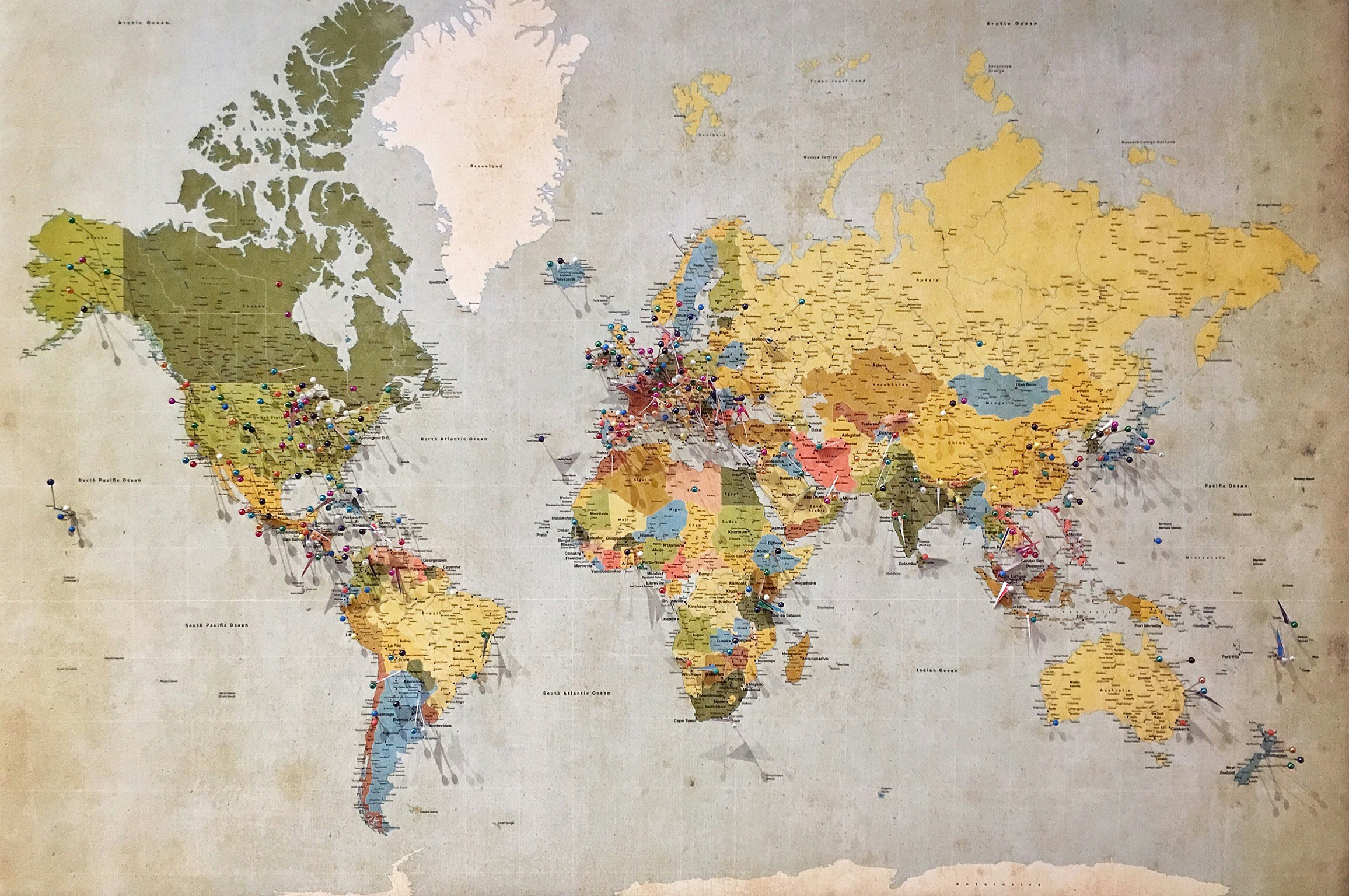
The Naora circumnavigation covers 45,000 nautical miles across five years and four oceans, divided into 166 individual legs. Each leg is approximately one week. Each one is a different place, a different pace, a different character. Some of them are passage weeks on open ocean. Some are relaxed anchorage weeks in the Mediterranean or the Pacific islands. Some are refit weeks in major ports where the boat is serviced and the crew takes time off.
The leg planner exists because 166 options require a way to navigate them. It is a tool built specifically to help you find the legs that match what you are looking for, filter out what does not suit your timing or your interests, save the ones that appeal, and arrive at a shortlist that makes the conversation with us specific rather than general.
The Basics: What You Are Looking At
When you open the leg planner, you see the full circumnavigation laid out chronologically from May 2027 to January 2032. Each row is one leg. The legs are organised by year and by season: the Mediterranean chapters, the Atlantic crossing, the Caribbean, Panama, French Polynesia, the Pacific, Asia, the Indian Ocean, Africa, and the Red Sea return. The year tabs at the top, 2027 through 2031, let you jump directly to the part of the route you are interested in rather than scrolling from the beginning each time.
Each leg shows you four things immediately: the week number, the departure and arrival dates, the leg name and region, and the pace classification. The pace classification is colour-coded in the legend at the top of the planner:
- Loop (blue): a relaxed circuit within a region, typically the Mediterranean or the Pacific islands. Multiple anchorages over the week with no fixed destination pressure
- Passage (green): an offshore crossing from one region to another. The Atlantic, the Pacific, the Indian Ocean crossings. Open water, watch rotation, the full offshore experience
- Refit (red): a maintenance and crew holiday week. The boat may be out of the water.
- Transit (white): a directed move between two points, typically through a canal or along a coast, with a specific destination rather than a cruising circuit
The Search: Finding What You Are Looking For
The search field is the most powerful tool in the planner. It searches across everything associated with each leg: the leg name, the region, the specific anchorages and ports included in the week, the local food and culture, the wildlife, the wind conditions, and the activities available. The search is not limited to obvious terms. It reaches into the detail of each leg.
Some searches that work well:
By destination: Type Marquesas and all legs that include the Marquesas Islands filter to the top. Type Komodo and the Indonesian legs with Komodo National Park appear. Type Oman or Sri Lanka or Maldives and the relevant Indian Ocean legs surface immediately. You do not need to know which season or which year: the search finds them.
By activity: Type diving and all legs with significant diving opportunities are shown. Type spearfishing for the legs where this is specifically available. Type surfing for the legs in the surf regions of Indonesia and the Pacific. Type family for the legs specifically suited to members travelling with children. (private yacht)
By wildlife: Type whale shark or manta or dolphins or turtles and the legs where these species are specifically present filter in. The wildlife data in the planner is specific to each leg rather than generic: the leg that includes the manta cleaning stations at Komodo is tagged differently to a leg that passes through waters where mantas are possible but not specifically notable.
By food: Type sushi or lobster or provisioning and the legs where these are specifically relevant appear. The provisioning tag marks the legs in major port cities where the chef does the significant market shopping for the next chapter of the route.
By wind: Type Meltemi for the Aegean legs in the high-wind season. Type trade wind for the Atlantic and Pacific crossing legs. Type monsoon for the Indian Ocean legs timed around the northeast monsoon window.
The Anchorages: Understanding the Places Within Each Leg
The anchorages are not intended as a rigid day-by-day itinerary. They are reference points that describe the character and geography of the leg rather than a fixed operational schedule. Weather, sea state, local conditions and operational decisions may alter the exact sequence or timing during the week, but the listed locations represent the core areas the leg is designed around.
Every leg contains a collection of anchorages, bays, harbours and ports associated with that particular week. These locations appear directly inside the leg overview and are also reflected visually on the map preview beside each leg.
Some legs are built around remote natural anchorages with very little infrastructure: protected bays in the Pacific islands, fjord systems in Turkey, outer atolls in French Polynesia or quiet Caribbean coves where the boat remains at anchor for extended periods. These legs tend to feel slower, quieter and more immersed in nature.
Other legs include marina stops or major ports where provisioning, maintenance or crew logistics are part of the week. A leg that includes places like Panama City, Phuket, Cape Town or Gibraltar carries a very different operational rhythm from a leg entirely focused on remote island anchorages.
The anchorage map on the right side of each leg gives a quick visual understanding of the sailing geography for that week. Tight clusters of anchorages usually indicate a relaxed exploration loop within a concentrated region. Longer geographic spreads often indicate more sailing distance, more open water or a directional passage between regions.
The specific anchorages themselves are selected from years of sailing experience, local knowledge, weather patterns and seasonal suitability. In many cases they are not simply the “known highlights” of a region, but places chosen because they work exceptionally well from the water: protected overnight anchorages, fjords with reliable shelter, islands with excellent holding, reef systems accessible directly from the boat, or harbours positioned naturally within the rhythm of the passage.
The anchorage names also make the search function significantly more powerful. Searching a specific bay, island, reef, marina or harbour immediately surfaces the legs where that location appears. This allows members to discover sections of the route through very specific interests rather than broad regional browsing alone.
The Favourites: Building Your Shortlist
Every leg in the planner has a small heart icon. Clicking it saves the leg to your favourites. The favourites counter at the top of the planner tracks how many legs you have saved, and you can filter the entire planner to show only your favourited legs at any time.
The favourites function is the most practical tool the planner offers for the decision-making process. The typical pattern we see from prospective members who use the planner well: they browse the full route once, clicking the heart on anything that catches their attention without yet worrying about timing or practicality. Then they filter to favourites only and look at what they have collected.
Usually it is between eight and fifteen legs, spread across different years and different regions. That collection tells them something about what they are actually drawn to: the offshore passages, or the Mediterranean anchorage weeks, or the Pacific island chapters, or a specific combination that would not have been obvious before the browsing.
The shortlist of favourites is also the concrete starting point for the conversation with us. When you reach out after using the planner, bringing your favourited legs makes the conversation specific immediately: we can tell you which of those legs are available, what the joining logistics look like for each, and whether the combination you are considering makes sense as a sequence or whether an adjustment would serve you better.
The Activity Icons: Reading Each Leg at a Glance
Each leg displays a row of activity icons that summarise the character of the week without requiring you to open the detail. The icons cover the activities specifically available on that leg:
| Icon | What it means |
|---|---|
| 🤿 Diving | Significant scuba diving opportunities on this leg |
| 🤿 Snorkeling | Excellent snorkelling accessible without scuba equipment |
| 🔱 Spearfishing | Spearfishing conditions and appropriate reef or open water |
| 🏄 Surfing | Surf available on this leg, typically Pacific or Indonesian legs |
| 🪁 Kitesurfing | Wind and water conditions suitable for kitesurfing |
| 🛒 Provisioning | Major port with significant market and provisioning activity |
| 👨👩👧 Family | Leg specifically suitable for members travelling with children (private yacht) |
| ☀️ / ⛅ / 🌦️ Climate | Expected weather character for the leg: sunny, variable, or mixed |
The climate icon is worth paying specific attention to because it reflects the actual expected conditions for that week in that season rather than a general regional description. A Mediterranean leg in May and a Mediterranean leg in October in the same region will have different climate icons because the seasons are genuinely different in character. The planner reflects this rather than smoothing it into a single regional description.
How to Think About the Choice
The leg planner answers the what and the when. The question of which leg is right for you requires knowing something about what you are looking for from the voyage, which is a question the planner can help you discover rather than one you need to have answered before you open it.
Some orientations that help narrow the choice:
If you want the offshore sailing experience at its most transformative: look for Passage legs. The Atlantic crossing in late 2027, the Galapagos to Marquesas in mid-2028, the Indian Ocean crossing in early 2031. These are the weeks that produce the specific quality of offshore experience that the Naora voyage is designed around. Search for passage in the planner to filter to these legs only.
If you want extraordinary destinations at a pace that allows you to understand them: look for Loop legs in the Mediterranean or the Pacific island chapters. The Turkish coast in May, the Greek islands in June, the Marquesas in July, the Tuamotu atolls in August. Relaxed weeks where the boat stays long enough in each place for the place to reveal itself. Search for the specific region you are drawn to.
If diving is the primary motivation: search diving and look at the legs that come up. The Red Sea legs near the Brothers Islands and Elphinstone, the Komodo legs in Indonesia, the Tuamotu outer wall legs in French Polynesia, the Maldives legs in the Indian Ocean. All of these are specifically tagged for diving quality rather than just regional availability.
If timing is the primary constraint: click the year tab for the year you have available. Browse what exists in that year and use the search to filter within it. The planner will show you what the route is doing in your window rather than requiring you to scroll through the full five years to find it.
If you want to join a refit week: filter to Refit legs. These are the weeks where the boat is in a major port, sometimes out of the water, the crew is on holiday or rotating, and members who help with the maintenance work are not charged for those days. The refit ports include Barbados, Panama, Tahiti, Whangarei in New Zealand, Phuket, Cape Town, Gibraltar, and Sharm el Sheikh.
From the Planner to the Conversation
The leg planner is a starting point, not a booking system. You cannot book a leg directly from the planner, and we would not want you to: the conversation that happens between the shortlist and the booking is where we help you understand whether the legs you have chosen are the right ones for what you are looking for, what the joining logistics look like in practice, and whether the timing and the sequence make sense.
The most productive conversations we have with prospective members are the ones that start with a specific shortlist. Not a general interest in the voyage, which is where the website and the articles and the planner are designed to take you, but a specific set of legs with a specific reason for each: this one because of the diving, this one because of the timing, this one because the passage experience is what you have been looking for, this one because you want to see the Marquesas.
Use the planner to build that shortlist. Spend time with it: the search function rewards curiosity and the favourites function rewards decisiveness. By the time you reach out to us, the conversation has already started. The planner did the first part of it.