Nobody writes about the smell of the sea. Not specifically, not accurately. The word that most people reach for is salty, which is approximately correct and completely insufficient. The sea smells different depending on where it is, what is in it, what the wind is doing, what time of day it is, and how far you are from land. These are not subtle variations. T
hey are categorical differences, and once you have spent enough time at sea to register them properly, you can smell the sea the way a sommelier smells wine: not just that it is wine, but what kind, from where, in what condition.
I want to describe what I actually smell, in the specific places where it is most specific, because I think it is one of the most honest descriptions of what the sea is like from inside it, and because it is the thing that comes back most immediately and most completely when I am away from the water and trying to remember it.
The Open Ocean
The open ocean, at least a week from any land, smells clean in a way that has no equivalent on land. Not clean like a clean room or a fresh-laundered sheet, which carry the smell of whatever made them clean. Clean as in the absence of everything that land produces: the organic decomposition, the vegetation, the soil, the human activity, the exhaust, the complex organic chemistry of everything that grows and decays and is processed by a densely inhabited land surface. None of that is here.
The air is just air, moved by the wind across thousands of miles of open water, carrying only what the water itself produces, which at this distance from land is primarily the faint iodine quality of marine algae and the nothing else of a very clean atmosphere.
This smell is not dramatic. You notice it most strongly in contrast: when you leave a port and sail for two days and suddenly register that the air has changed to something that is not the town anymore. Or when you have been at sea for three weeks and the smell of land arrives, twenty miles out, as a specific and almost shocking richness: vegetation, soil, biological activity, the smell of somewhere that has things growing in it and things decaying and things living densely in a small space.
The open ocean is clean because it is empty. The land is rich because it is not.
The Mediterranean in May
The Mediterranean in May has a smell that I associate with the beginning of everything: the start of the season, the first warm days, the specific combination of salt air and pine resin and wild thyme that the hillsides above the Turkish and Greek bays produce when the spring is warm enough to release the volatiles from the herbs and the trees but the heat has not yet burned everything dry and changed the character of the smell entirely.
Anchored in the Gokova Gulf in May, with the pine forest above and the breeze coming off the hillside, the air has a specific quality that I have never found anywhere else: maritime and herbal simultaneously, the salt of the sea and the resin of the pines and the oregano and thyme from the paths above the anchorage all present at once and in the right proportions.
This is the smell that arrives before you can see the anchorage when you are approaching from offshore: the land communicating its specific character through the air an hour before the GPS announces arrival. I know the Gokova Gulf by its smell before I know it by its shape.
The Tuamotu Lagoon
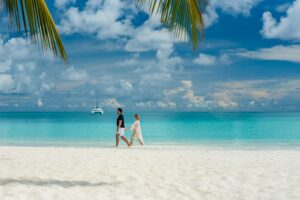
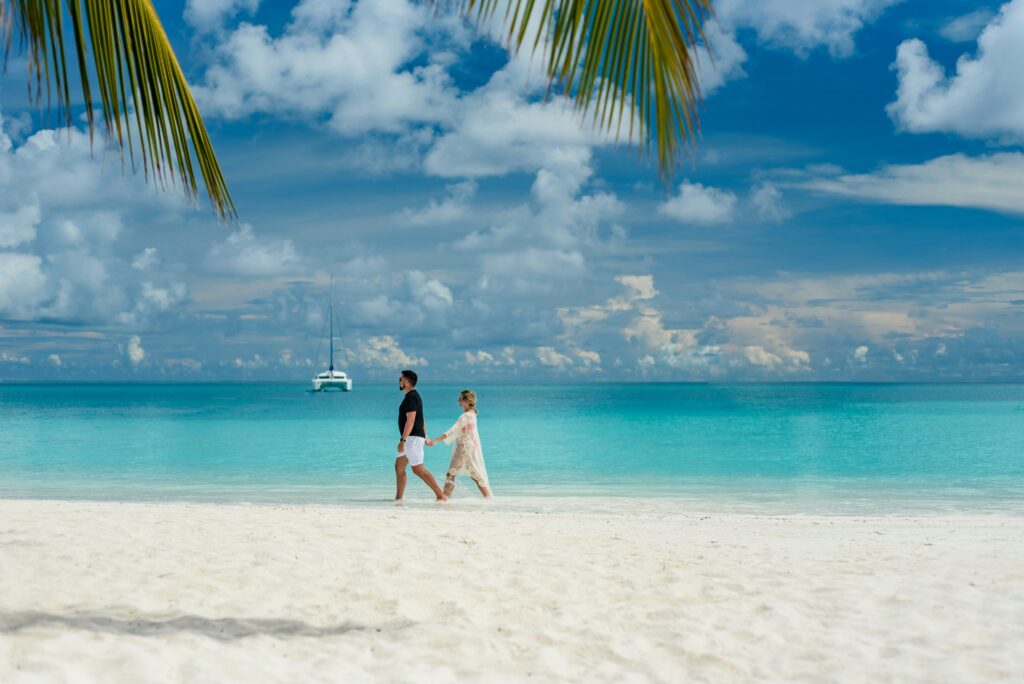
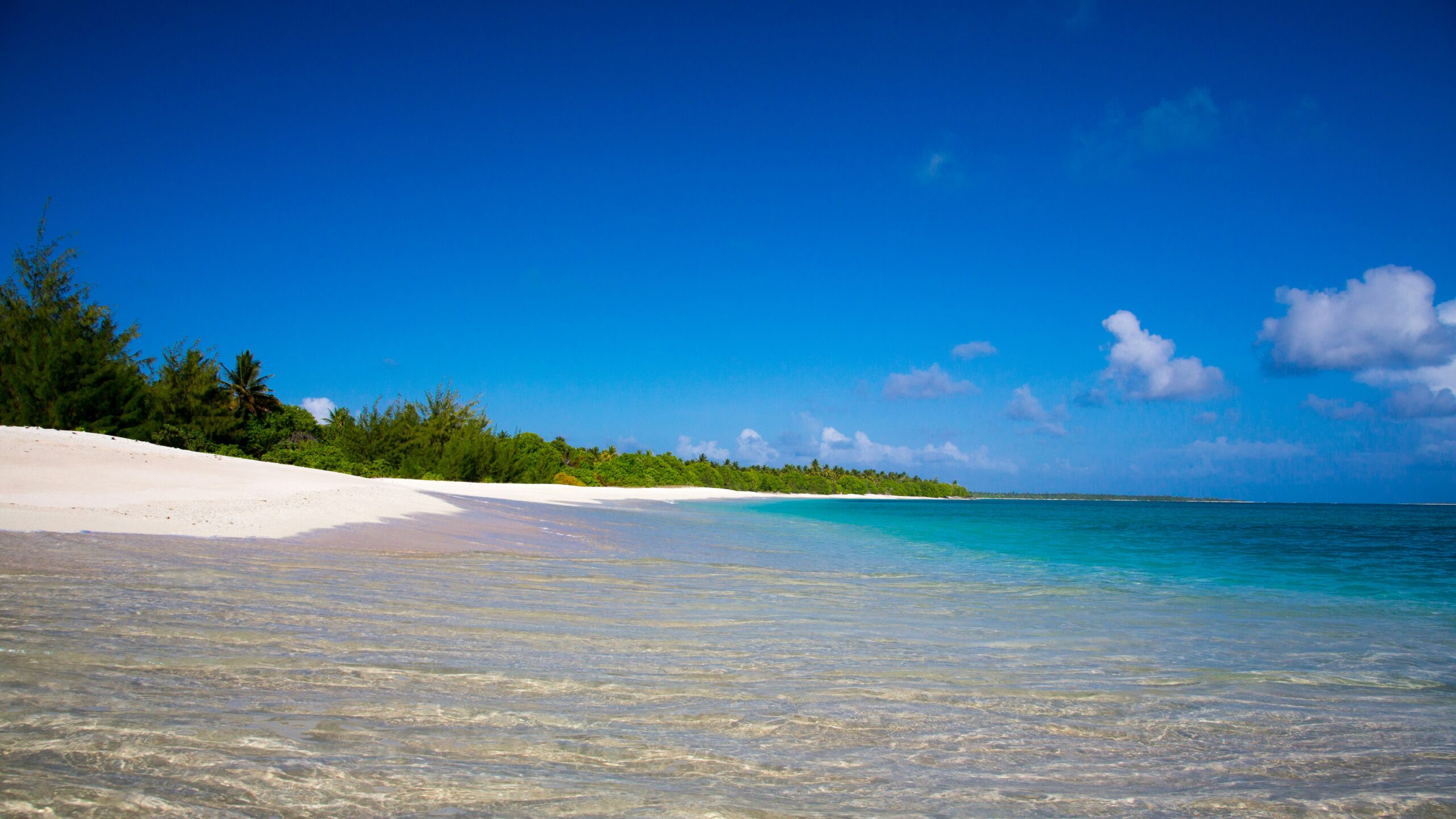
The inside of a Tuamotu lagoon smells of coral and warm shallow water and the specific organic richness of an enclosed marine ecosystem that has been building its complexity for thousands of years. The outside of the atoll, the ocean side, smells of open Pacific: clean and vast and carrying the specific quality of water that has crossed thousands of miles without interruption.
The pass between them, the narrow channel where the ocean water moves in and out with the tide, smells of both simultaneously and of the biological activity that the meeting of the two water masses produces: a complexity that is specific to this exact location and that I have smelled nowhere else.
At night in a Tuamotu lagoon, when the air has cooled and the biological activity in the water has shifted to its nocturnal patterns, the smell changes to something heavier and more specific: the productive organic warmth of a healthy shallow reef system doing its night work. This is not a pleasant smell in the way that flowers are pleasant. It is a rich smell, a full smell, the smell of a place that is extremely alive in very specific ways and that communicates this through the air to anyone paying attention.
After Rain
The smell of the sea after a squall is one of the finest smells available in any context. The rain has washed the air of whatever it was carrying. The sea surface has been disturbed and is releasing compounds from deeper water.
The specific petrichor of rain on a warm ocean surface is different from rain on land: more mineral, less organic, with a quality of freshness that the land version carries but that the sea version intensifies because there is no soil smell competing with it, only the clean mineral release of warm seawater meeting cooler rainwater at the surface.
And then the clearing, which is the best part: the squall line past, the sky washed, the horizon visible again and sharper than before because the atmosphere has been cleaned of whatever was softening it. The air in the hour after a squall in the tropics is as clean as it gets anywhere on earth. It smells of the sea at its most itself: nothing added, nothing diminished, just the ocean in its own atmosphere after the rain has restored it to baseline.