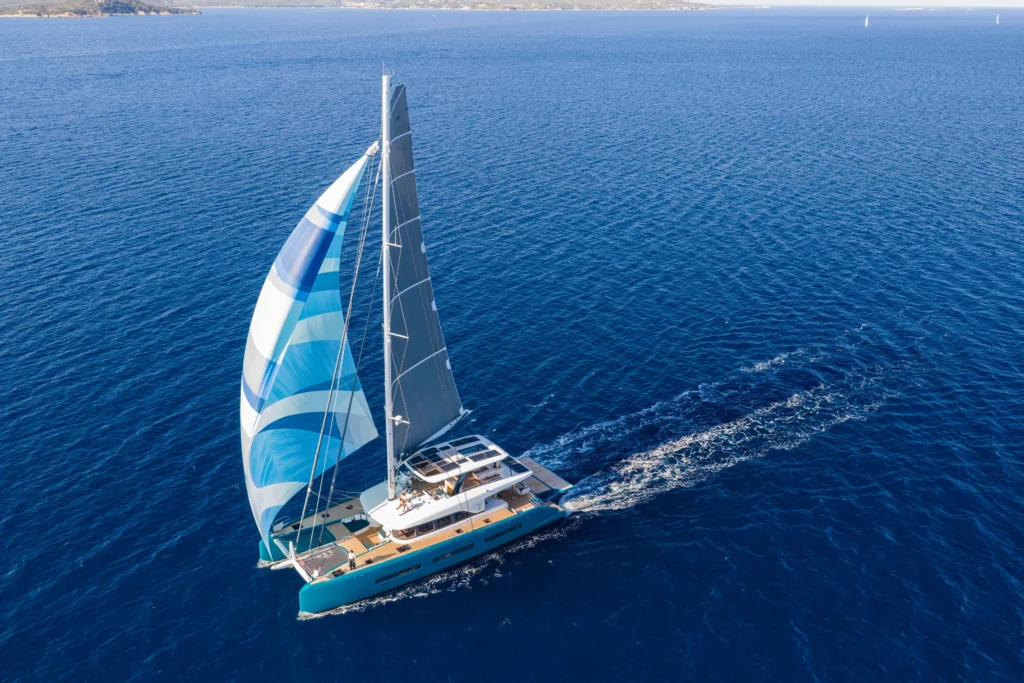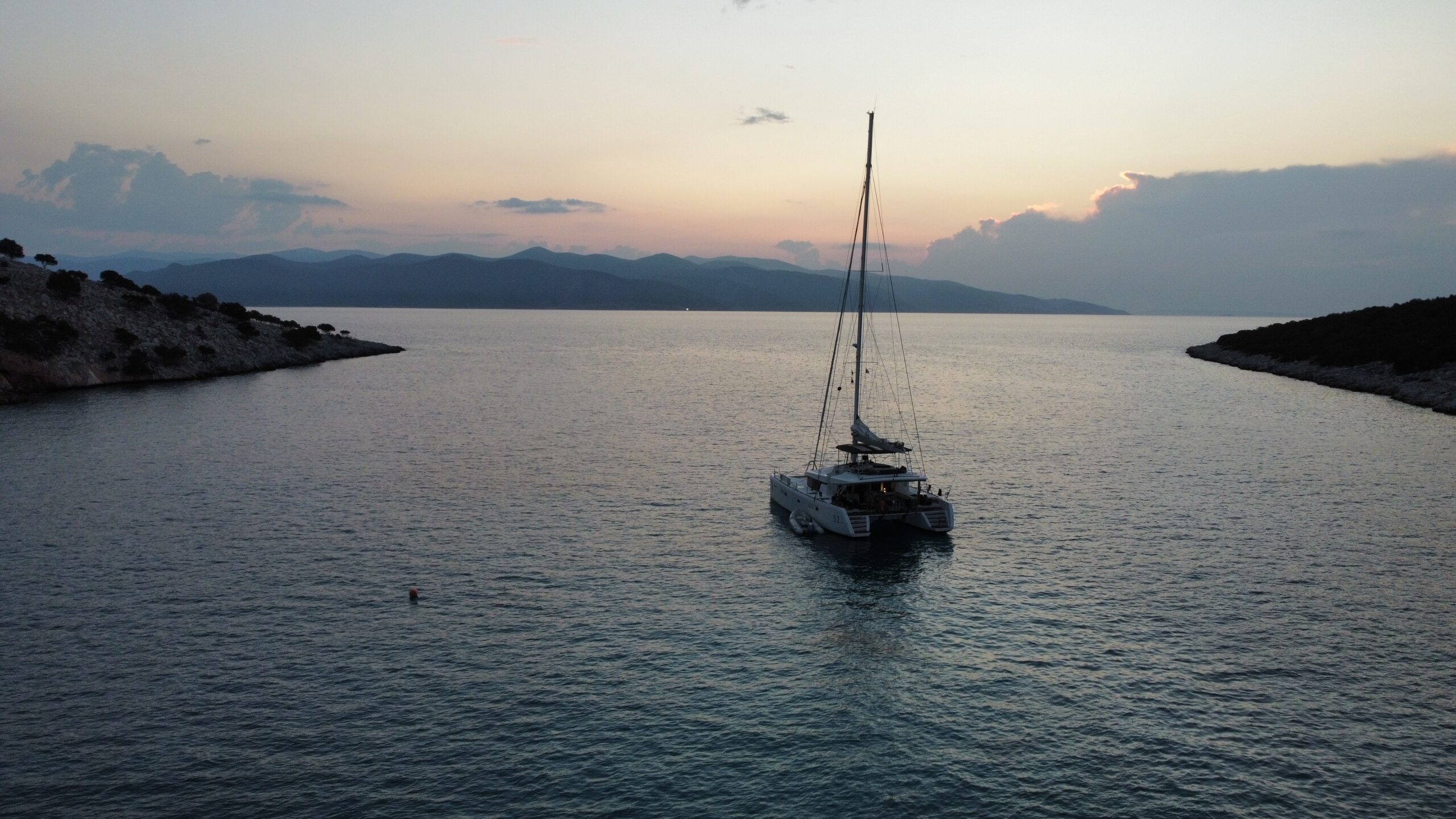
My mother is calm in the way that deep water is calm: completely, from the surface all the way down, without effort or performance. She does not become anxious when the wind builds or when the forecast changes or when the passage plan needs to be revised in the night.
My father is adventurous in the way that the sea is adventurous: always moving toward the next thing, always finding the next question, always discovering that the answer to the question is another bay or another wreck or another passage to somewhere he has not been before. He does not rest easily.
Together, they are the sea: the calm surface and the movement underneath. I grew up between them, which is to say I grew up learning that both qualities are not opposites but complements, that the adventure needs the calm to survive it and the calm needs the adventure to give it meaning. I learned this most specifically on the wreck dives.
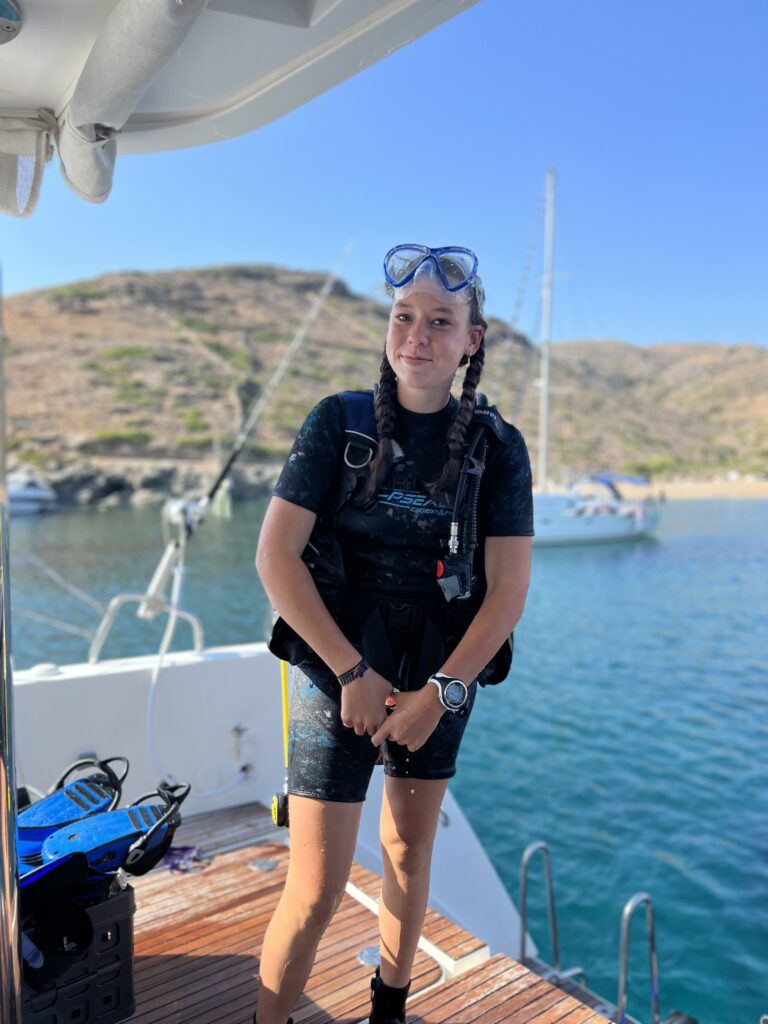
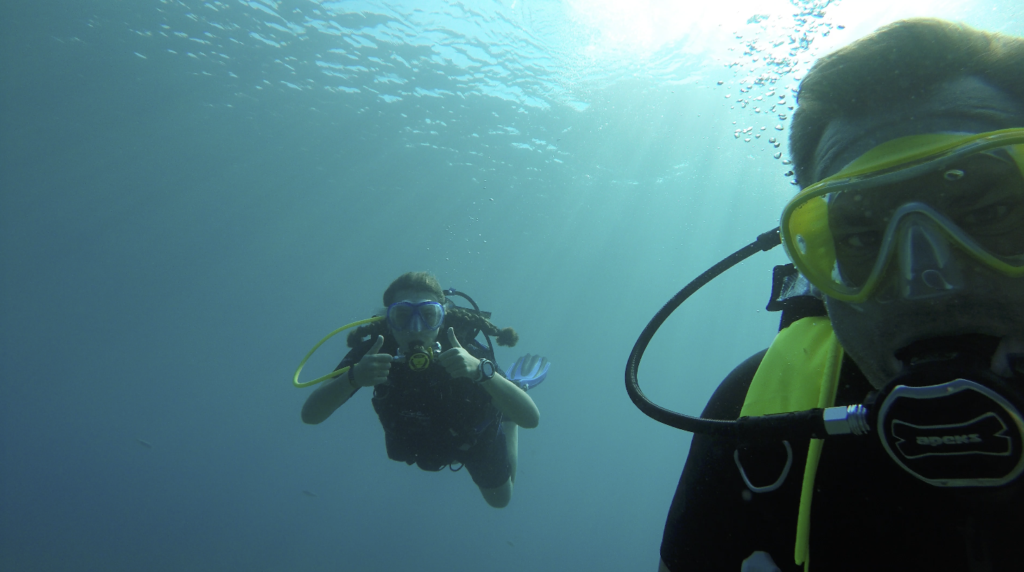
My father found the wrecks and planned the approach and briefed the dives. My mother made the process safe, warm, and something you could do and then come back from and eat dinner and be well. Between the two of them, I dove wrecks as a child in the Mediterranean and came home every time, and the coming home was as important as the going out.
The Dinghy to the Wreck
The wreck dives of my childhood did not begin with a briefing in a dive centre and a transfer to a site on a fast rigid inflatable with twelve other people. They began with the dinghy. The small outboard attached to the inflatable tender, the dive bags stowed in the bow, my father checking the chart against the GPS and the GPS against the pilot book and the pilot book against whatever additional information he had gathered from the harbour master or the other boats in the anchorage or the sailor he had spoken to on the radio the previous evening who had been to this wreck before.
The dinghy ride to the wreck was part of the experience. Often short, fifteen or twenty minutes across a bay or around a headland, but sufficient to produce the specific quality of anticipation that only activates when you are actually going toward something rather than imagining it. The water changing colour as the depth changed. The buoy or the GPS waypoint that marked the approximate position of what lay below. The checking and rechecking of equipment that my father did as a habit, not from anxiety, but from the understanding that a habit of checking is the thing that prevents the anxiety from ever needing to materialise.
We anchored the dinghy above the wreck or tied to the buoy if one was there. My father went in first, always. The first descent to check conditions, visibility, current, and anything that would affect whether the dive proceeded as planned or was modified on the basis of what the water actually contained. He surfaced after two or three minutes and gave his report, which was always specific and always calm regardless of what he had found, and then the dive began.
The Briefing
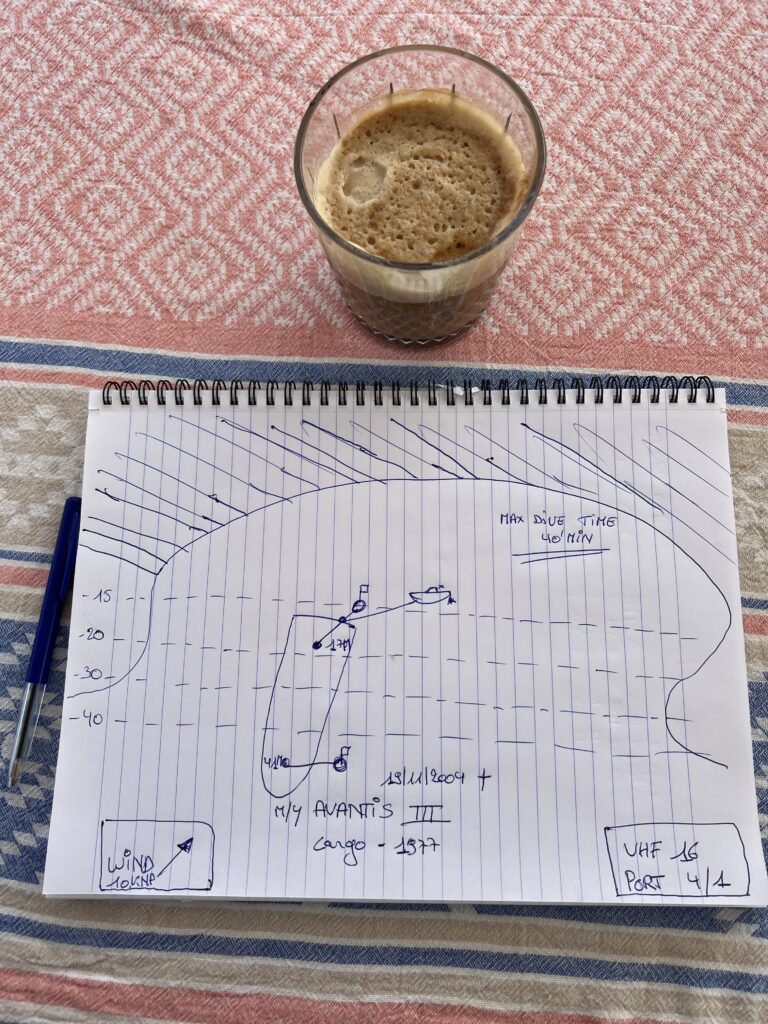
My father’s dive briefings are the most specific and most useful communication I have ever received from another person. This is not sentiment: I have been in many briefings in many contexts and none of them have achieved the combination of completeness and economy that his wreck briefings produce. They are short. They contain exactly the information required. Nothing is omitted and nothing is included that is not relevant to the specific dive on the specific day in the specific conditions.
The briefing covers five things in order: the structure of the wreck and the orientation below, so that the diver knows where the bow is and where the stern is and which direction is shallower and which is deeper before they descend.
The planned route, from entry point through the wreck and back to the ascent point. The depth profile, maximum depth and the time at that depth and the ascent rate and the safety stop position. The signals: what each hand signal means, what to do if something goes wrong, how we communicate the turn-around. And the abort criteria: the conditions under which the dive is immediately terminated and we ascend, which are non-negotiable and stated clearly before every dive.
As a child I received these briefings and they made me feel safe in a way that I later understood was the correct response to a well-constructed safety system. The briefing is not reassurance. It is preparation. The feeling of safety that it produces is not an illusion. It is the appropriate response to the knowledge that someone has thought carefully about what could go wrong and has communicated specifically how each of those things will be managed.
My father briefed me this way from the first dive I was old enough to complete, and the habit of careful preparation before entering the water is one that I carry completely and that I would not dive without.
The Descent
The first moments of a wreck descent are specific in their sensory quality and I notice them still, after many dives, in a way that I no longer notice the entry or the surface or most of the other moments of a dive. The water accepting the body. The light changing as the depth increases, the blue sharpening and then softening as the surface recedes.
And then: the wreck. Not all at once, because visibility and depth rarely allow that. A shape first, dark against the blue. Then a structure. Then the specific object: a hull, a propeller, a mast, a cargo hold, a hull plating section with the specific corrosion pattern of metal that has been in the Mediterranean for forty years.
The first time I saw a large wreck from depth as a child, I stopped swimming. Not from fear, from the magnitude of what was there. The thing that had been a dot on a chart and a description in a pilot book and a GPS waypoint in the water above me was suddenly, completely, three-dimensionally real. It was enormous. It was silent.
It was covered in the life that had colonised it since the sinking: soft corals on every horizontal surface, fish moving through the windows of the bridge as though the windows had always been there for exactly that purpose, octopuses in the dark corners of the cargo hold that my father’s torch illuminated briefly before the animals retreated further into the shadow. The wreck had become its own reef. The ship was gone. What was in its place was something else entirely, specific to that depth and that water and that forty years of undisturbed marine succession.
My father was behind me during this first proper wreck encounter, close enough that I could see his torch beam and the stream of his bubbles.
Back Aboard and the Fire
The return from a wreck dive has its own quality. The ascent, the safety stop, the surface, the dinghy, the removal of equipment: all of these are transitions, each one bringing the diver progressively back from the specific world of the wreck to the specific world of the bay and the boat and the afternoon.
The post-dive debrief happened in the dinghy on the way back to the boat. What we had seen. What had surprised us. What my father wanted to do differently if we went back. He always went back, if the conditions allowed and the schedule permitted. A wreck visited twice is understood twice as well as a wreck visited once, and a wreck understood well is a different experience to a wreck merely seen. He taught me this and I believe it.
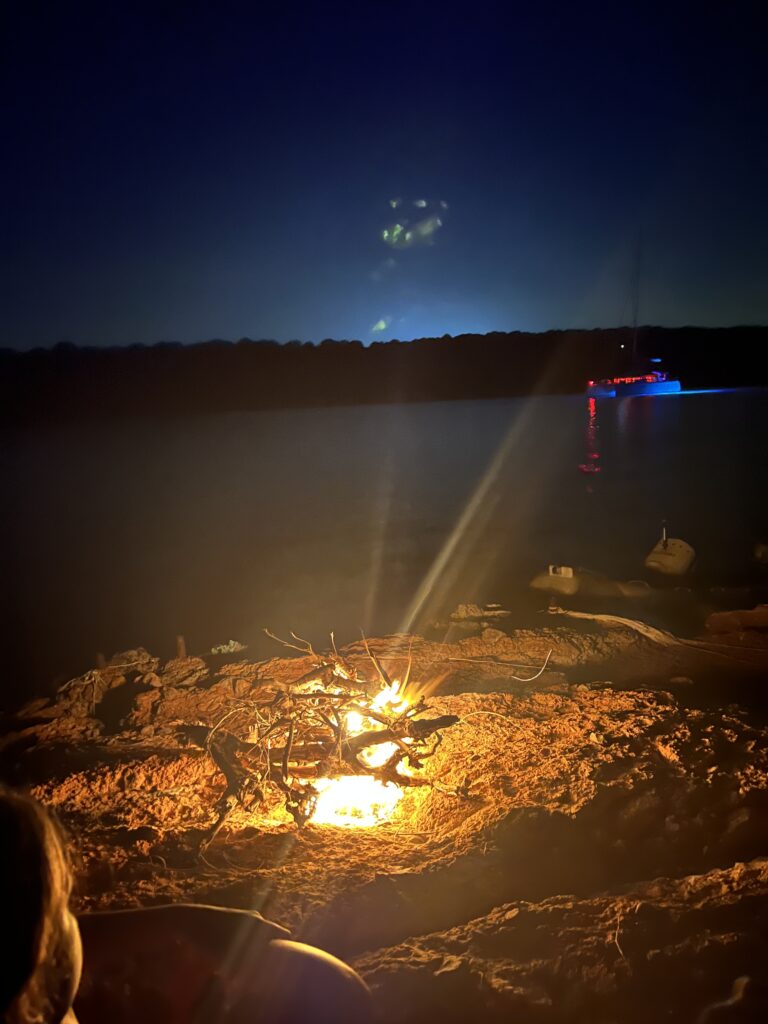
On the evenings after the best dives, we built a fire on the beach. Not always, but on the evenings when the anchorage had a beach with access and the conditions were calm and nobody had anywhere to be the next morning. The driftwood on Mediterranean beaches above the tideline is usually good for a fire: sun-dried and salt-cured, it lights quickly and burns with a specific character that ordinary firewood does not produce, a blue-white flame at the hottest point and a smell that is somewhere between the sea and smoke and something that has no name but that I associate completely with the specific combination of a dive in the afternoon and a beach fire in the evening and my parents on either side of me with their different ways of being in the world.
The Two Extremes
My father wants to know what is at the bottom of the next bay. My mother wants to sit comfortably in the current bay and appreciate that it is good. These are, on the surface, opposing orientations. In practice, they produce the finest possible sailing life, because the combination of the person who is always looking for the next thing and the person who is always finding the best in the current thing means that neither the adventure nor the contentment is ever missing.
The sea is like this too. It is not one thing. It is both things simultaneously: the calm surface that invites you in and the depth that surprises you when you get there. The flat water of a Mediterranean afternoon in May that promises comfort, and the swell that builds overnight when the forecast was not quite right. The wreck that is peaceful and covered in life and entirely beautiful, and the current at the pass that requires the full attention of the diver before anything beautiful can be seen. The sea holds both and offers both, and the life lived on it most fully is the life lived by someone who can receive both without being surprised by either.
My parents taught me this without teaching it: simply by being what they are, in the same place, across the same years, facing the same sea. The adventure and the calm. The planning and the receiving. The dinghy to the wreck and the fire on the beach after. Both necessary. Neither sufficient without the other.
I am grateful for both of them. Differently and specifically and completely.