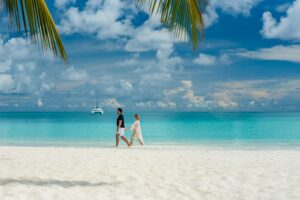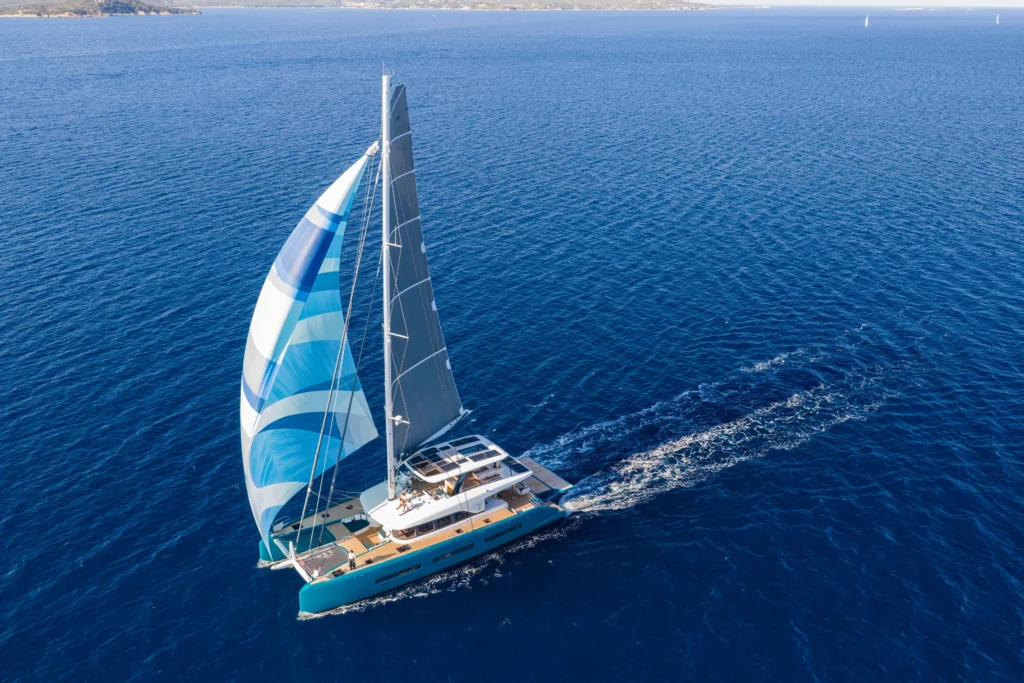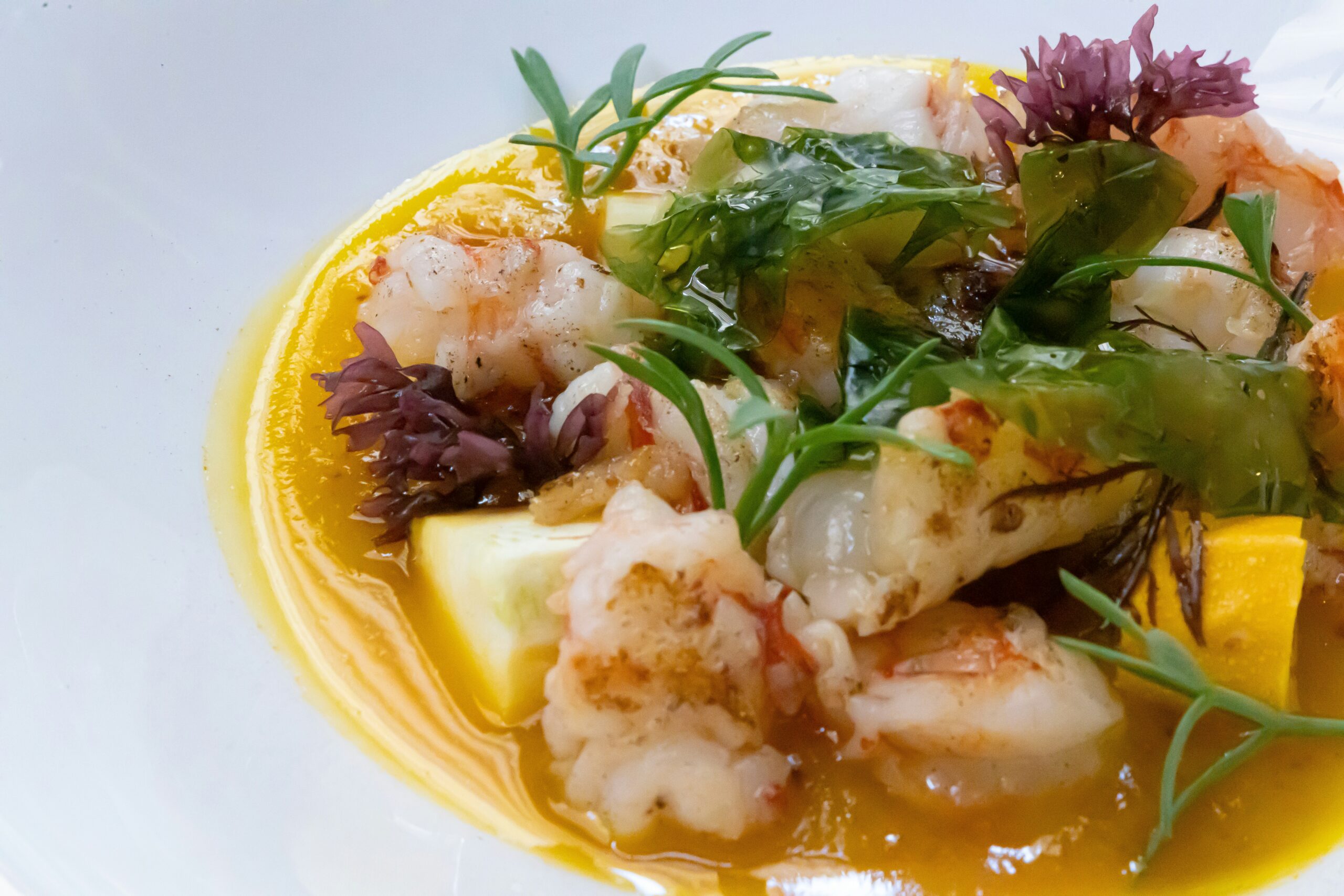
There is a specific freedom that comes from being a week from the nearest supermarket. Not the freedom of limitless choice, which is what most people associate with the word in a food context. The opposite: the freedom of constraint, which is what you get when the only ingredients available are the ones you brought, the ones you caught, the ones that grew in the place where you are anchored, and the ones that the people in the village on the motu were willing to part with in exchange for the coffee and the fishing line and the small things that a well-stocked offshore boat carries and that a Pacific island community sometimes needs.
I come from a sports nutrition background. I think about food in terms of what it does to the body: the protein that repairs, the carbohydrate that fuels, the micronutrients that maintain the systems that everything else depends on. The Pacific atoll diet, assembled from what is available rather than what is optimal by any specific nutritional plan, turned out to be almost perfectly aligned with what a body doing physical work in a warm climate actually needs.
This surprised me and then, on reflection, did not surprise me at all: the people who have been living on these atolls for centuries developed a diet that worked for exactly these conditions, and a diet that has sustained a culture for that long is worth paying attention to regardless of what the sports science literature says about macronutrient ratios.
What the Atoll Provides
The atolls are not rich agricultural environments. The soil is thin and composed primarily of coral sand, which limits what can be grown. What grows in this environment grows specifically: coconut, pandanus, breadfruit in the wetter atolls, and the specific root vegetables and greens that the Polynesian agricultural tradition has adapted for exactly these conditions over several centuries of careful cultivation.
The coconut is the first and most important. Not the coconut in the sense of the desiccated and processed version that arrives in a bag from a supermarket, but the fresh coconut at various stages of maturity: the young coconut for drinking water and the soft flesh that comes with it, the mature coconut for the fat-rich flesh that the chef uses for coconut cream preparations, and the dried copra for the oil that the traditional communities extract and that occasionally finds its way to the boat through the exchange relationships that develop when you stay long enough to be trusted with the trade.
The breadfruit, which arrives at the boat from village trees via the small outrigger canoes that serve as both transport and trading vessels, is an extraordinary food that the European culinary tradition has entirely overlooked. Starchy, filling, mild in flavour, it takes on the character of whatever preparation surrounds it: baked in its skin it becomes crispy-exterior and creamy-interior in a way that bears comparison to a good potato; fried with coconut oil and garlic it becomes something that has no European comparison; included in the fish stew that the chef makes from the trolling line catch and the coconut cream and the local greens, it becomes the carbohydrate element that makes the stew a complete meal rather than a protein preparation.
What Isolation Teaches About Food
This is what the Pacific table teaches. Not deprivation. Not the romance of eating simply for its own sake. The specific intelligence that constraint produces: the attention, the creativity, the respect for the ingredient that comes from knowing that there is no substitute available and that what is here deserves to be used well. I think about this when I am back in Belgium and the supermarket is full of options.