I came to Southeast Asia with the same assumptions that most Europeans bring, which is to say: I knew it was going to be good and I did not know how good. The assumption of goodness was accurate. The magnitude of the underestimation was embarrassing in retrospect. The food cultures of Thailand, Vietnam, Malaysia, and Indonesia are not regional variations on a theme.
They are complete and sophisticated cuisines with their own distinct logic, their own specific ingredient relationships, and their own quality standards that make the European understanding of what fresh produce means seem, by comparison, approximately two weeks stale.
The chef who cooks on Naora was changed by the Southeast Asia chapter in ways that were visible in the food for the rest of the route. The techniques he absorbed from markets and from the people who cooked at those markets, the specific way that Thai food uses fish sauce and palm sugar to create the sweet-sour-salty balance that has no equivalent in any European culinary tradition, the Indonesian approach to sambal and its function as a condiment that is also a sauce that is also a flavour principle: these things entered the boat’s cooking in ways that did not disappear when we left the region.
The Morning Market in Penang
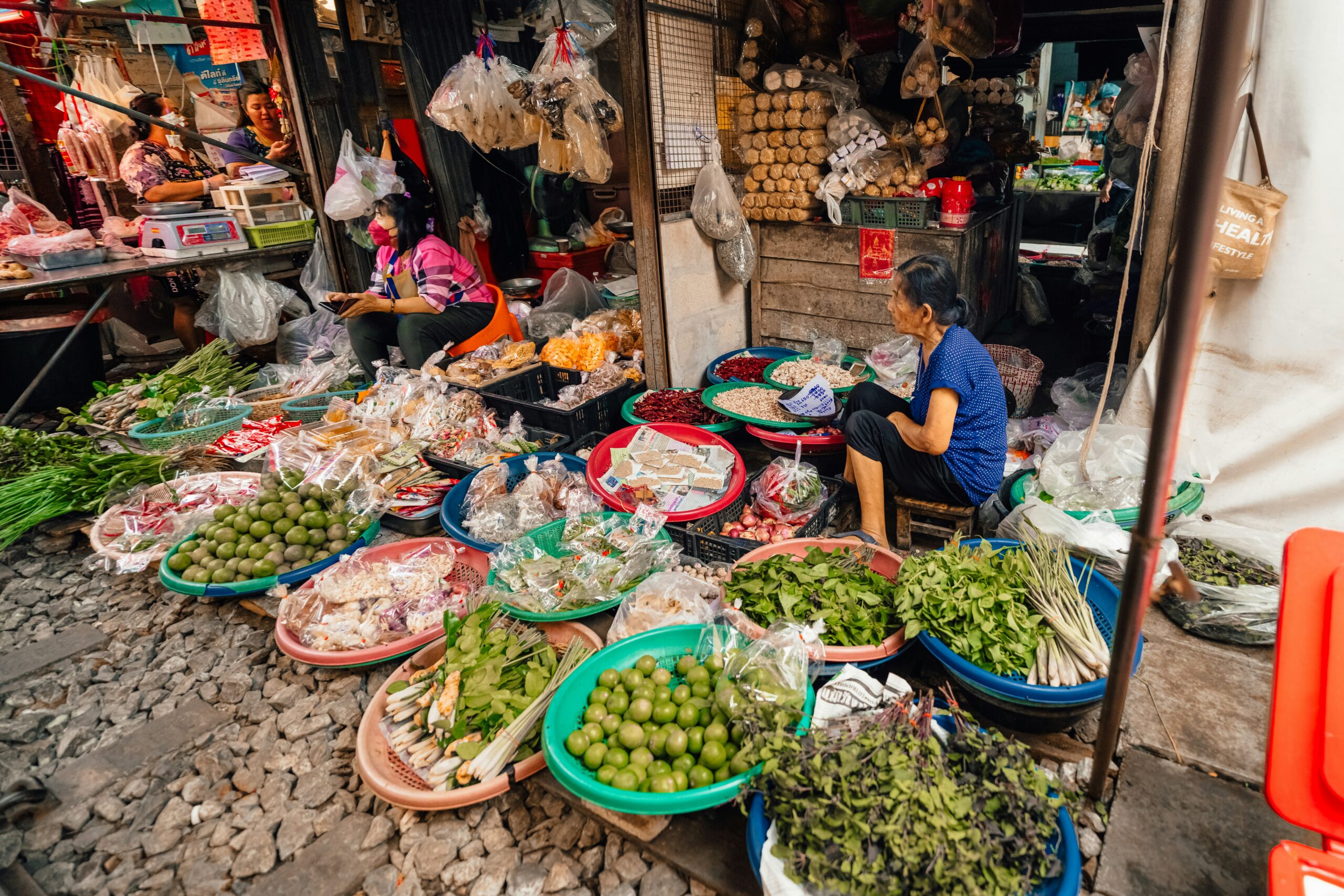
The chef and I went to the Chowrasta Market in George Town, Penang, at six in the morning on the first full day in port. This was the correct time, which is to say: forty-five minutes before the market reached its full intensity and an hour before the heat would begin to affect the experience of being inside it.
The market at six was the market of the people who were buying to cook that day: the hawker stall operators arriving with wheeled bags, the hotel cooks with their lists and their familiarity with the stall holders, and us, clearly not from here, clearly interested, which in George Town at six in the morning produces a specific warmth from the vendors that the later tourist hours do not.
The lemongrass was fresh and fragrant in a way that the dried and packaged versions bear no relationship to. The galangal was the size of my fist, which I had never seen, and smelled of a pepper and citrus combination that I could not name but that I understood immediately was going to be important in whatever it went into.
The kaffir lime leaves were sold in bunches that seemed impossible to consume for a single boat’s use until the chef explained that they freeze well and that the flavour does not degrade significantly, which meant we bought enough to last to the Indian Ocean and we did.
What He Made with It
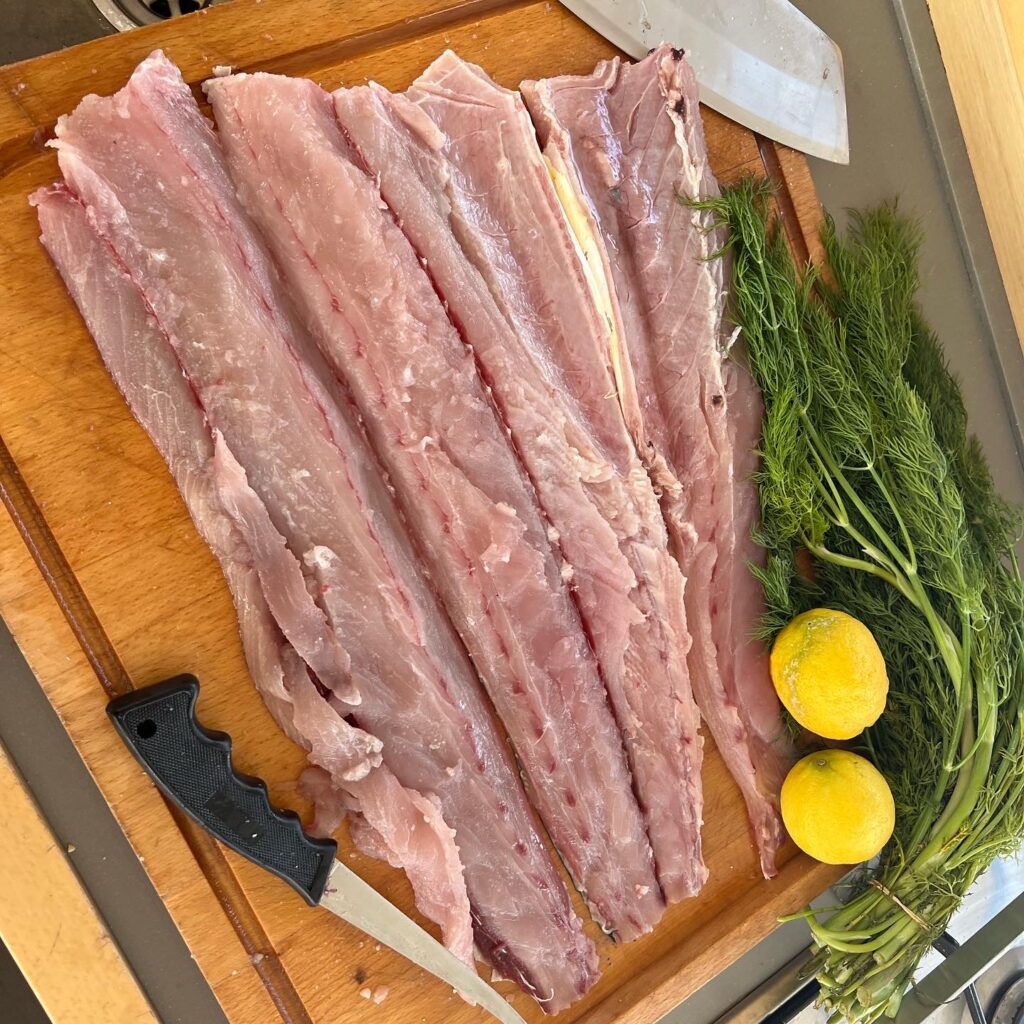
The fish curry he produced from the Penang market ingredients and the mahi-mahi we had caught on the passage south to the Strait of Malacca was, without qualification, one of the five best things I have eaten in my life. I say this as someone who has eaten well in restaurants across Europe and who has high standards for the category of things described as one of the five best I have eaten.
The curry was not a performance or an elaborate production. It was the correct use of the correct ingredients at the correct moment, which is the definition of good cooking and which the Southeast Asia leg produced with a regularity that I have not encountered anywhere else on the route.
The lemongrass from the Penang market was in it. The galangal, bruised rather than chopped to release the aromatic compounds without excessive bitterness. The kaffir lime leaves at the end, added off the heat to preserve the volatile oils. The fish sauce from the bottle we had bought at the same market, from a vendor who kept three different grades and recommended the middle one for a curry of this type, advice the chef took and applied correctly.
The mahi-mahi, caught two days before, at the specific temperature and texture of a fish that has been well-rested and well-handled: firm enough to hold in the sauce but yielding enough to have the eating quality that the dish required.
We ate it on the afterdeck with jasmine rice and a sambal the chef made separately because he had learned in Indonesia that the sambal is a separate element that each person uses in the proportion that their palate requires. I used more than most. The Strait of Malacca was visible through the anchorage entrance. The cargo ships were passing in the traffic separation scheme two miles away.
The evening was warm and the curry was perfect and I am describing it now because the accuracy of the memory is one of the arguments for what the Naora food at its best produces: not a general impression of having eaten well, but a specific, located, detailed memory of a particular meal in a particular place that stays intact years later.