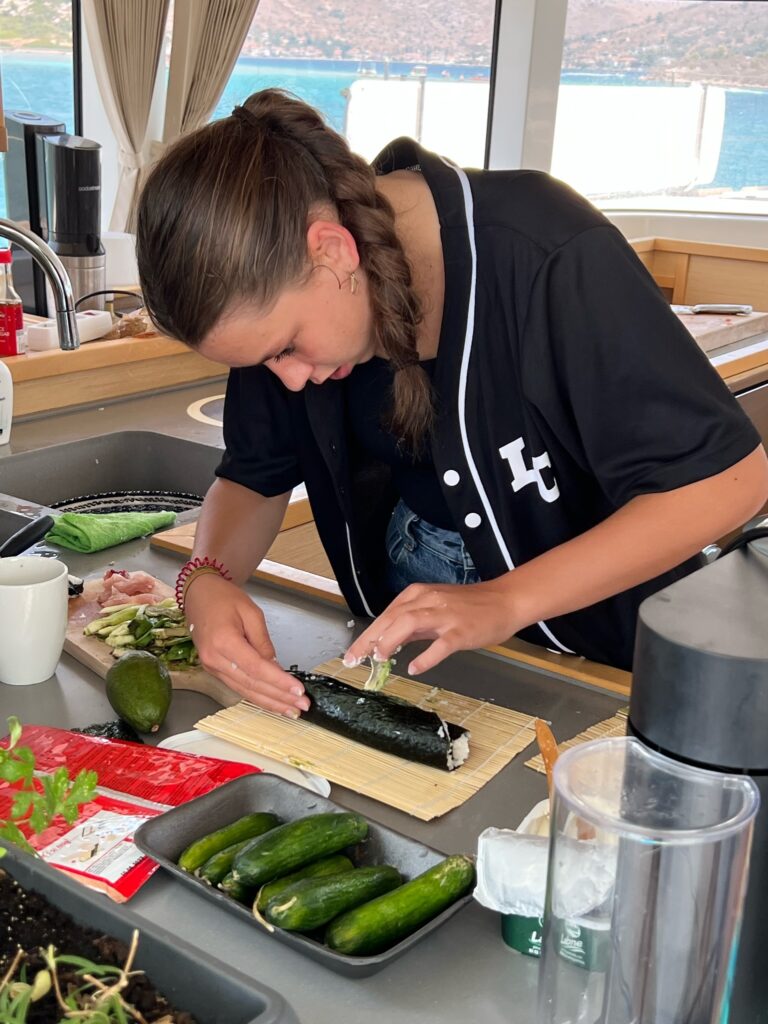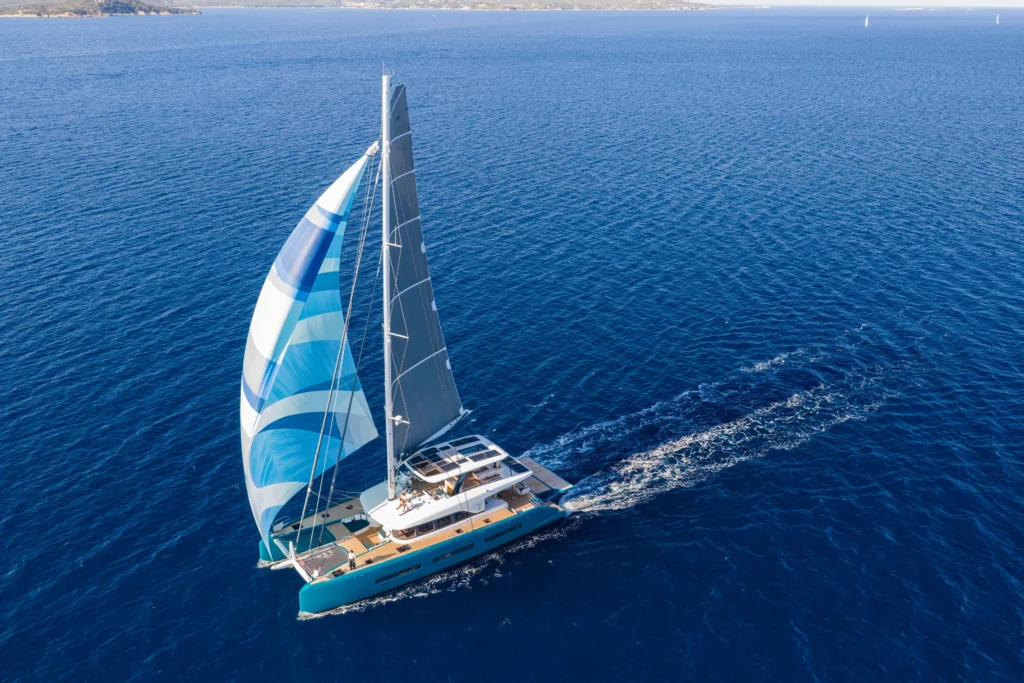
The sushi rice is always in the stores. This is a rule on the Eighty2 that I established and that my father has accepted in the way that he accepts most things that make practical sense: without ceremony and without much discussion. The rice, the nori, the wasabi, the soy sauce, the pickled ginger if we have it: these things travel with the boat across every ocean because when the right fish comes over the stern, the question of what to do with it is already answered.
The right fish, for sushi, is a yellowfin tuna of at least twenty kilograms, caught in blue water far from any coastal influence, bled immediately at landing, and rested in cold water for the thirty to forty minutes that allows the muscle tension to release before filleting. The size matters because smaller fish have a higher surface-area-to-volume ratio which accelerates oxidation and flavour degradation.
The blue water matters because the diet of the fish affects the flavour of the flesh, and an open-ocean yellowfin eating flying fish and squid produces a different flesh than a fish feeding near a reef or an estuary. The bleeding and resting matter for the same reason that they matter for any meat: the quality of the handling in the first hour after landing determines a significant part of the quality of the eating three hours later.
The Preparation
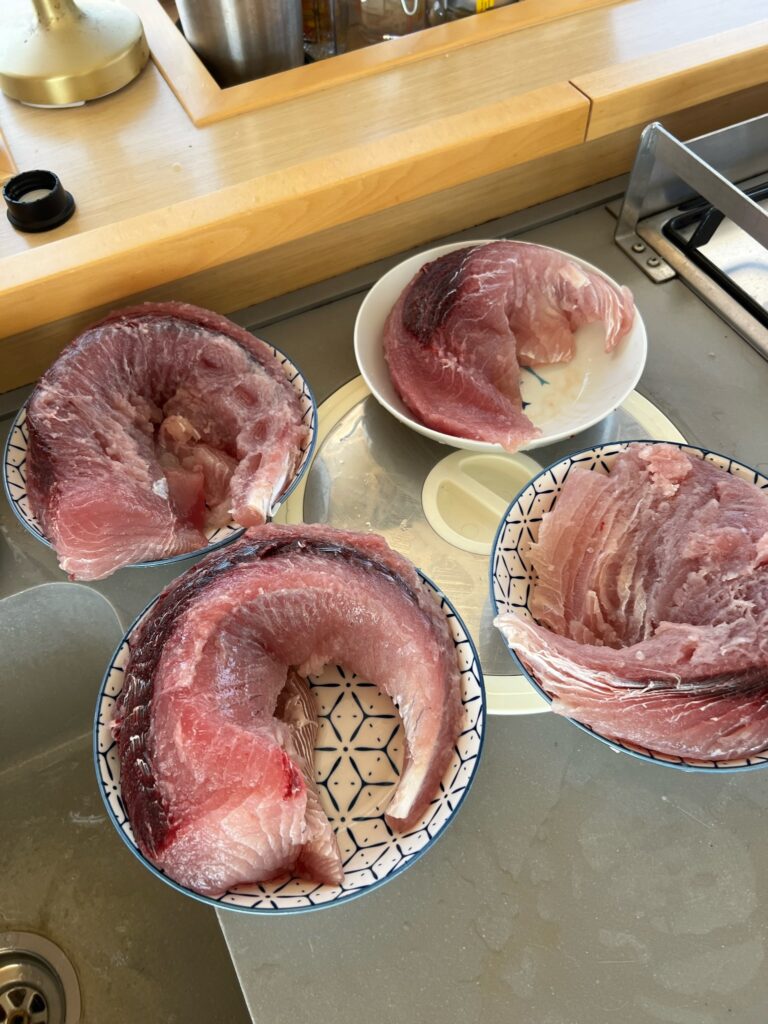
I fillet the tuna. My father taught me the technique across many fish and many seasons and I do it correctly now in the specific sense that the yield from a large yellowfin, filleted with the right knife in the right sequence, is close to what the fish can theoretically produce and significantly better than what most people manage the first several times they try.
The fillets come off the fish in a specific order determined by the bone structure: first the upper loin, then the lower loin, then the back loin. Each section has a slightly different texture and a slightly different colour, and the chef and I have a standing discussion about which section makes the best sashimi, which he maintains is the back loin and I maintain is the upper loin, a discussion that is currently unresolved.
The rice is prepared separately and simultaneously: sushi rice requires a specific ratio of vinegar and sugar and salt added while the rice is warm, and the timing of the rice preparation in relation to the fish preparation is something I coordinate by communication through the galley hatch, which is a specific logistical challenge on a boat where the galley and the afterdeck cutting board are separated by the width of the salon. We have developed a system. It works approximately nine times out of ten.
The Eating
Sushi made from a yellowfin tuna caught in the Pacific two hours before eating, prepared on the afterdeck of a boat at anchor or on a calm passage day, eaten with people who have been at sea together for long enough to sit in comfortable silence between the pieces: this is the meal that I think about most often when I think about what the food on Naora is at its best.
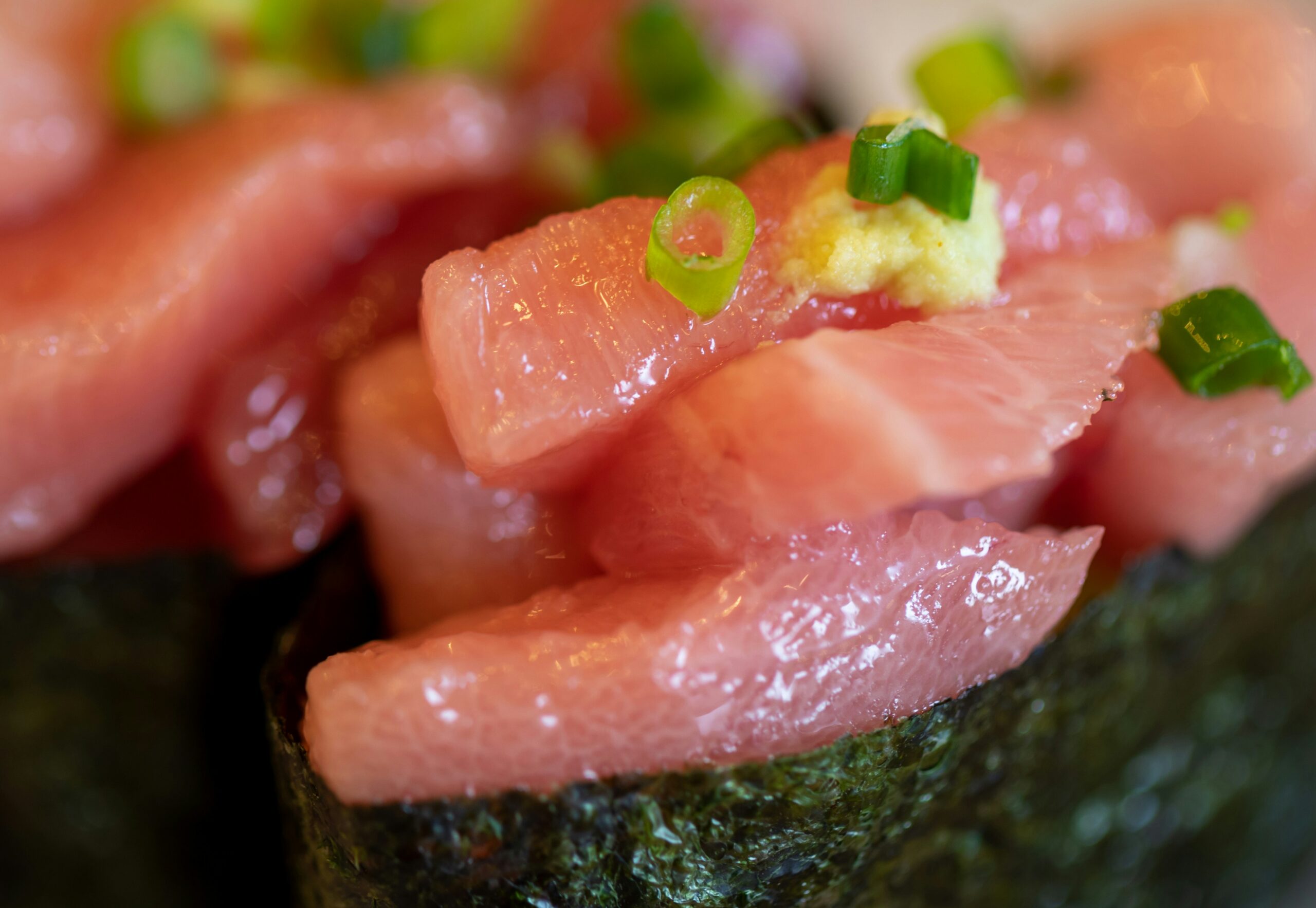
The fish is a colour that photographs do not capture: a deep red so saturated that it looks almost purple in certain light, the colour of oxygenated muscle that has not had time to oxidise. The texture is firm and specific in a way that sashimi from a restaurant, even a very good restaurant, is not, because the rest period and the handling and the absolute freshness produce a texture that refrigeration and transport compress and dull in ways that are not visible but are tasted. The flavour is clean and specific and oceanic without being fishy, which is the distinction that most people who think they do not like sashimi have not encountered in practice.
We eat it with chopsticks and with fingers, depending on the formality of the moment, which is low. We eat it quickly because sashimi waits for no one and the fish is best in the first twenty minutes of being sliced. We eat all of it, because the fish was alive in the ocean this morning and wasting it is a specific kind of disrespect that the Pacific does not deserve and that we do not offer it.